

This human face pillar was found at Karahan Tepe, with researchers interpreting it as a status symbol for a community or family. Could also have served as a ritual object. This discovery provides concrete evidence that T-pillars represented humans in prehistoric minds. Even non-anthropomorphic T-pillars may imply something with agency or thought.
Karahan Tepe Domestic Context and Significance
 TürkiyeExcavationNew Research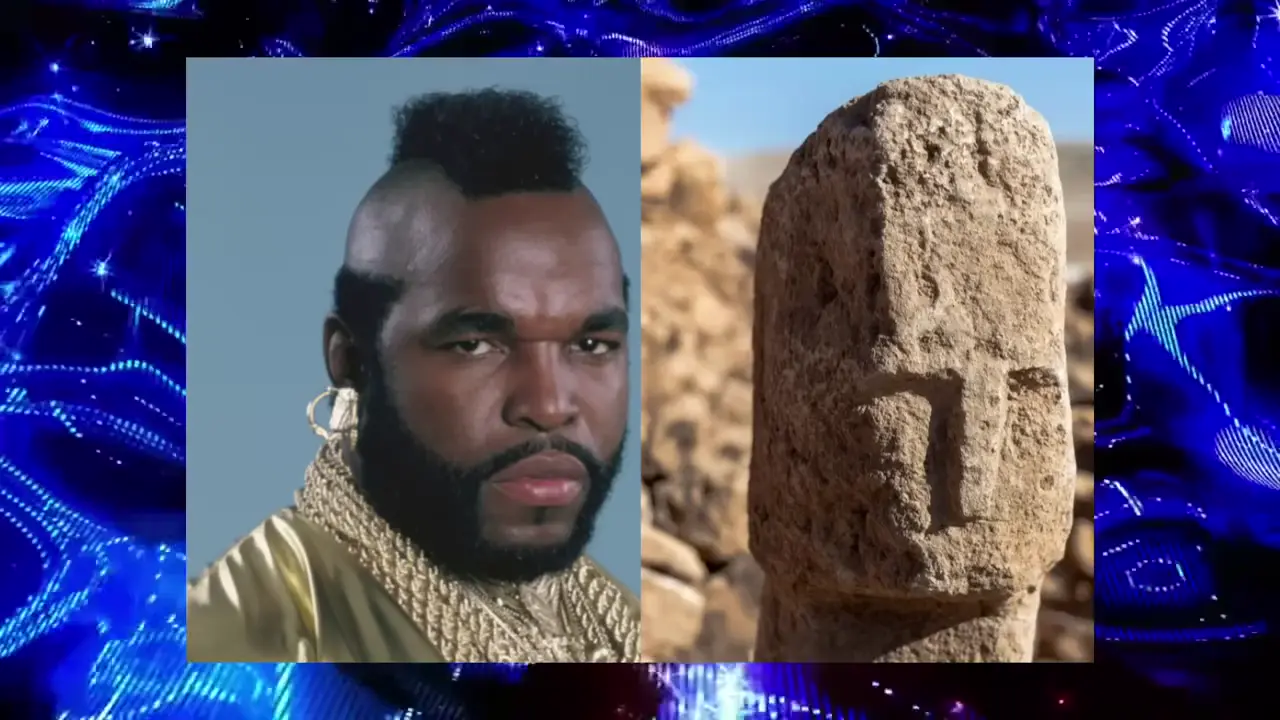
Site mentioned
Key facts
- The face pillar was found in a domestic enclosure at Karahan Tepe
- This suggests possible interpretation as status symbol for noble family
- Alternative theories include ward off illness or serve as ritual/curse object
- Discovery provides evidence that T-pillars represented humans in the minds of prehistoric people
- Even non-anthropomorphic T-pillars may imply something with agency or thought
Sources
turkiyetoday.com
Linked in video description
tastepeler.org
Linked in video description
tepetelegrams.wordpress.com
Linked in video description
Was this story useful?
Keep exploring
Every site on this page sits on the globe, and the people who research them are on the Discord.
3D Globe · Sites by country · Story Archive · Research Library · Weekly Journal · Search
AI-generated text · images from the original sources · always verify with the sources.