

The Intihuatana stone at Machu Picchu's summit is carved from a single bedrock piece tilted about 13 degrees—matching the site's latitude. On equinoxes, the sun passes nearly overhead and casts almost no shadow. This precision demonstrates astronomical knowledge predating the 80-year Inca occupation window. Researchers debate whether it served as an observatory or had primarily ceremonial purpose, but either way, the engineering is remarkable.
Intihuatana stone precisely aligned for equinox solar observations at Machu Picchu
 PeruArchaeoastronomy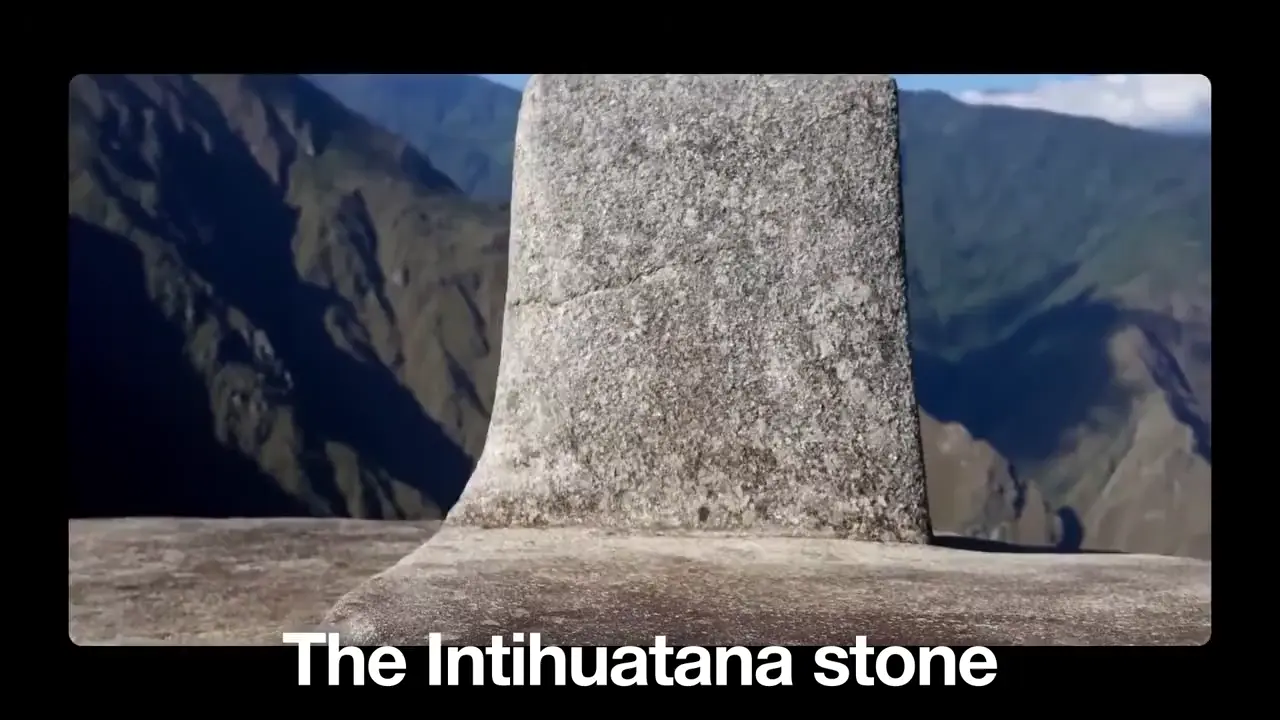
Key facts
- The Intihuatana stone is carved from a single piece of bedrock at the highest point of Machu Picchu
- The stone's top surface is tilted approximately 13 degrees, matching Machu Picchu's latitude of 13 degrees south
- On equinoxes, the sun passes nearly directly overhead and the stone casts almost no shadow
- This alignment required sophisticated understanding of solar movement and seasonal timing
- Some researchers interpret it as an astronomical observatory; others suggest primarily ceremonial or ritual meaning
- The precision demonstrates knowledge that predates the 80-year Inca occupation window
Site mentioned
Sources
adeptexpeditions.com
Linked in video description
Was this story useful?
Keep exploring
Every site on this page sits on the globe, and the people who research them are on the Discord.
3D Globe · Sites by country · Story Archive · Research Library · Weekly Journal · Search
AI-generated text · images from the original sources · always verify with the sources.