

The Plutonium at Hierapolis, Turkey, occupied a fault-zone fissure that releases CO₂. Strabo described sacrificial animals dying there; Pliny the Elder described birds falling dead. Readings of about 4–53.8% CO₂, highest low down at dawn, explain the danger, although the eunuchs’ survival method remains uncertain. CO₂ pools because it is dense, but it can still disperse.
Hierapolis Plutonium’s CO₂ fissure helps explain ancient “gate to hell” tales
 TürkiyeGeneral
Site mentioned
Key facts
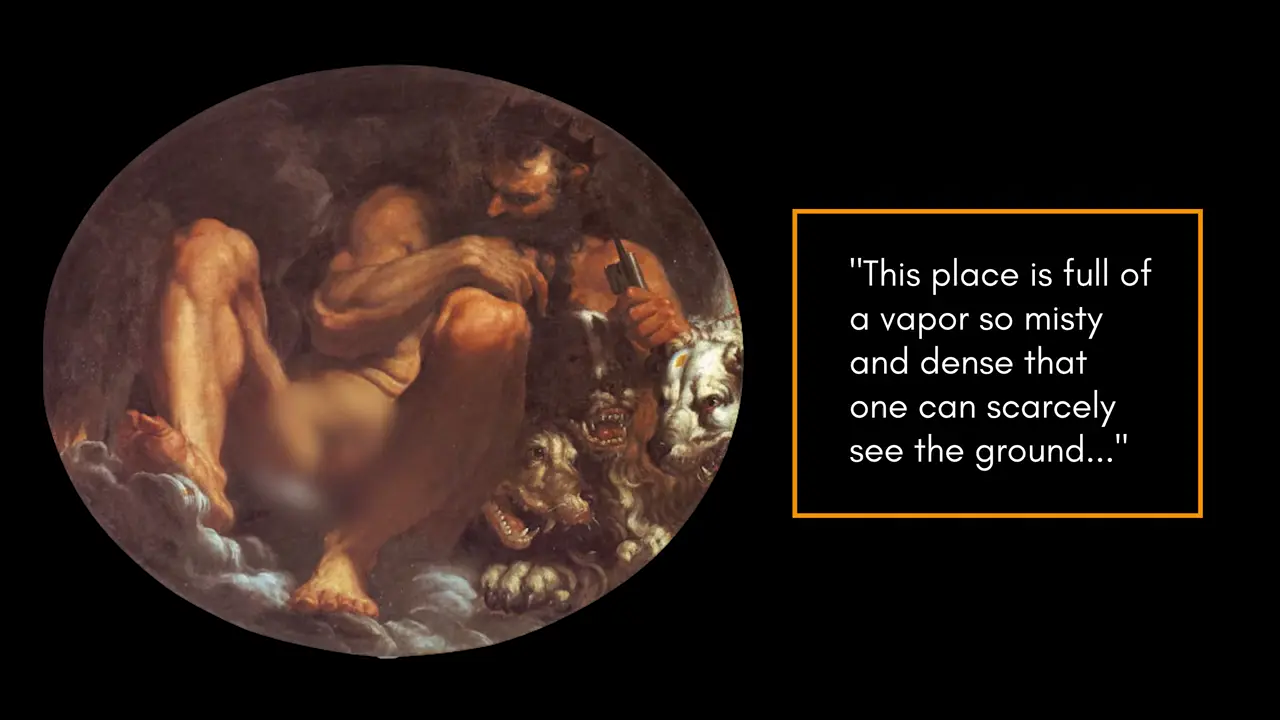
- The Plutonium at Hierapolis, Turkey, stood around a natural CO₂-bearing fissure associated with the local fault zone.
- Strabo reported that sacrificial animals died near the opening. The account of birds falling dead is attributed to Pliny the Elder, not Strabo.
- Strabo described temple eunuchs as accustomed to the vapour; he did not claim castration itself enabled them to survive it. Posture and brief-exposure explanations remain hypotheses, not established 2013 findings.
- Measurements of roughly 4–53.8% CO₂, highest near the floor and around dawn, make the lethal-animal accounts physically plausible.
- CO₂ is denser than air, but ventilation and turbulence can disperse it; saying it cannot disperse through the gate is false.
- The site reopened in 2022 after a long closure, not because research had definitively confirmed the ancient descriptions.
Sources
The Gate of the Underworld Reopens: Pluto's Gate ...popular-archaeology.com
The Temple of Apollo in the Hierapolisthattheworldmayknow.com
How a Roman 'Gate to Hell' Actually Workedblog.education.nationalgeographic.org
Was this story useful?
Keep exploring
Every site on this page sits on the globe, and the people who research them are on the Discord.
3D Globe · Sites by country · Story Archive · Research Library · Weekly Journal · Search
AI-generated text · images from the original sources · always verify with the sources.