

At Göbekli Tepe (9600-8200 BC), pillar carvings show vultures hovering over headless figures. This is the earliest known evidence of psychopomps—creatures guiding souls to the afterlife. The connection between headlessness, vultures, and death concepts appears over 11,000 years ago in southern Turkey.
Göbekli Tepe vulture carvings depict headless humans, oldest psychopomp evidence
 TürkiyeTheory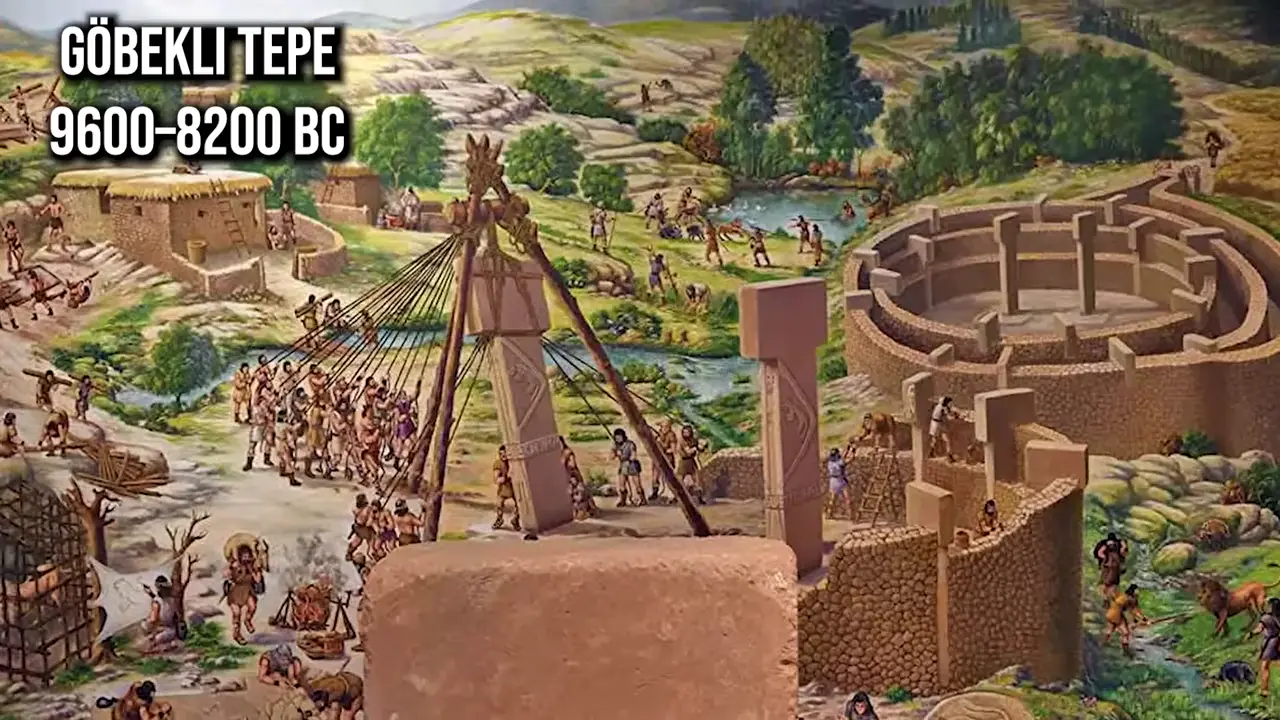
Site mentioned
Key facts
- Göbekli Tepe dates to 9600-8200 BC in southern Turkey
- Carvings show unmistakable vultures near headless human figures or isolated heads
- Pillar 43 in Building D depicts a headless human torso with a hovering bird
- One statue shows an intentionally decapitated human
- Another shows a figure holding a human head
- Archaeologists interpret these as early soul/consciousness beliefs tied to the head
- This is the earliest recorded evidence of vultures as psychopomps
Sources
Losing your head at Göbekli Tepedainst.blog
A total of 143 sculptures was found so far at Göbekli Tepe. Of those, 84 depict animals, 43 humans, 3 phalli and 5 are human-animal composite ...
Modified human crania from Göbekli Tepe provide evidence for a ...pmc.ncbi.nlm.nih.gov
Carved and drilled skull fragments from a circa 11,000-year-old ritual site point to an undocumented variation of skull cult.
Carvings in Ancient Temple of Göbekli Tepe Could Be Earth's Oldest ...sciencealert.com
A carving on a wall in the complex could be the earliest evidence of a calendar, used to track the passage of time and the turning of the seasons.
Göbekli Tepe - Wikipediaen.wikipedia.org
Many of these pillars are decorated with anthropomorphic details, clothing, and sculptural reliefs of wild animals, providing archaeologists insights into ...
Göbekli Tepe: The Mysterious Site Older Than Stonehenge | HISTORYhistory.com
Known as Göbekli Tepe, the megalithic settlement is perched on a mountain ridge in Upper Mesopotamia, what is now southeastern Turkey.
Was this story useful?
Keep exploring
Every site on this page sits on the globe, and the people who research them are on the Discord.
3D Globe · Sites by country · Story Archive · Research Library · Weekly Journal · Search
AI-generated text · images from the original sources · always verify with the sources.