

Archaeologists uncovered an extraordinary porthole stone at Göbekli Tepe featuring guardian beasts and two doorways—larger and more ornate than any previously found at the site or nearby Karahantepe. Likely serving as an entrance to a ceremonial space, it may be the most impressive porthole door in the archaeological record. Timestamp: 02:05-03:45
Göbekli Tepe Porthole Stones Reburied Despite 2010 Theft of Vulture Statue
 TürkiyeExcavation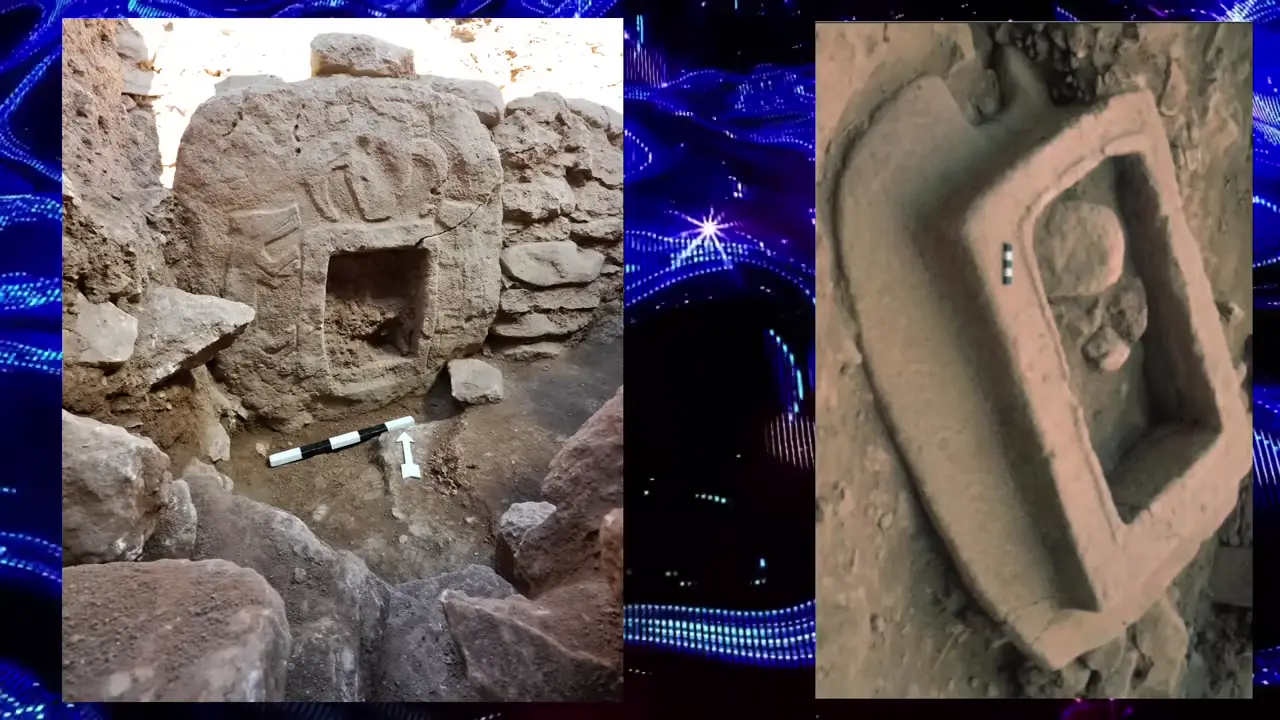
Site mentioned
Key facts
- A unique porthole stone found at Göbekli Tepe is flanked by guardian beasts and features two doors, making it larger and more ornate than other similar stones discovered at Göbekli Tepe and Karahantepe
- The stone likely served as the entrance to a ceremonial center and is considered the most impressive porthole door in the archaeological record
- Archaeologists wrapped the stone in plastic, sifted the burial dirt, and reburied it in situ at the discovery location
- In 2010, a statue of a human head with a vulture on top was stolen directly from the ground during excavation—not from a museum
- The theft is suspected to have been an inside job involving someone who worked at the site
- Klaus Schmidt was the archaeologist in charge of Göbekli Tepe when the 2010 theft occurred; the Turkish government fined him approximately $10,000
- Lee Clare is the current archaeologist in charge of Göbekli Tepe excavations
- Multiple porthole stones from Enclosure B have also been reburied in situ for approximately 15-16 years
- The reburying practice prevents scientists from conducting further tests or gathering new information from the artifacts
- The speaker argues artifacts in underground locations are more accessible to thieves than if stored in secure facilities
Sources
dainst.blog
Linked in video description
Was this story useful?
Keep exploring
Every site on this page sits on the globe, and the people who research them are on the Discord.
3D Globe · Sites by country · Story Archive · Research Library · Weekly Journal · Search
AI-generated text · images from the original sources · always verify with the sources.