

After olive trees planted in 2004 were removed, 2026 Göbekli Tepe excavations revealed late rectilinear structures (~8,000-8,500 BC), possibly used for ceremonies or dream incubation rather than habitation. Ground-penetrating radar from 2012-2014 hints at three large enclosures below. Enclosure C is reconstructed; tension grows between archaeologists and tourism interests.
Göbekli Tepe 2026 excavation uncovers late rectilinear structures
 Türkiyeunverified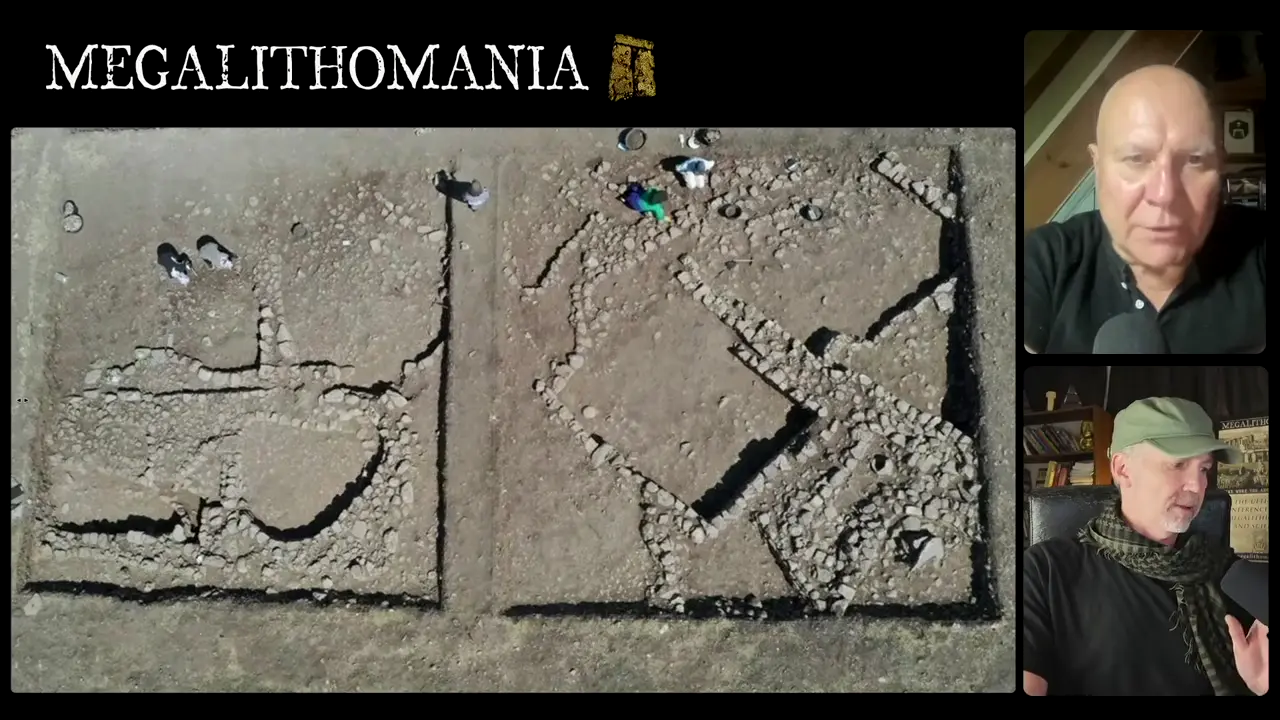
Site mentioned
Key facts
- Excavations at Göbekli Tepe began in 2026 after removal of olive trees planted in 2004 by landowners to increase land value
- Rectilinear, slightly curved structures found close to the surface in the northern area, believed to be late structures (~8,000-8,500 BC), about 1,000-1,500 years after the main enclosures
- Lion Pillars Building contemporary with the rectilinear structures (8,000-8,500 BC)
- These structures possibly served as temporary cells for ceremonies, dream incubation, rituals, and healing rather than permanent dwellings, since no water source exists on the mound
- Ground-penetrating radar scans from 2012-2014 suggest three large enclosures exist beneath the northern area, potentially dating to 9,600 BC or earlier
- Enclosure C reconstruction completed; Enclosure D reconstruction underway using original Klaus Schmidt fragments, raising concerns that reconstruction prevents deeper excavation of main enclosures
- Main enclosures being developed as showcase sites for tourism, with conflict between archaeologists and Ministry of Tourism and Culture
Was this story useful?
Keep exploring
Every site on this page sits on the globe, and the people who research them are on the Discord.
3D Globe · Sites by country · Story Archive · Research Library · Weekly Journal · Search
AI-generated text · images from the original sources · always verify with the sources.