

Around 10,000 BC, the last woolly mammoths vanished from mainland Europe. At almost the exact same moment, people in present-day Turkey were raising massive carved limestone pillars at Göbekli Tepe. No metal tools, no written language, just animal reliefs honoring the world around them. Wildly enough, the temple builders' grandparents could well have hunted mammoths.
Göbekli Tepe builders were only 2-3 generations removed from mammoth hunters
 TürkiyeGeneral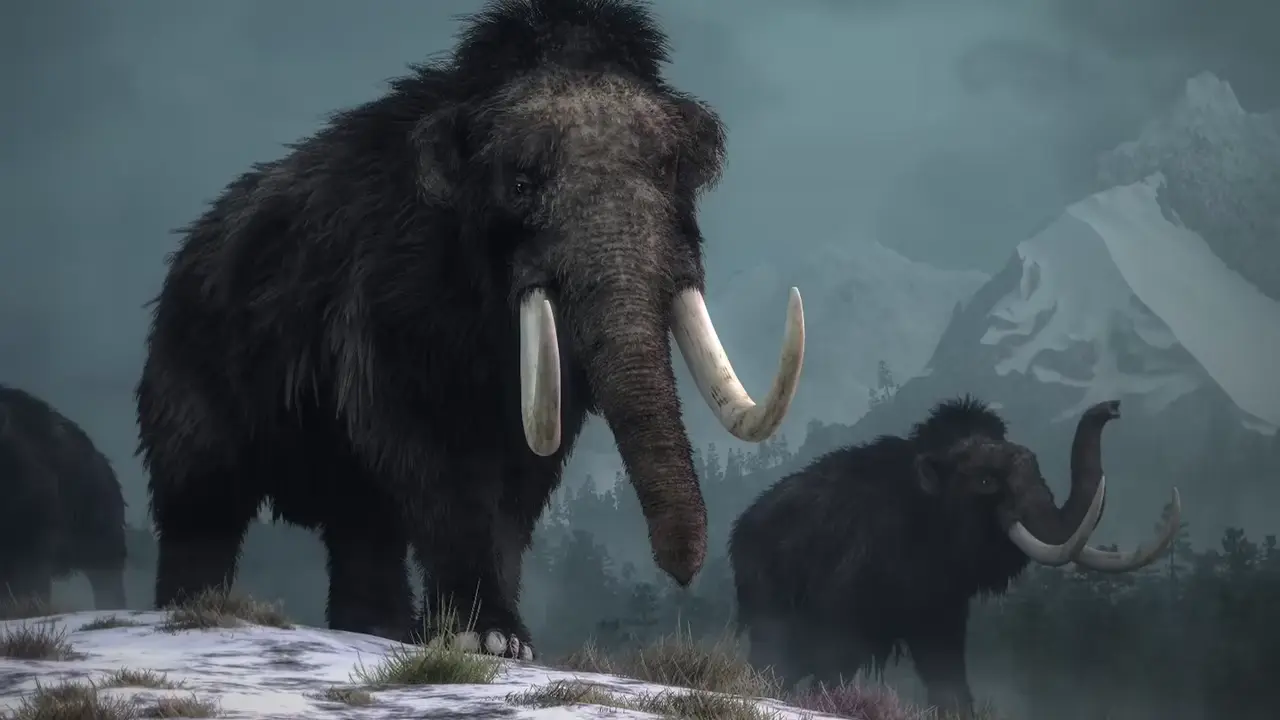
Site mentioned
Key facts
- Last woolly mammoths disappeared from mainland Europe around 10,000 BC
- Göbekli Tepe was under construction in present-day Turkey at the same time as the last mainland European mammoths disappeared
- Göbekli Tepe features massive carved limestone pillars raised in ceremonial circles
- Builders had no metal tools and no known written language
- People carving elaborate animal reliefs into stone had recent ancestors who hunted mammoths
- The distance between mammoth hunter and temple builder was only two or three generations
- The temple builders of Göbekli Tepe likely heard stories from their grandparents about woolly mammoths
- Local wildlife, likely including mammoths, played into the builders' reverence as seen in their animal reliefs
Sources
Göbekli Tepe – The first 20 Years of Researchdainst.blog
Göbekli Tepe before the start of excavations in 1995 (Photo O. Durgut, copyright DAI). Göbekli Tepe was for the first time recognized as an ...
How Göbekli Tepe is Reshaping Our Understanding of the Neolithicpopular-archaeology.com
The earliest of the structures that have been excavated thus far indicate that they were built between 9500 and 9000 BCE, based on radiocarbon ...
Göbekli Tepe - Wikipediaen.wikipedia.org
a Neolithic archaeological site in Upper Mesopotamia (al-Jazira) in modern-day Turkey. The settlement was inhabited from around 9500 BCE to at least 8000 BCE.
Göbekli Tepe: The Mysterious Site Older Than Stonehenge | HISTORYhistory.com
More than 11,000 years ago, hunter-gatherers built a monumental stone complex that is thought to be the world's first temple.
Gobekli Tepe | Location, History & Significance - Lesson - Study.comstudy.com
Göbeklil Tepe is known to have been occupied from around 11,000 BCE to 8,000 BCE. It was occupied by hunter-gatherer and semi-nomadic peoples.
Was this story useful?
Keep exploring
Every site on this page sits on the globe, and the people who research them are on the Discord.
3D Globe · Sites by country · Story Archive · Research Library · Weekly Journal · Search
AI-generated text · images from the original sources · always verify with the sources.