

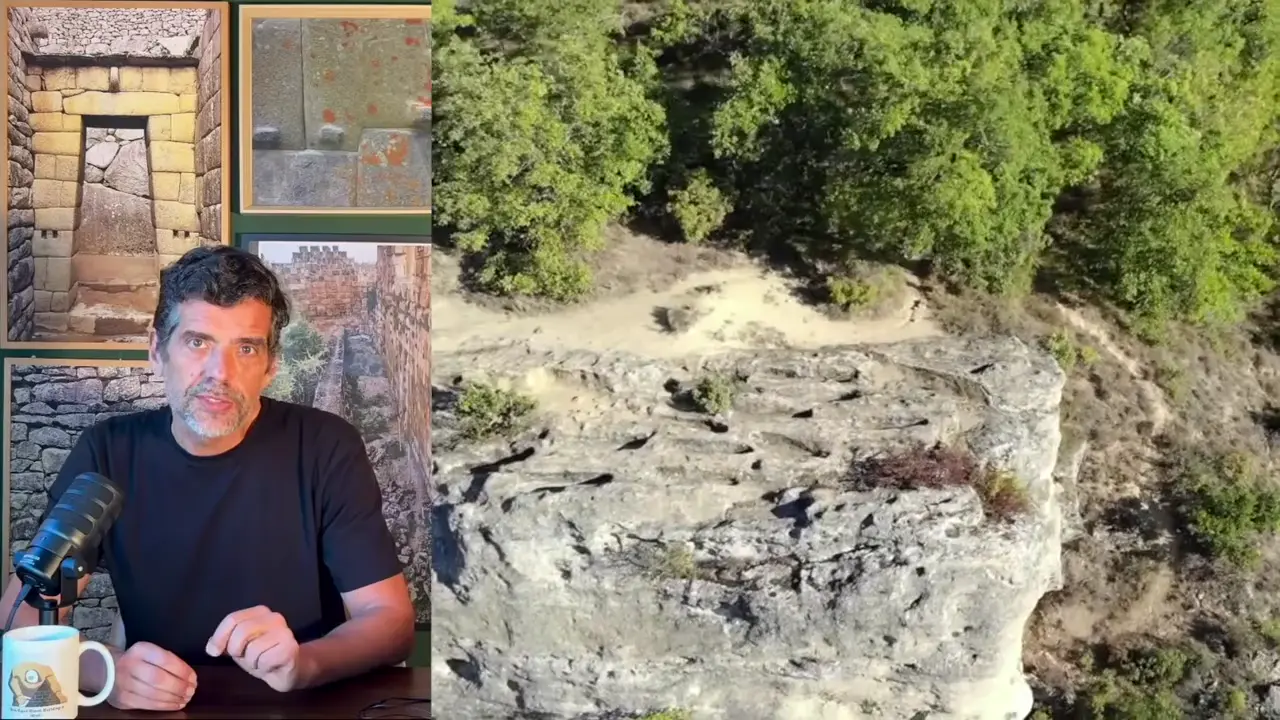
A fascinating theory: Bronze Age and Neolithic excarnation rituals involved temporary body exposure for flesh decomposition by insects. Rock-cut graves may have provided PROTECTED spaces for this process before bones went to ossuaries. Associated with cyclopean walls and dolmens across Europe 🏛️💀
Excarnation theory proposes rock-cut graves were for controlled pre-ossuary decomposition
Key facts
- Excarnation (reburial) was a Bronze Age and Neolithic death ritual popular in areas with cyclopean walls
- Practice involved dumping bodies temporarily for flesh decomposition by insects before bone collection
- Known ossuaries include Long Barrows (England), Tombas de Gigantes (Sardinia), Navetas (Menorca), Alpine pedestals, and hypogeums
- Rock-cut graves served as controlled decomposition locations protecting bones from aggressive insects
- Rock cuts used sometimes but not always depending on soil conditions
- Ossuary sites contain clean bones from this process
- Rock-cut graves are associated with cyclopean walls and dolmen sites across Europe
- Speaker proposes rock cuts reveal a lost continental European culture defined by excarnation ritual
- Later peoples reused these graves adding to dating confusion (palimpsest effect)
Sources
earth.google.com
Linked in video description
Was this story useful?
Keep exploring
Every site on this page sits on the globe, and the people who research them are on the Discord.
3D Globe · Sites by country · Story Archive · Research Library · Weekly Journal · Search
AI-generated text · images from the original sources · always verify with the sources.