

In 1951, Egyptian archaeologist Zakaria Goneim discovered and excavated the Unfinished Pyramid of Sekhemkhet (also known as the 'Buried Pyramid') at Saqqara. A sealed alabaster (travertine) sarcophagus was found in a rough unfinished chamber beneath the pyramid. When opened, it was empty despite being sealed with gypsum plaster and glue. The unique side-sliding door design and rough interior suggest it was meant for temporary use, not permanent burial. 🔺
Empty sealed sarcophagus found in Sekhmekhet's unfinished pyramid
 EgyptGeneral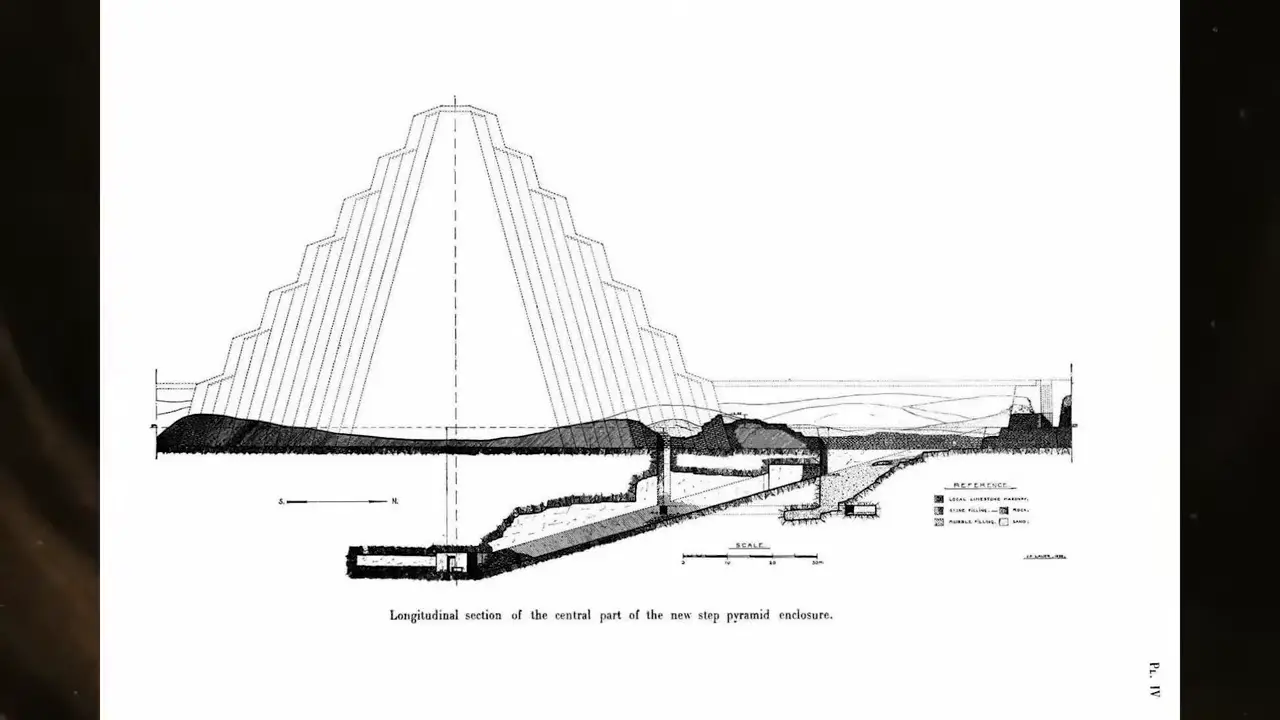
Key facts
- Pyramid of Sekhemkhet- Buried Pyramid discovered and excavated by Zachariah Gim in early 1950s
- Alabaster sarcophagus found sealed in rough unfinished chamber beneath the pyramid
- In 1954, the sarcophagus was opened for the first time - it was empty despite being sealed with gypsum plaster and glue
- Unique design: only Egyptian sarcophagus that opens from the side with a vertically sliding door
- Interior is rough with visible tubular drill cuts; exterior was polished and patched
- Rope holes were drilled for vertical lowering of the panel, with alabaster plugs to seal them after closure
- Dovetail-shaped patches were used to repair damaged corners
- Pyramid passage was bricked up twice with different masonry styles - left side squared evenly, right side uneven
- Scholars suggest sarcophagus was intended as temporary resting place, not permanent burial
- This may explain why early pyramid sarcophagi were plain and uninscribed compared to elaborate mastaba coffers
Sources
isida-project.ucoz.com
Linked in video description
lah.ru
Linked in video description
academia.edu
Linked in video description
Was this story useful?
Keep exploring
Every site on this page sits on the globe, and the people who research them are on the Discord.
3D Globe · Sites by country · Story Archive · Research Library · Weekly Journal · Search
AI-generated text · images from the original sources · always verify with the sources.