

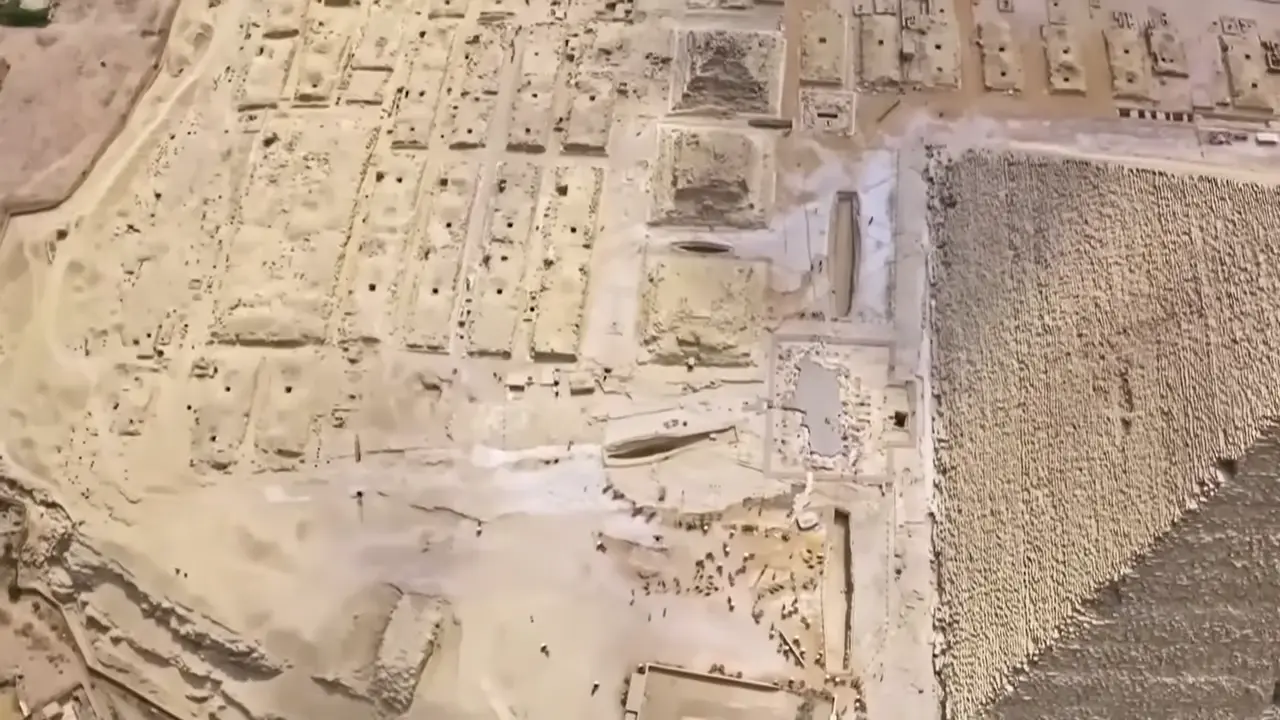
Kufu transformed royal burial practices at Giza (Pyramids). Khufu must have planned the Great Pyramid before arriving on the throne He spent his entire life watching pyramids rise and saw their effect on the populace At Giza (Pyramids), elites were buried close to the pyramids in mastabas, unlike at Maidum

Queen Hetepheres was buried in an unmarked deep shaft at Giza near Khufu's pyramid, discovered in 1925 by George Reisner with an empty sealed sarcophagus. Khufu had secretly reinterred his mother there, likely moving her from an earlier burial site. This may have influenced later hidden burial practices. 🏺

Key facts:

- Khufu likely planned the Great Pyramid before arriving on the throne

- At Giza, elites were buried close to the pyramids in mastabas, unlike at Maidum

- The Great Pyramid was designed with long-term accessibility as a consideration

- Khufu's mother Hetepheres was buried in an unmarked deep shaft at Giza, discovered in 1925

Key Facts

  • Khufu must have planned the Great Pyramid before arriving on the throne
  • He spent his entire life watching pyramids rise and saw their effect on the populace
  • At Giza (Pyramids), elites were buried close to the pyramids in mastabas, unlike at Maidum
  • The Great Pyramid was designed with long-term accessibility as a consideration
  • Khufu's mother Hetepheres was buried in an unmarked deep shaft at Giza (Pyramids), discovered in 1925
  • Her sealed sarcophagus was entirely empty - the mummy had been stolen
  • The model of tomb security changed drastically with the Giza (Pyramids) necropolis
  • Greek historian Diodorus Siculus wrote that kings were buried secretly in unmarked places

Related site: Giza (Pyramids) — view location, images, and history on the Ancient Nerds map.