

El Manatí in Veracruz preserves the earliest known Olmec evidence, dating to about 1600 BCE. This sacrificial bog contained wooden sculptures, rubber balls, ceremonial axes, copal incense, and infant bones—all preserved in excellent condition and showing Olmec trade spanned Mesoamerica.
El Manatí Sacrificial Bog: Earliest Olmec Evidence Dating to 1600 BCE
 MexicoGeneral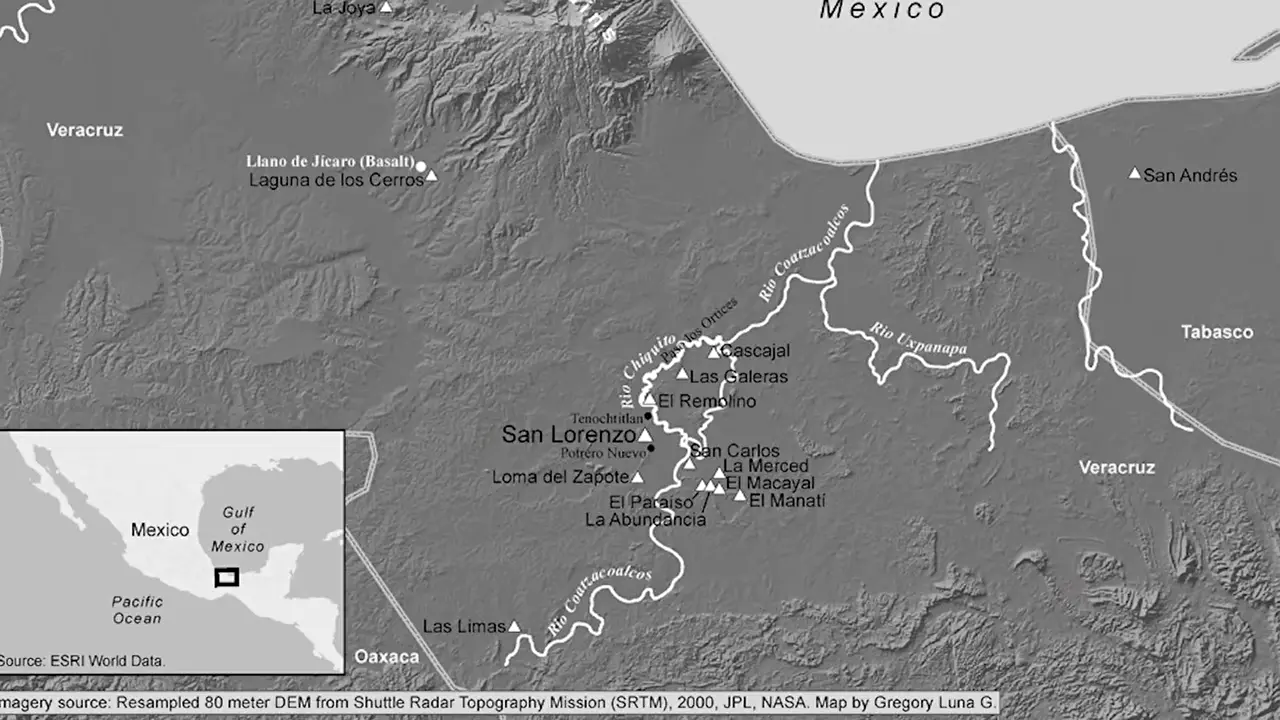
Site mentioned
Key facts
- First evidence of Olmec culture found at El Manatí sacrificial bog dating to about 1600 BCE
- Ritual offerings included rubber balls, ceremonial axes, copal incense, infant bones (indicating human sacrifice)
- Remarkable wooden sculptures preserved in excellent condition in the muck
- El Manatí was used for ritual ceremonies and prestige goods trade included jade (from Motagua River Valley in Guatemala, 300-500 km away)
- Obsidian sourced from Guatemala highlands and Puebla (125-250 km away)
- Olmec trade connections spanned virtually all of Mesoamerica
Was this story useful?
Keep exploring
Every site on this page sits on the globe, and the people who research them are on the Discord.
3D Globe · Sites by country · Story Archive · Research Library · Weekly Journal · Search
AI-generated text · images from the original sources · always verify with the sources.