

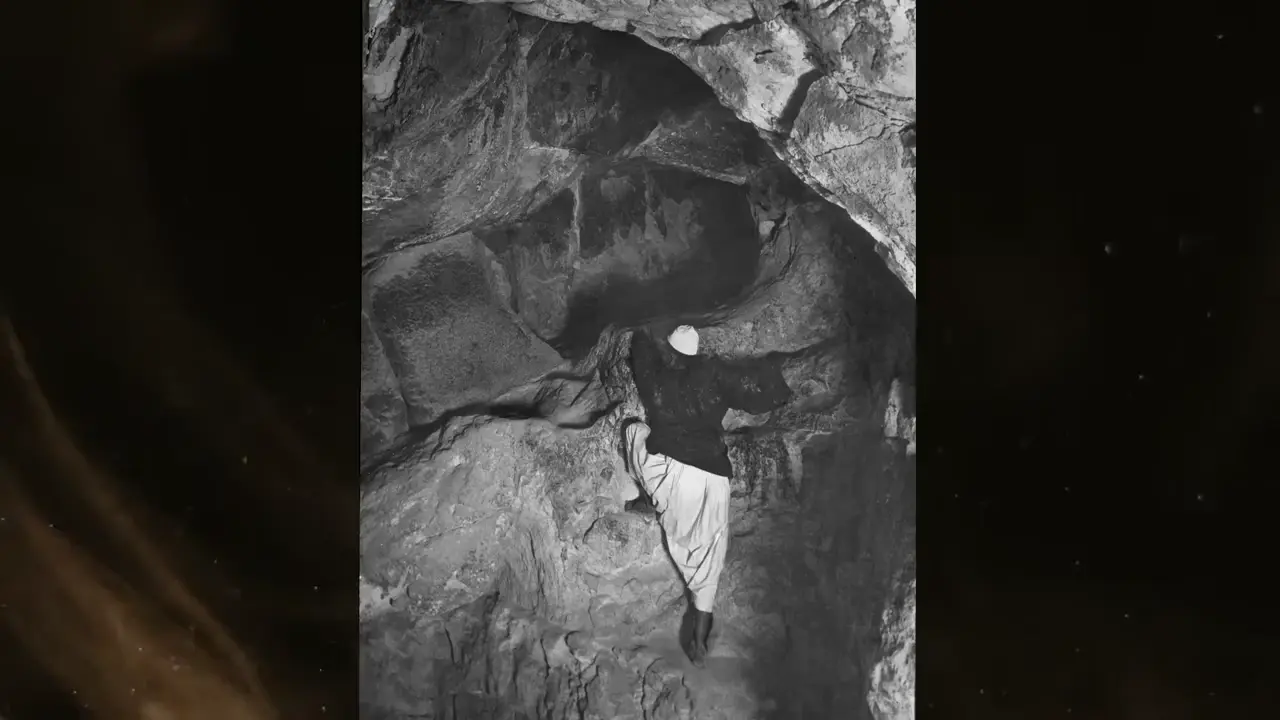
Egyptian tomb security evolved through arms race. Early dynastic tombs used portcullises made of harder stone than surrounding bedrock as security barrier Mastabas had increasingly large portcullises weighing up to 42,000 lb, sometimes with up to six slabs The Bent Pyramid of Snefru was the earliest pyramid to contain a portcullis

Egyptian tomb security evolved as an arms race against robbers. Early dynastic tombs used harder stone for portcullises; mastabas grew to have six slabs weighing up to 42,000 lb. The Bent Pyramid introduced an oblique sliding design. Corridors stayed narrow (~1 sq meter) to limit levering attacks.

Key facts claimed:

- Early dynastic tombs used portcullises made of harder stone than surrounding bedrock as security barrier

- Mastabas had increasingly large portcullises weighing up to 42,000 lb, sometimes with up to six slabs

- The Bent Pyramid of Snefru was the earliest pyramid to contain a portcullis

- The Bent Pyramid's portcullis slides at an oblique angle, penetrating below floor level to neutralize levering attacks

- Egyptologist Reg Clark was first to comprehensively examine tomb security evolution

Key Facts

  • Early dynastic tombs used portcullises made of harder stone than surrounding bedrock as security barrier
  • Mastabas had increasingly large portcullises weighing up to 42,000 lb, sometimes with up to six slabs
  • The Bent Pyramid of Snefru was the earliest pyramid to contain a portcullis
  • The Bent Pyramid's portcullis slides at an oblique angle, penetrating below floor level to neutralize levering attacks
  • Egyptologist Re Clark was first to comprehensively examine tomb security evolution
  • Levering attacks were the most serious threat - the only method allowing single-night tomb penetration
  • Pyramid corridors were kept small (about 1 square meter) to limit levering effectiveness
  • Khufu built the largest pyramid following these security innovations

Related site: Great Pyramid of Giza — view location, images, and history on the Ancient Nerds map.