

Ancient Egyptian stone vases match modern precision. 3D scanning reveals thousandths-of-inch accuracy in granite/diorite. UCL Petrie Museum research at Saqqara.
Egyptian stone vases show 12,000-year-old precision technology
 EgyptTechnology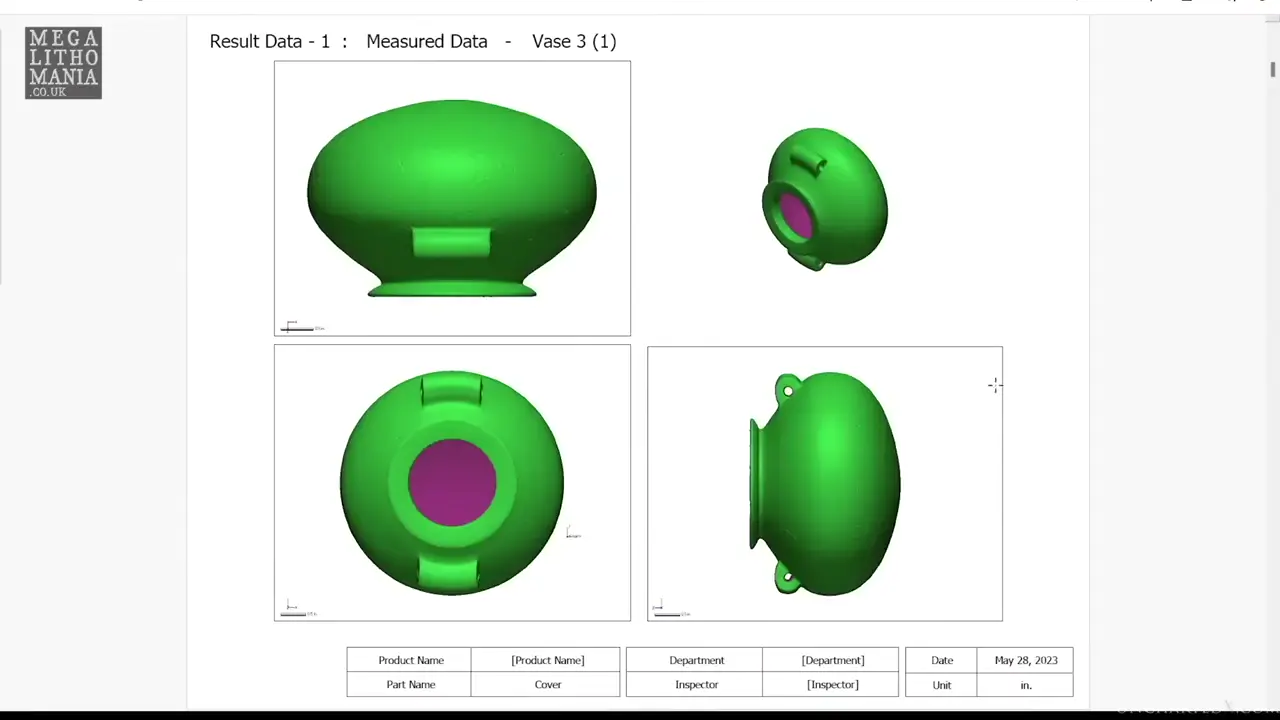
Key facts
- Egyptian stone vases date from 12,000-14,000 years ago (Naqada cultures) to the start of dynastic civilization around 3,000 BC
- Tens of thousands of these vases exist in museums worldwide in pre-dynastic sections
- Some vases found beneath the Step Pyramid of Djoser at Saqqara
- 3D structured light scanning and CT X-ray scanning reveal precision to single digit thousandths of an inch in concentricity and roundness
- Vases made from granite, diorite and other extremely hard stones
- Project involves collaboration with Egyptian university and the Petrie Museum at UCL
- The scanning project is expanding the dataset to analyze geometric consistency across more vases
Site mentioned
Sources
Introducing Precision Metrology in the Study of Ancient Egyptian ...arcsci.org
This analysis of high-resolution 3D scans of 32 stone vessels from the Petrie Museum reveals three major patterns in manufacturing technique and geometric ...
3D Scans of the Naqada Period Stone Vessels from the Petrie ...maximus.energy
I hereby publish nineteen 3D scans of Naqada period (predynastic) Ancient Egyptian stone vessels that I captured during my research visit to ...
Egyptian stone vases: high-precision or complete delusion ...veronicasart.com
This article focuses on Ben van Kerkwyk (UnchartedX) claims about super-precision in ancient Egyptian stone vases. Recent research proves ...
Claim: Ancient Egyptians Could Not Work Granite Without High ...metabunk.org
The claim is that granite can only be worked with something much harder, like diamond and since many of these vases are made of granite, they could NOT have ...
Was this story useful?
Keep exploring
Every site on this page sits on the globe, and the people who research them are on the Discord.
3D Globe · Sites by country · Story Archive · Research Library · Weekly Journal · Search
AI-generated text · images from the original sources · always verify with the sources.