

In the late 1970s, chemist Joseph Davidovits examined casing stones from the Great Pyramid & found telltale signs of man-made concrete: trapped air bubbles, organic fibers, & other anomalies. Natural limestone formed over millions of years wouldn't show these features. Could ancient builders have cast blocks like concrete?
Davidovits Proposes Geopolymer Pyramid Theory
 EgyptTheory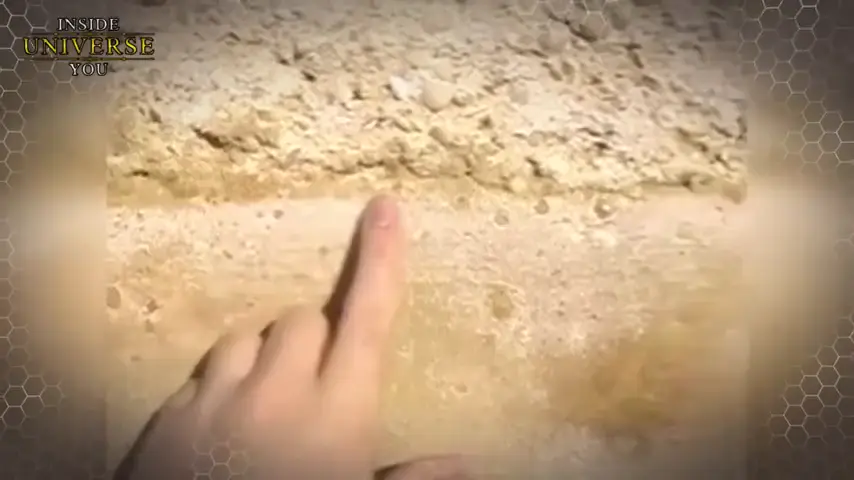
Site mentioned
Key facts
- Joseph Davidovits was a chemist specializing in synthetic mineral materials and industrial binders
- In the 1970s, he noticed pyramid stones behaved differently from natural limestone under chemical testing
- He examined a casing stone from the Great Pyramid (the Lauer sample) under a microscope
- He observed telltale signs of artificial composition: trapped air bubbles, organic fibers, and bits of animal bone and teeth
- These features are characteristic of man-made concrete, not natural limestone formed over millions of years
- The theory proposes blocks were cast in place using three-sided wooden molds connected to finished blocks
Sources
In Search of Concrete Evidence - C&EN - American Chemical Societycen.acs.org
He said the French geochemist Joseph Davidovits had postulated decades ago that the pyramids had not, as Egyptologists thought, been made of ...
(PDF) THE GREAT PYRAMID DEBATE Evidence from Detailed ...academia.edu
Detailed petrographic examinations reveal no evidence of a reconstituted limestone in the casing stones. Casing stones show no signs of alkali-aluminosilicate ...
Gathering 'concrete' evidence | MIT Newsnews.mit.edu
An MIT class is testing a controversial theory that some of the giant blocks that make up the great pyramids of Giza may have been cast in place from concrete.
Joseph Davidovits - Wikipediaen.wikipedia.org
He posited that the blocks of the Great Pyramid are not carved stone but mostly a form of limestone concrete or man-made stone. Contents. 1 Limestone ...
Paleomagnetism study supports Pyramid man-made stonedavidovits.info
Paleomagnetism study on several pyramid stones demonstrates the validity of Davidovits' theory on the artificial nature of Egyptian pyramid stones.
Was this story useful?
Keep exploring
Every site on this page sits on the globe, and the people who research them are on the Discord.
3D Globe · Sites by country · Story Archive · Research Library · Weekly Journal · Search
AI-generated text · images from the original sources · always verify with the sources.