

Cyclopean walls were primarily defensive fortifications built with massive limestone boulders fitted together with minimal clearance. However, polygonal masonry techniques were also employed in earthworks to level terrain for terraces, acropolises, and even artificial islands. Orbetello city sits on an artificial island created with large fitted polygonal stones. Pyrgi (Italy) features impressive polygonal masonry. Alatri features precise astronomical alignments.
Cyclopean walls as earthworks and terracing
 ItalyArchitecture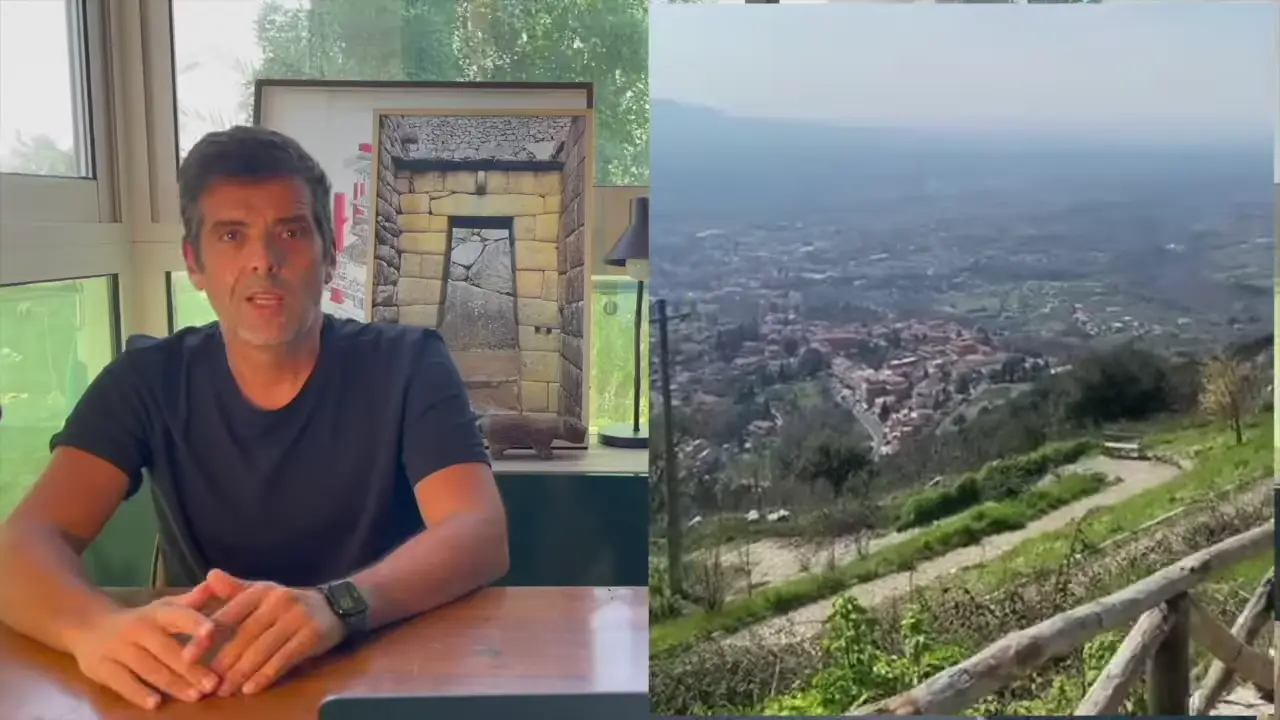
Site mentioned
Key facts
- Primary purpose of polygonal masonry was earthworks - leveling terrain to create terraces, acropolises, or islands
- Orbetello city sits on artificial island created with large fitted polygonal stones to prevent sinking into lagoon
- Pyrgi (Italy) has most impressive polygonal masonry in Italy - both in size and fitting
- Strabo attributed Pyrgi (Italy) seaport to Pelasgians - considered 'first men' and great builders like cyclopes
- Alatri features precise astronomical alignments - likely served as astronomical clock to measure years and millennia
- Alatri reportedly founded by Chronos, Greek god of time
Sources
Cyclopean Walls | Mycenae Greeecee-mycenae.org
These are giant walls with which Mycenaeans fortify their citadels. Because the boulders used for their construction have huge dimensions.
Cyclopean masonry - Wikipediaen.wikipedia.org
Cyclopean masonry is a type of stonework found in Mycenaean architecture, built with massive limestone boulders, roughly fitted together with minimal clearance
Etruscan Walls of Orbetellobrunelleschi.imss.fi.it
The walls are one of the best preserved examples of a polygonal construction, an ancient architectural technique that contemplated the use of large blocks of ...
Cyclopean Walls of Mycenae: Ancient Engineering Marveluniquegreektours.com
The Cyclopean Walls demonstrate sophisticated understanding of defensive architecture and structural engineering. The builders incorporated ...
Cyclopean masonry | Ancient, Stone, Architecture - Britannicabritannica.com
Cyclopean masonry, wall constructed without mortar, using enormous blocks of stone. This technique was employed in fortifications.
Was this story useful?
Keep exploring
Every site on this page sits on the globe, and the people who research them are on the Discord.
3D Globe · Sites by country · Story Archive · Research Library · Weekly Journal · Search
AI-generated text · images from the original sources · always verify with the sources.