

Around 1200-1177 BC, the Late Bronze Age collapse devastated Mediterranean civilizations, triggering Greek Dark Ages. While trade networks collapsed and literacy dropped across the region, the Nuraghic culture in Sardinia notably persisted until Roman conquest. The collapse involved multiple factors including climate disruption, drought, and migrations. Key facts: The Bronze Age Collapse was followed by the Greek Dark Ages. Cyclopean walls largely disappeared after the collapse. The Nuraghic culture in Sardinia persisted until Roman arrival.
Bronze Age Collapse led to cultural disappearance
Key facts
- Around 1500-1000 BC, new populations invaded and replaced cyclopean builders across Europe
- The Bronze Age Collapse was followed by the Greek Dark Ages
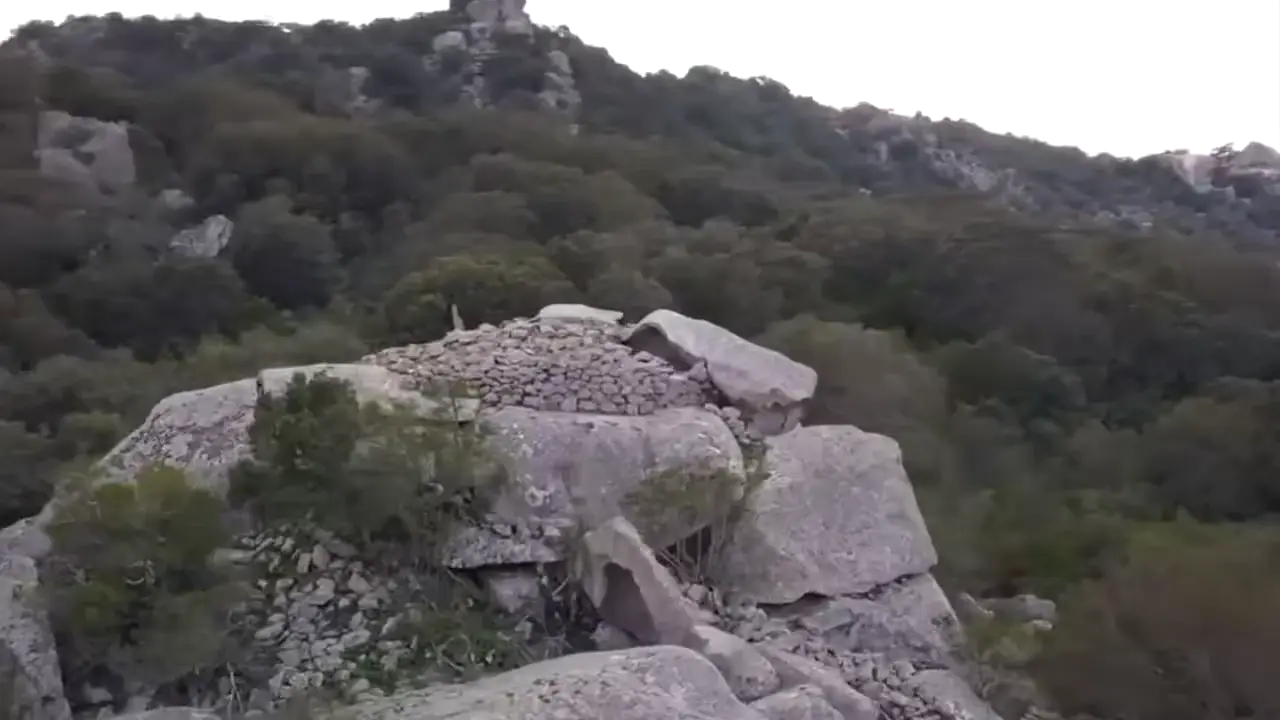
- Cyclopean walls disappeared everywhere except Sardinia (preserved by malaria)
- The Nuraghic culture in Sardinia persisted until Roman arrival
- Invaders found excarnation practices disgusting and suppressed them
- Suppression of the ritual may explain why the cyclopean people vanished completely
Sources
Late Bronze Age collapse | Anthropology | Research Starters - EBSCOebsco.com
The late Bronze Age collapse refers to a period in the twelfth century BCE when human civilizations in the Middle East and Mediterranean experienced a rapid ...
Late Bronze Age collapse - Wikipediaen.wikipedia.org
The Late Bronze Age collapse was a period of societal collapse in the Mediterranean basin during the 12th century BC.
Late Bronze Age Collapse | Middle East And North Africaafricame.factsanddetails.com
The Late Bronze Age collapse triggered the collapse of Mycenaean Greek civilization and the Hittite Empire of Anatolia and the Levant. The Middle Assyrian ...
Why Did Every Major Civilization Suddenly Collapse in 1177 BC?thecollector.com
Many respected historians argue that a perfect storm of disasters likely struck the Mediterranean and the Near East regions during the era.
1177 BC: The Year Civilization Collapsed - Arizona Faculty Sitessites.arizona.edu
Blame for the end of the Late Bronze Age is usually laid squarely at the feet of the so-called Sea Peoples, known to us from the records of the Egyptian ...
Was this story useful?
Keep exploring
Every site on this page sits on the globe, and the people who research them are on the Discord.
3D Globe · Sites by country · Story Archive · Research Library · Weekly Journal · Search
AI-generated text · images from the original sources · always verify with the sources.