

Blue-skinned deities appear across Indian, Egyptian, and Aztec mythologies. Vedic hymns from the 2nd-1st millennia BC describe blue gods like Indra and Krishna, though visual depictions only became possible around 1st century AD with indigo dye. Some researchers link this to methemoglobinemia, a condition that turns skin blue!
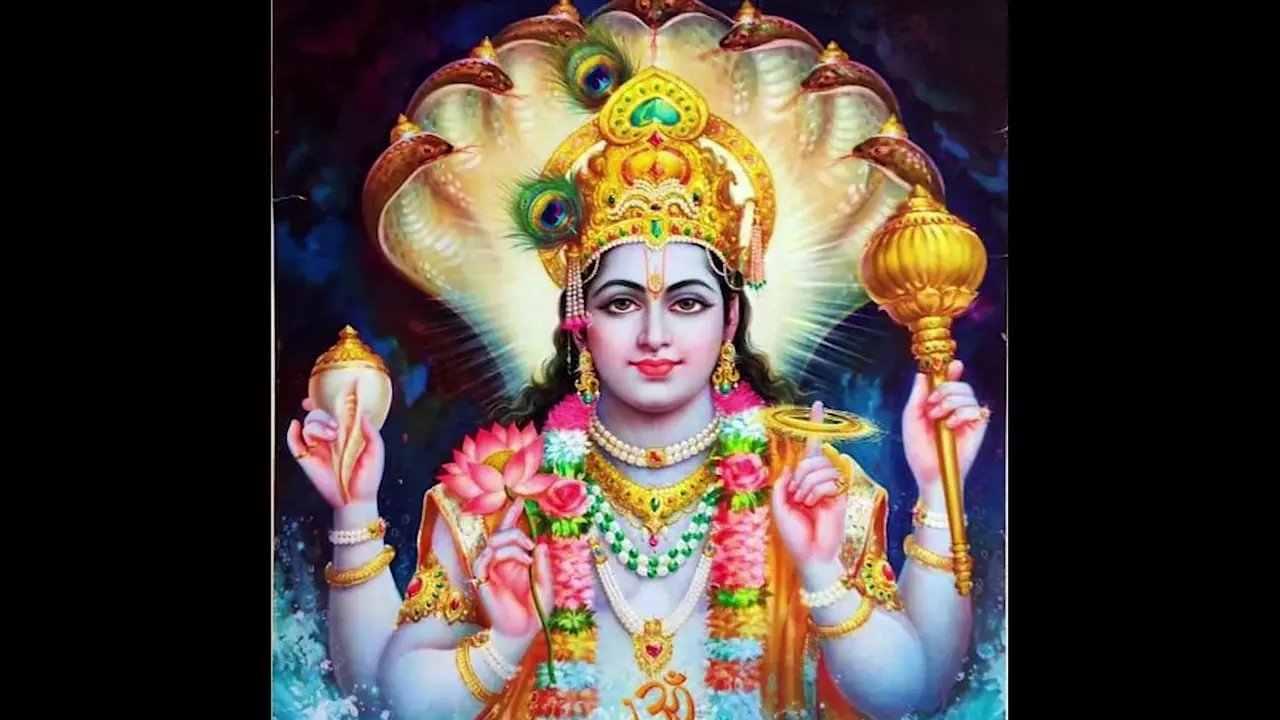
Blue Hindu deities depicted across cultures may reflect methemoglobinemia condition
Key facts
- Blue deities found not only in India but also in Egyptian and Aztec mythology; Egyptian Amun, Hapi (Nile god), Thoth, and Osiris were depicted with blue or turquoise skin
- Aztec gods Huitzilopochtli (sun/war), Tlaloc (rain/fertility), Quetzalcoatl (wind/wisdom), and Tezcatlipoca (night/destiny) were depicted with blue or turquoise skin
- Earliest mentions of blue gods appear in Vedic hymns dated to 2nd-1st millennia BC, roughly 4,000 years ago, transmitted orally with no surviving visual images from that period
- Two Sanskrit terms describe this color: "shyama" (dark blue or black with bluish shine) and "nila" (azure blue-green)
- Rigveda (~2,000 BC) describes Indra as "shining the blue firmament, smiter of enemies"
- Krishna is described as dark blue in Bhagavad Gita (2nd century BC), Mahabharata, and Ramayana (5th century BC)
- Visual depiction of blue deities became possible only in 1st century AD with indigo dye extracted from Indigofera tinctoria plant; the word "indigo" derives from Latin "indicum" meaning "from India"
- Vishnu and avatars (Krishna, Rama, Varaha) depicted with cosmic shyama (radiant dark blue); Indra and Nagas with nila (sky blue); Kali, Asuras, Rakshasas, Ravana, and Yama with destructive shyama (matte black-blue)
- Brahma is depicted reddish-gold/pink (color of creative energy); Shiva is ash-white (color of dust from cremation grounds)
- Blue skin tone is scientifically associated with methemoglobinemia, where elevated methb levels (15%) turn skin blue and blood chocolate-colored
Sources
Ancient Egyptian gods and goddessesbritishmuseum.org
He was often portrayed as a man with red or blue skin, wearing a headdress of two feathers, or as a ram-headed man. By the Middle Kingdom, Amun became linked ...
Amunen.wikipedia.org
Amun was painted with blue skin, symbolizing his association with air and primeval creation. recorded of the Egyptian gods. Amun was instead painted with blue ...
Amun-Re and the Theban Triad - Hypostylememphis.edu
Amun's skin could be red, it was usually blue and sometimes black; to the Egyptians, both colors symbolized the abundant fertility of the Nile Valley's rich ...
10 Astonishing Facts about Amun, Egyptian God of the Airfactcity.com
Amun is typically depicted as having blue skin to help associate him with the wind, sky, and air that he frequently represents.
Huītzilōpōchtlien.wikipedia.org
Huitzilopochtli is the solar and war deity of sacrifice in Aztec religion. He was also the patron god of the Aztecs and their capital city, Tenochtitlan.
Was this story useful?
Keep exploring
Every site on this page sits on the globe, and the people who research them are on the Discord.
3D Globe · Sites by country · Story Archive · Research Library · Weekly Journal · Search
AI-generated text · images from the original sources · always verify with the sources.