

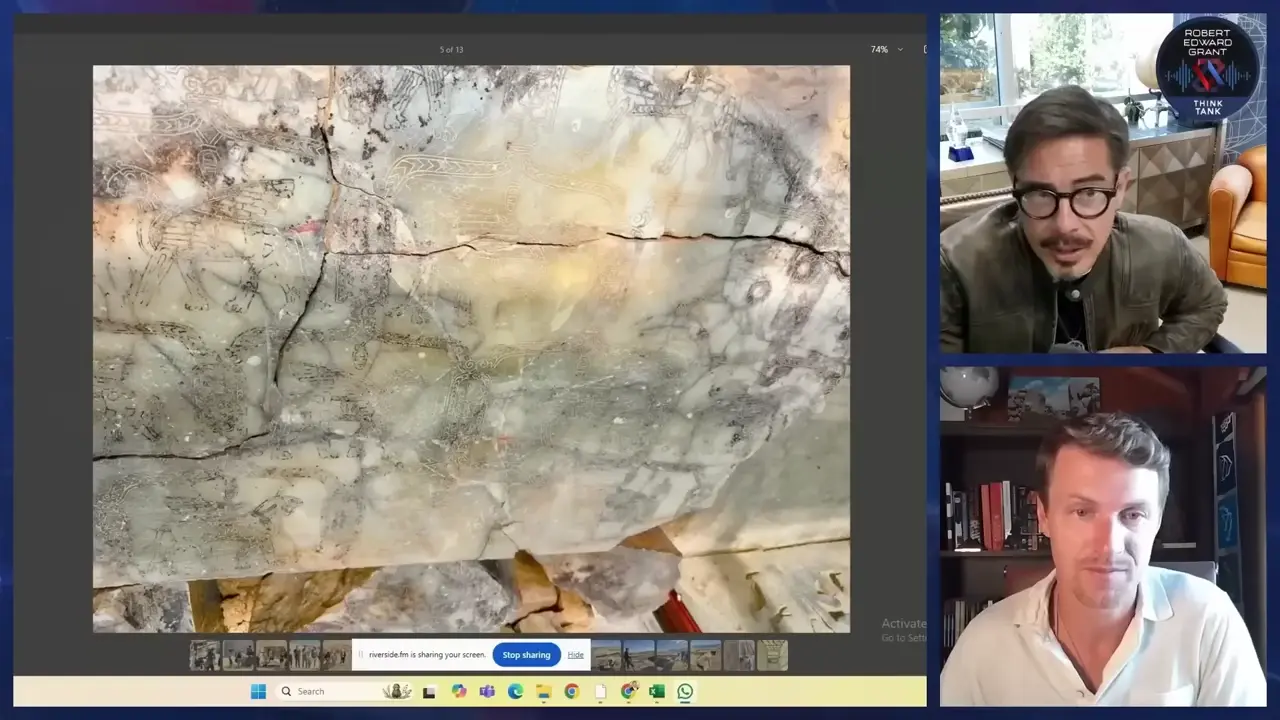
Ayanıs temple reveals Haldi god relief with Orion connection. Ayanıs (Ionis) features Haldi temple with golden calcite alabaster floors Basalt walls contain reliefs depicting lion, bull, man, and eagle (matching Ezekiel's vision) Reliefs originally had gold inlay

A new archaeological expedition in eastern Turkey near Lake Van has uncovered multiple active dig sites with Urartian-era ruins. Researchers are investigating what these discoveries might reveal about the Urartian civilization.

Key facts:

- Ayanıs Castle features a temple dedicated to the Urartian god Haldi

- Temple attributed to Urartian king Rusa II (685–639 BC) via cuneiform inscriptions, son of Argisti II

- Bronze shields and helmet were discovered as offerings to Haldi

- Andesite walls decorated with religious motifs

Key Facts

  • Ayanıs (Ionis) features Haldi temple with golden calcite alabaster floors
  • Basalt walls contain reliefs depicting lion, bull, man, and eagle (matching Ezekiel's vision)
  • Reliefs originally had gold inlay
  • Haldi is directly associated with Orion constellation
  • Temple attributed to Urartian king Rousa II via cuneform inscriptions dated to ~2,700 years ago
  • Analysis shows cuneform was added after damage existed on blocks, suggesting earlier structure

Related site: Ayanis Kalesi — view location, images, and history on the Ancient Nerds map.