

Could Göbekli Tepe's remote, inhospitable location actually be IDEAL for stargazing? Dr. Martin Sümer proposes Pillar 43 functioned as an astronomical clock. Reliefs at Seğobükpınar may show early representations of Orion and Taurus. The Master of Beasts motif appears across cultures worldwide. Theory suggests our obsession with stars for navigation and timekeeping runs deeper than academics typically credit.
Archaeoastronomy Theories at Taş Tepeler Sites
 TürkiyeArchaeoastronomy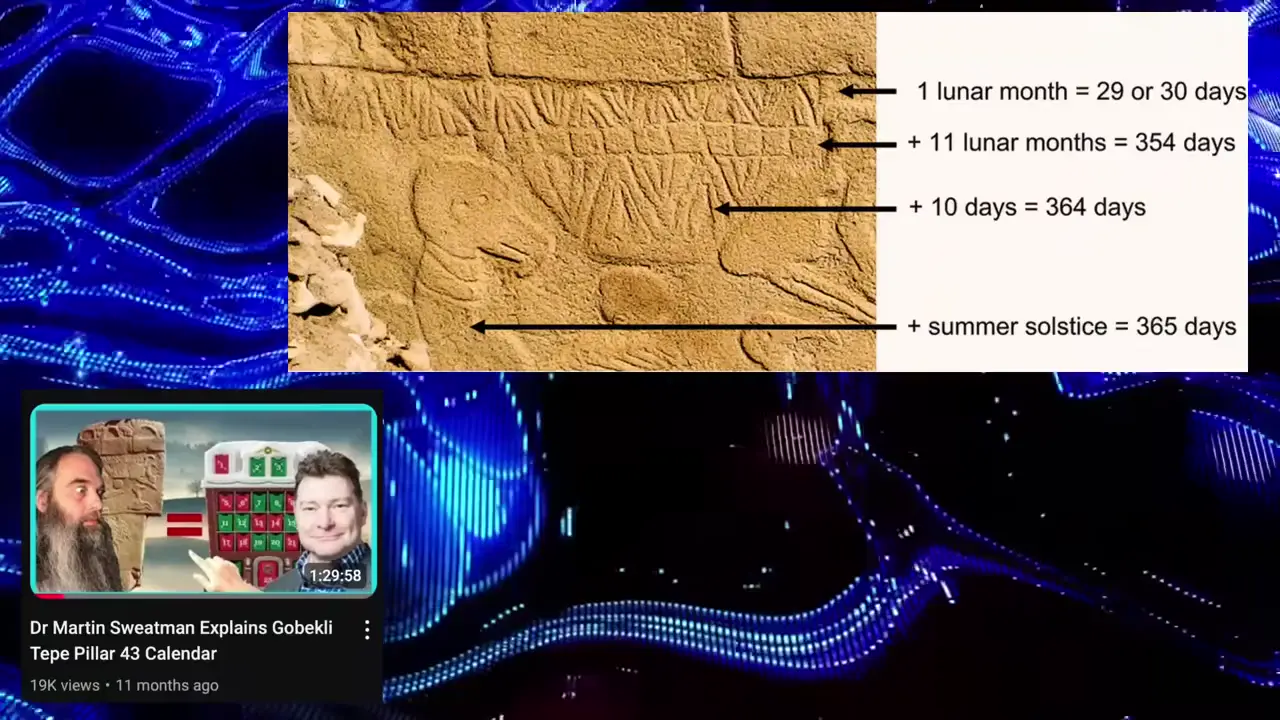
Site mentioned
Key facts
- Taş Tepeler area can be viewed through the lens of archaeoastronomy
- Göbekli Tepe's location is inhospitable but ideal for stargazing
- Reliefs at Seğobükpınar show possible earliest representations of Orion and Taurus constellations
- Master of Beasts motif - human dominating an animal on each side - appears at multiple sites across old and new world
- Dr. Martin Sümer has proposed Pillar 43 at Göbekli Tepe functions as an astronomical clock
- Human obsession with stars for navigation and timekeeping likely extends further back than academics typically credit
Was this story useful?
Keep exploring
Every site on this page sits on the globe, and the people who research them are on the Discord.
3D Globe · Sites by country · Story Archive · Research Library · Weekly Journal · Search
AI-generated text · images from the original sources · always verify with the sources.