

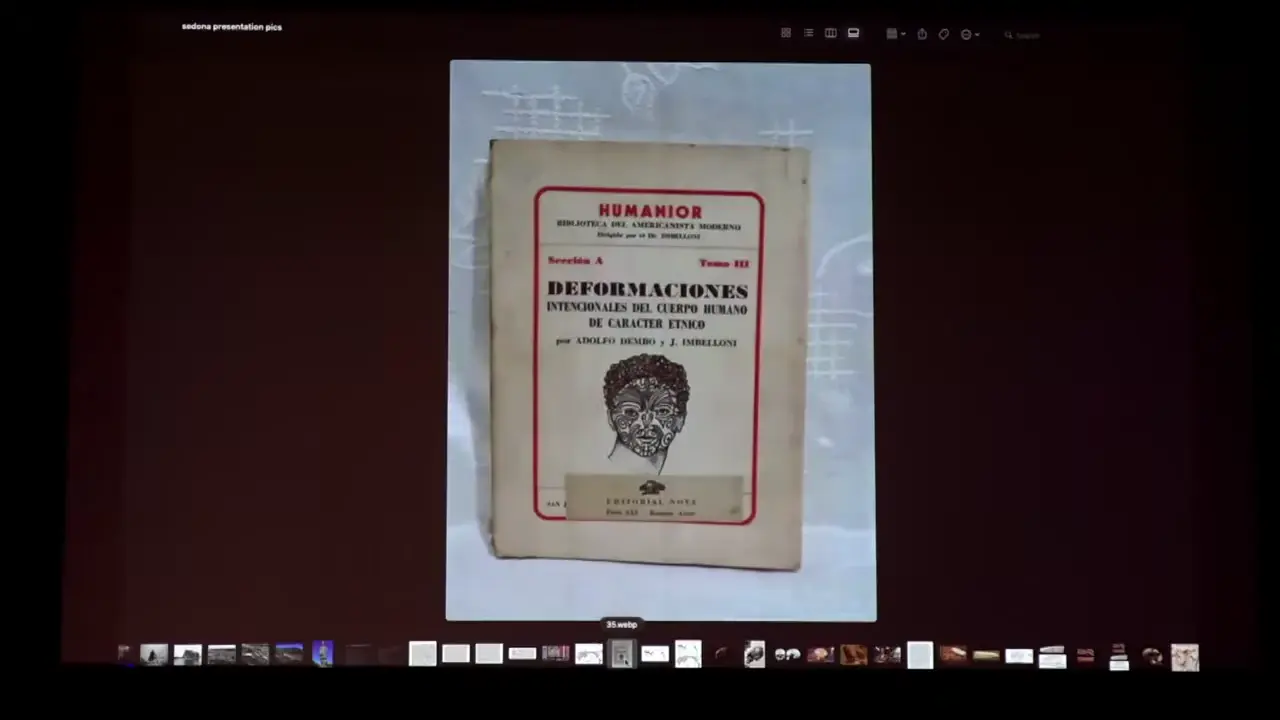
A video compares a 1938 map of recorded elongated-skull locations with a 2019 peer-reviewed map and argues that missing regions show an 81-year loss of documented knowledge.
That interpretation belongs to the video, not the 2019 study: differing map scope or inclusion criteria can also create apparent gaps. The video further claims that museum non-display is worldwide and universal, that NAGPRA has blocked access to specimens, and that selection bias explains what disappeared. NAGPRA sets consultation and repatriation rules for Native American remains in the United States; it is not a worldwide restriction. Many elongated skulls are products of artificial cranial deformation, often begun in infancy. 📈🔭🦂