

Ancient Egyptians called the Valley of the Kings the "great and majestic Necropolis" with tombs facing east toward rebirth. 64 tombs and 4 tomb pits have been found, belonging to pharaohs, queens, princes, nobles, and sacred bulls. John Gardner Wilkinson established the numbering system during the 1820s first scientific investigation. Modern DNA analysis has helped determine familial relationships 🏛️
Valley of the Kings contains 64 tombs from New Kingdom Egypt
 EgyptGeneral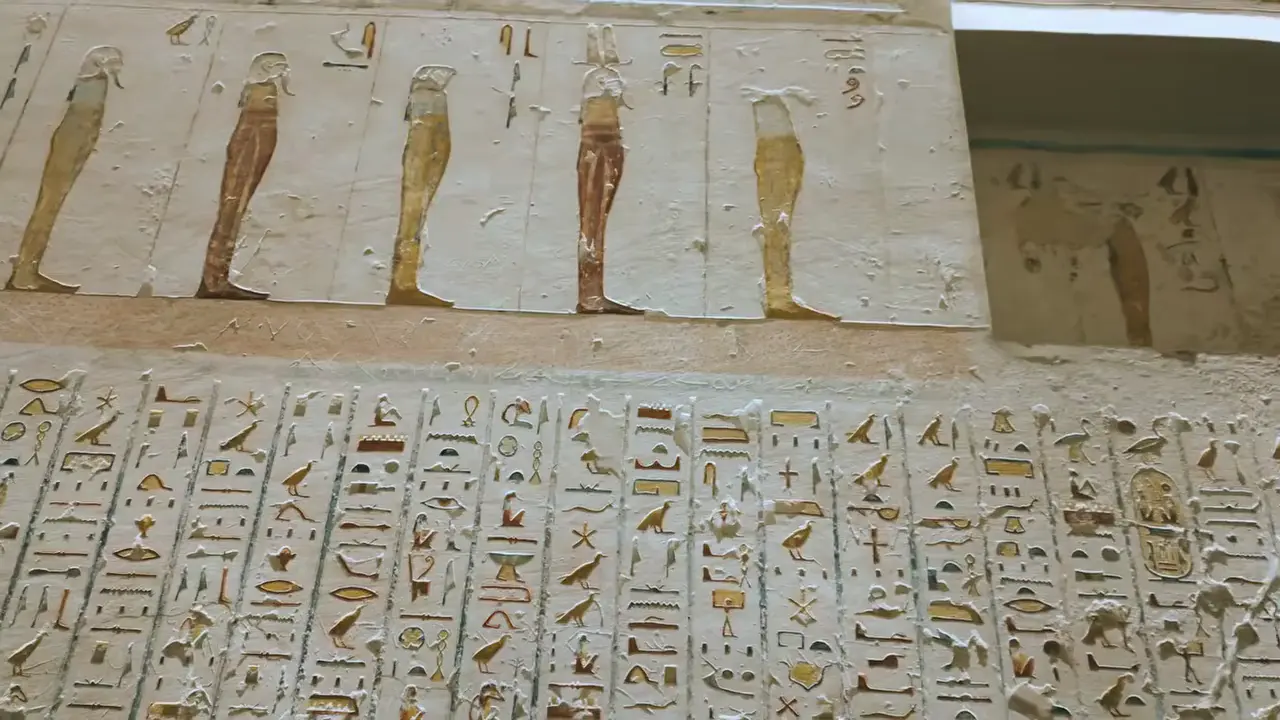
Key facts
- Ancient Egyptians called it the 'great and magnificent Necropolis' with tombs facing east toward rebirth
- 64 tombs and 4 tomb pits have been found belonging to pharaohs, queens, princes, nobles, and sacred bulls
- Eocene limestone and marl bedrock hardens when exposed to air, creating natural construction conditions
- Impermeable Etruscan shale beneath the limestone has preserved artifacts despite average rainfall of 1mm per year
- Religious texts found in tombs include the Amduat, Book of Gates, and Book of the Dead
- Napoleon's Egyptian expedition 1798-1801 conducted the first known survey of the valley
- John Gardner Wilkinson conducted the first formal scientific investigation in the 1820s and established the tomb numbering system still used today
- Tombs have been discovered as recently as 2011
- Modern DNA analysis has helped determine familial lineage of those buried here
Site mentioned
Sources
Valley of the Kings - 百度百科baike.baidu.com
The official name of the Valley of the Kings is The Great and Majestic Necropolis ... The West Valley is numbered after the East Valley and contains only four ...
Was this story useful?
Keep exploring
Every site on this page sits on the globe, and the people who research them are on the Discord.
3D Globe · Sites by country · Story Archive · Research Library · Weekly Journal · Search
AI-generated text · images from the original sources · always verify with the sources.