

Lidar revealed an intact Maya city called Minanbé ("there is no road") in Mexico's Calakmul Biosphere Reserve, dating to ~1,100 years ago. The ~15-hectare settlement features a 13m pyramid in Rio Bec style, plazas, ceremonial structures, and water management. Researchers documented 14 monuments, including a decapitation scene dated to 849 CE—and remarkably, no signs of looting.
Untouched Maya city discovered using lidar in Calakmul Biosphere Reserve
Key facts
- Untouched Maya city named Manon Ba ('there is no path' in Yucatec Maya) discovered in a remote section of Mexico's Calakmul Biosphere Reserve, dating to roughly 1,100 years ago
- Airborne lidar revealed a settlement covering approximately 15 hectares, with subsequent fieldwork confirming plazas, ceremonial structures, palatial buildings, terraces, and an extensive water management system
- A pyramid-shaped temple over 13 m tall exhibits the Rio Bec architectural style, with finely crafted masonry, decorative facade panels, steep staircases, and upper moldings
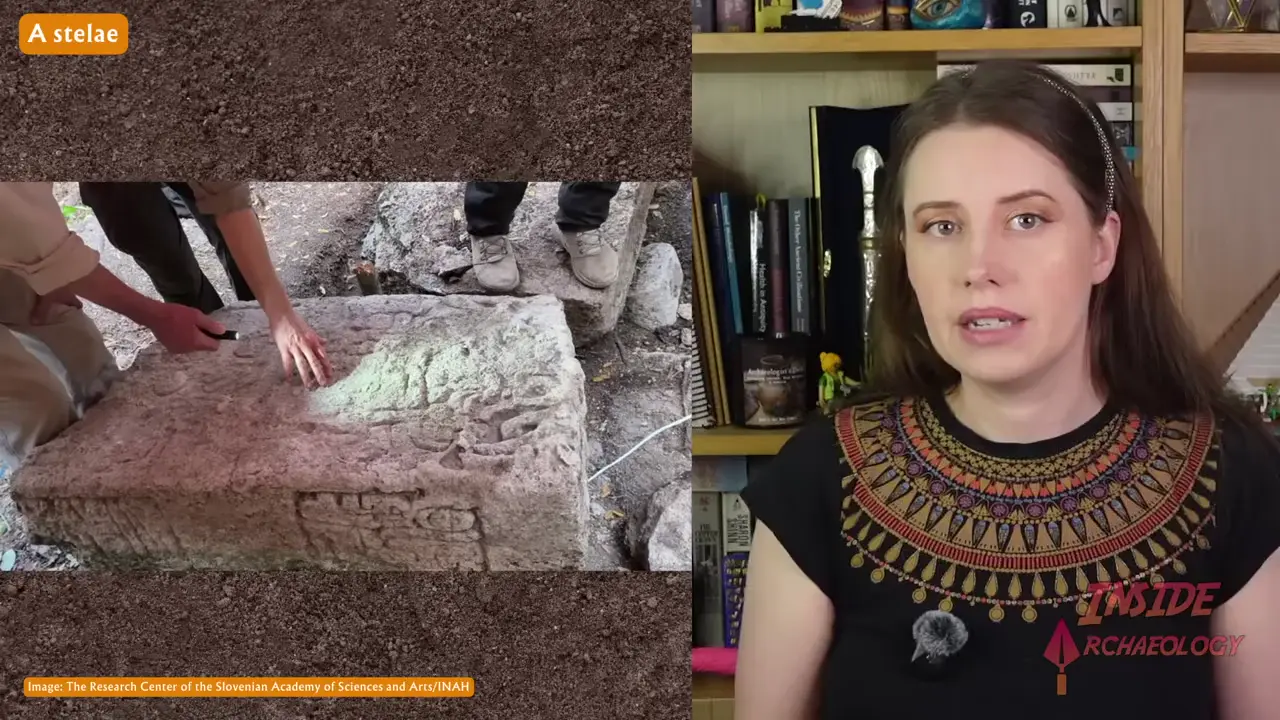
- 14 monuments including stelae, altars, and hieroglyphic inscriptions were documented and analyzed using photogrammetry and epigraphy
- One inscription depicting a decapitation scene dates to 849 CE in the Terminal Classic Period; another may date to the late 7th century CE, potentially making it the oldest dated monument in the surrounding area
- Site was found intact with no signs of looting
Sources
nature.com
Linked in video description
Was this story useful?
Keep exploring
Every site on this page sits on the globe, and the people who research them are on the Discord.
3D Globe · Sites by country · Story Archive · Research Library · Weekly Journal · Search
AI-generated text · images from the original sources · always verify with the sources.