

Three Second Sphinx theories circulate at Giza, but none peer-reviewed or excavated. Filippo Biondi claimed 80% confidence in one buried under a 108-ft mound via SAR radar (March 2026 podcast). Yet a 1929 Hermann Junker aerial photo shows that mound didn't exist then. Egyptologist Dr. Peter Brand identifies it as a 20th-century debris ramp. Fascinating debate, but the evidence isn't there yet. 🏛️
Three competing Second Sphinx theories at Giza evaluated against evidence
 EgyptTheory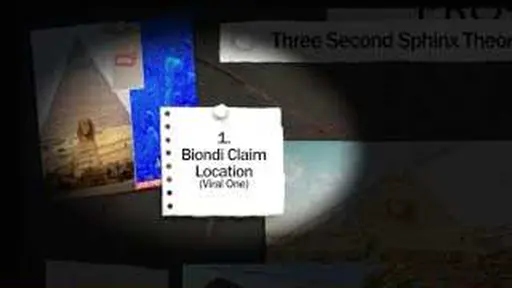
Site mentioned
Key facts
- Filippo Biondi appeared on the Matt Beal Limitless podcast on March 26, 2026, claiming a second Sphinx buried under a 108-ft mound on the Giza Plateau using SAR radar scans
- Biondi claimed 80% confidence in the second sphinx identification, citing geometric match with the Great Sphinx; no excavation, peer review, or Egyptian authority confirmation has been conducted
- A 1929 aerial photo of the Giza Plateau by Hermann Junker (published through the Austrian Academy of Sciences) shows the mound Biondi identified was not present or was extremely small, indicating it formed in the 20th century
- Egyptologist Dr. Peter Brand identified the mound as a debris ramp created during 20th-century excavation campaigns
- Dr. Reda Abdel Halim's GCF1 site is located in the southern causeway area near Khafre's pyramid and shows sphinx-like proportions from a specific westerly direction but lacks visible paws, face, and resembles a sphinx only from one angle
- Bassam El Shamma first published a second sphinx theory in 1997, proposing a sphinx behind the Valley Temple, based on early satellite imagery and ancient texts, with no excavation ever testing the claim
- The Dream Stele, a granite slab placed between the paws of the Great Sphinx by Thutmose IV around 1401 BCE, depicts two sphinx images, though mainstream Egyptology interprets both as the same deity Hor-em-akhet shown from east and west
Sources
Researchers detect second Sphinx beneath Pyramids of Gizanypost.com
Radar engineer Filippo Biondi claims he found signs of a Sphinx located beneath the Pyramids of Giza, suggesting that the existence of a ...
Expert Rejects Claims Of Second Sphinx Discovery Beneath Giza ...ndtv.com
Italian researchers, led by Filippo Biondi and Corrado Malanga, claim to have found evidence of a second Sphinx buried beneath the Giza ...
Did Researchers Discover a Second Sphinx at Giza? - Miami Heraldmiamiherald.com
To be clear, no confirmed archaeological evidence of a second Sphinx exists, and no excavation has taken place at the mound Biondi identifies.
Second SPHINX found under Giza Plateau - YouTube Musicmusic.youtube.com
Researcher Filippo Biondi shares new findings from satellite radar scans that suggest a buried structure mirroring the Great Sphinx. His data ...
Is there a second Sphinx? Why a satellite expert suddenly goes viralbluewin.ch
Biondi locates the alleged second Sphinx at a specific point on the Giza plateau. The starting point is a geometric reflection: he draws a ...
Was this story useful?
Keep exploring
Every site on this page sits on the globe, and the people who research them are on the Discord.
3D Globe · Sites by country · Story Archive · Research Library · Weekly Journal · Search
AI-generated text · images from the original sources · always verify with the sources.