

A DNA study of 142 individuals from 3 Swedish sites found multiple Viking-era burials rarely contained close biological relatives—only 12% had first-degree kin. Men were typically buried with boys, women with girls. Households, social rank, and religious affiliation may have shaped these burials more than family ties. ⚔️
Swedish DNA study reveals Viking-era multiple burials rarely contained close relatives
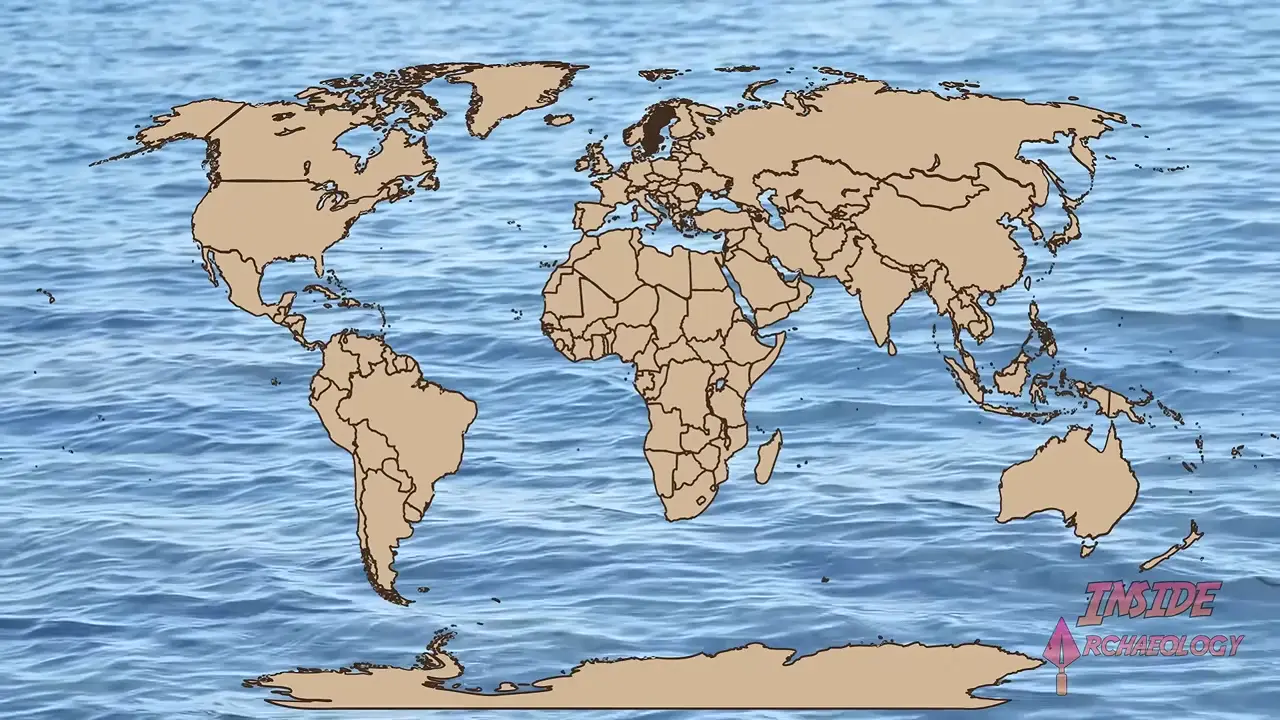
Key facts
- A DNA study examined 142 individuals from three sites in Sweden dating from the late Viking Age to the medieval period (approximately 900-700 years ago)
- The sample included 68 children and 74 adults from 27 single and 50 multiple burials, with 44.9% female, 50% male, and 5.1% of unknown sex
- Most multiple burials contained adults and children of the same sex, with men buried with boys and women with girls, and children buried on the same side of the churchyard as adults of the same sex
- Only 12% of multiple burials from two sites contained first-degree relatives, and at the third site the only kinship pair identified was not part of the same burial
- One notable burial contained a young woman with DNA links to multiple relatives across the cemetery, including parents, brother, and two daughters, along with a scallop shell indicating pilgrimage to Santiago de Compostela in northwestern Spain
- Findings suggest close biological family units were not the primary organizing principle of multiple burials; instead, households, social rank, religious affiliation, or simultaneous deaths shaped these burial practices in Viking and early medieval Scandinavia
Sources
Mitochondrial DNA variation in the Viking age population of ...pmc.ncbi.nlm.nih.gov
by M Krzewińska · 2015 · Cited by 75 — The Viking Age population had higher frequencies of K*, U*, V* and I* haplogroups than their modern counterparts, but a lower proportion of T* and H* ...
The genetic history of Scandinavia from the Roman Iron ...sciencedirect.com
by R Rodríguez-Varela · 2023 · Cited by 53 — We investigate a 2,000-year genetic transect through Scandinavia spanning the Iron Age to the present, based on 48 new and 249 published ...
Viking Age migrations can be seen in Swedes' DNAnordstjernan.com
Many Swedes still carry genes from the wave of people from England and Ireland who moved to Sweden during the Viking Age.
How Do You Compare to New Ancient DNA From ...blog.familytreedna.com
There are seven new samples dated to the Viking Age (793–1066 CE) in the study. The Viking Age is associated with a marked increase from 1686 ...
World's largest-ever DNA sequencing of Viking skeletons ...cam.ac.uk
The study shows the genetic history of Scandinavia was influenced by foreign genes from Asia and Southern Europe before the Viking Age. Early ...
Keep exploring
Every site on this page sits on the globe, and the people who research them are on the Discord.
3D Globe · Sites by country · Story Archive · Research Library · Weekly Journal · Search
AI-generated text · images from the original sources · always verify with the sources.