

The Stonehenge visitors see today isn't the original Bronze Age layout. In the 1900s, stones were repositioned, straightened, and set in concrete to prevent collapse—this was conservation work, not fraud, but it reflects interpretive choices about what the monument should look like.
Stonehenge: 20th century stabilization reshaped Bronze Age monument
 EnglandConservation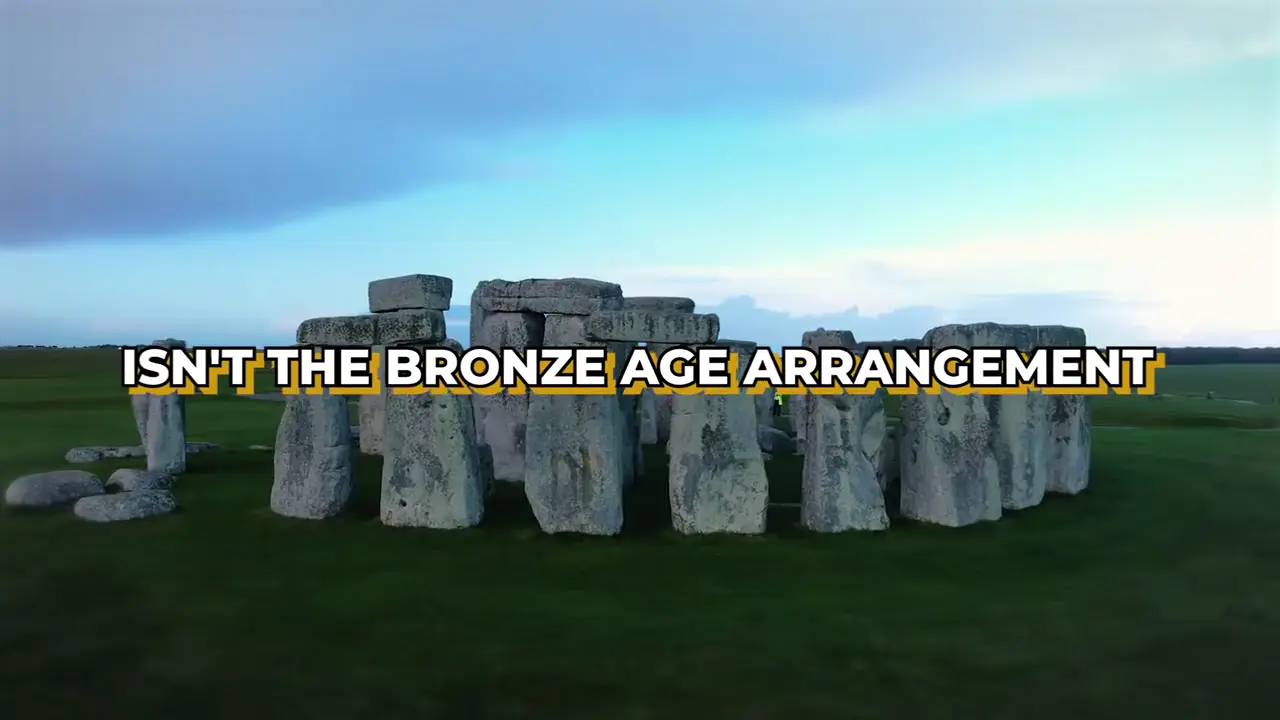
Site mentioned
Key facts
- Stones were repositioned, straightened, or embedded in concrete during the 20th century
- The current arrangement is a 20th century stabilization project designed to prevent collapse, not the original Bronze Age arrangement
- This was conservation work, not fraud, but involved significant interpretive choices about which stones go where and which phase of history gets restored
Sources
Concrete evidence | New Scientistnewscientist.com
Virtually every stone was re-erected, straightened or embedded in concrete between 1901 and 1964, says a British doctoral student.
Stonehenge - Wikipediaen.wikipedia.org
The stones are set within earthworks in the middle of the densest complex of Neolithic and Bronze Age monuments in England, including several hundred tumuli ( ...
From Restoration to Conservation - English Heritageenglish-heritage.org.uk
Further sarsen stones were set in concrete to prevent future movement. Finally, six fallen bluestones were lifted and straightened. Stonehenge visitors viewing ...
Stonehenge's Past Hints of Its Present - Los Angeles Timeslatimes.com
They are photographs taken during one in a series of 20th century restoration projects that hoisted, straightened and set in concrete many of ...
Stonehenge isn't the only prehistoric monument that's been movedtheconversation.com
Stonehenge was most likely to have been originally built in Pembrokeshire, Wales, before it was taken apart and transported some 180 miles to Wiltshire, ...
Was this story useful?
Keep exploring
Every site on this page sits on the globe, and the people who research them are on the Discord.
3D Globe · Sites by country · Story Archive · Research Library · Weekly Journal · Search
AI-generated text · images from the original sources · always verify with the sources.