

Silkworm cocoons were discovered at Cahokia's Monks Mound by Sutter in 1920, now sitting in the Madison County History Museum alongside roughly 3,000 other artifacts. This challenges mainstream archaeology's claim that no silk culture existed in America before the French arrived in 1700. Mulberry trees (silkworm food) have been documented at the site and are indigenous to North America. A single cocoon contains a continuous 1,500-meter silk filament. Radiocarbon dating via AMS costs $675 per test, while amino acid racemization testing runs $3,500 for 10 samples. The cocoons remain undated.
Silkworm cocoons at Monks Mound awaiting radiocarbon dating
 USAGeneral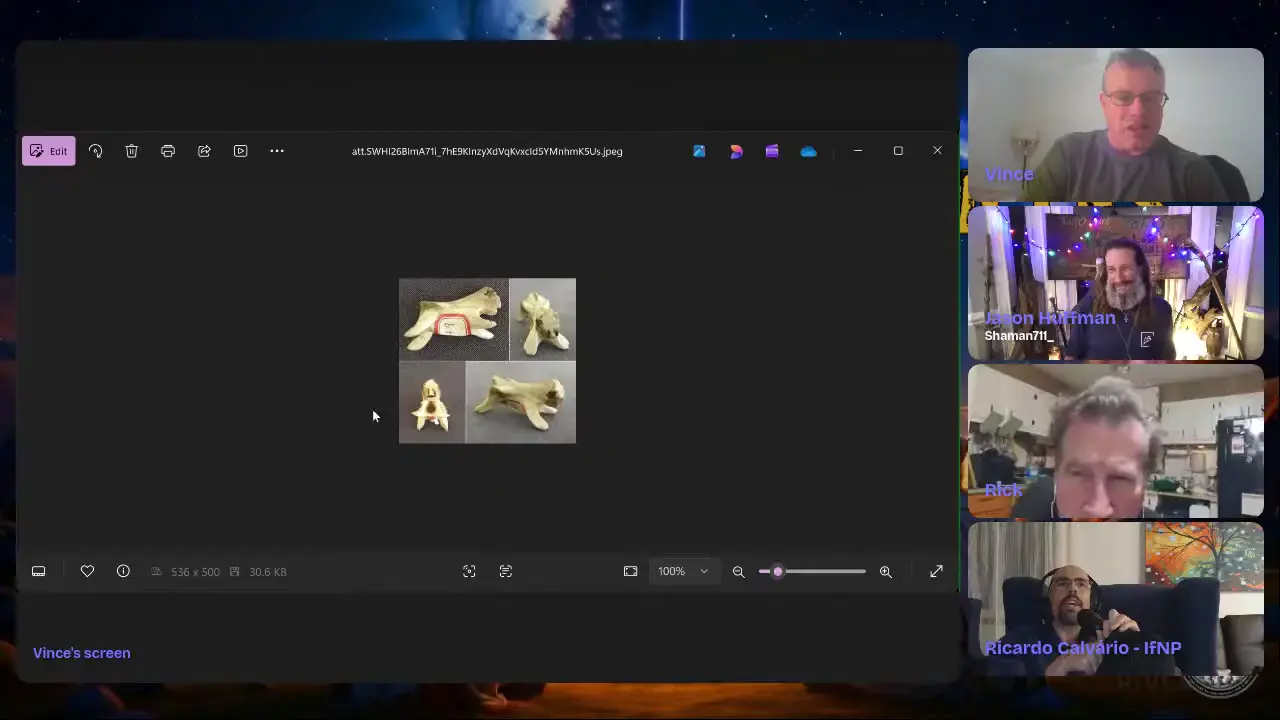
Key facts
- Silkworm cocoons were found at Monks Mound (Cahokia) by Sutter in 1920 and donated to the Madison County History Museum
- Thomas Remy owned Monks Mound from 1860 to 1880 and preserved artifacts
- The silkworm cocoons are from a collection of approximately 3,000 items including arrowheads and pottery
- Radiocarbon testing costs $675 per AMS test requiring only 30 micrograms (one 10,000th of a cocoon)
- Amino acid racemization testing costs $3,500 for 10 samples and can determine age by comparing R/L ratios (0.15 for 5,000-year-old samples vs 0.005 for new samples)
- A single silkworm cocoon contains a continuous 1,500-meter silk filament
- Mainstream archaeology claims no silk culture existed in America before the French in 1700
- Mulberry trees (silkworm food) were documented on site and are indigenous to North America
Site mentioned
Sources
See raw diff - Hugging Facehuggingface.co
... is +- +was +as +( +) +? +for +by +that +with +'s +on +from +what +are +which +were +it +at +or +an +be +his +this +have +has +not +their +also +its +had + ...
Full text of "Historical encyclopedia of Illinois" - Internet Archivearchive.org
Full text of "Historical encyclopedia of Illinois". See other formats. Gc 977.301 H19ba v.2 1255340 GENEALOGY COLLECTION — ALLEN COUNTY PUBLIC LIBRARY 833 ...
[PDF] Field Museum of Natural History Bulletinlibsysdigi.library.uiuc.edu
The di'er made it using onlv a few dyes but many brief immersions in the vat, each time taking it out, drying it, covering another triangle or ttvo with wax ...
Sacrificed at Cahokia: Teenage Girls and the end of Mississippian ...historymuse.medium.com
These smaller mounds contain an archaeological enigma: the burials of at least 272 people, many of whom were 15- to 25-year-old girls killed as ...
Native American lost city of Cahokia: Experts debunk myth ...foxnews.com
A team of archaeologists is debunking the myth surrounding the demise of the lost Native American civilization that was once at Cahokia Mounds near ...
Was this story useful?
Keep exploring
Every site on this page sits on the globe, and the people who research them are on the Discord.
3D Globe · Sites by country · Story Archive · Research Library · Weekly Journal · Search
AI-generated text · images from the original sources · always verify with the sources.