

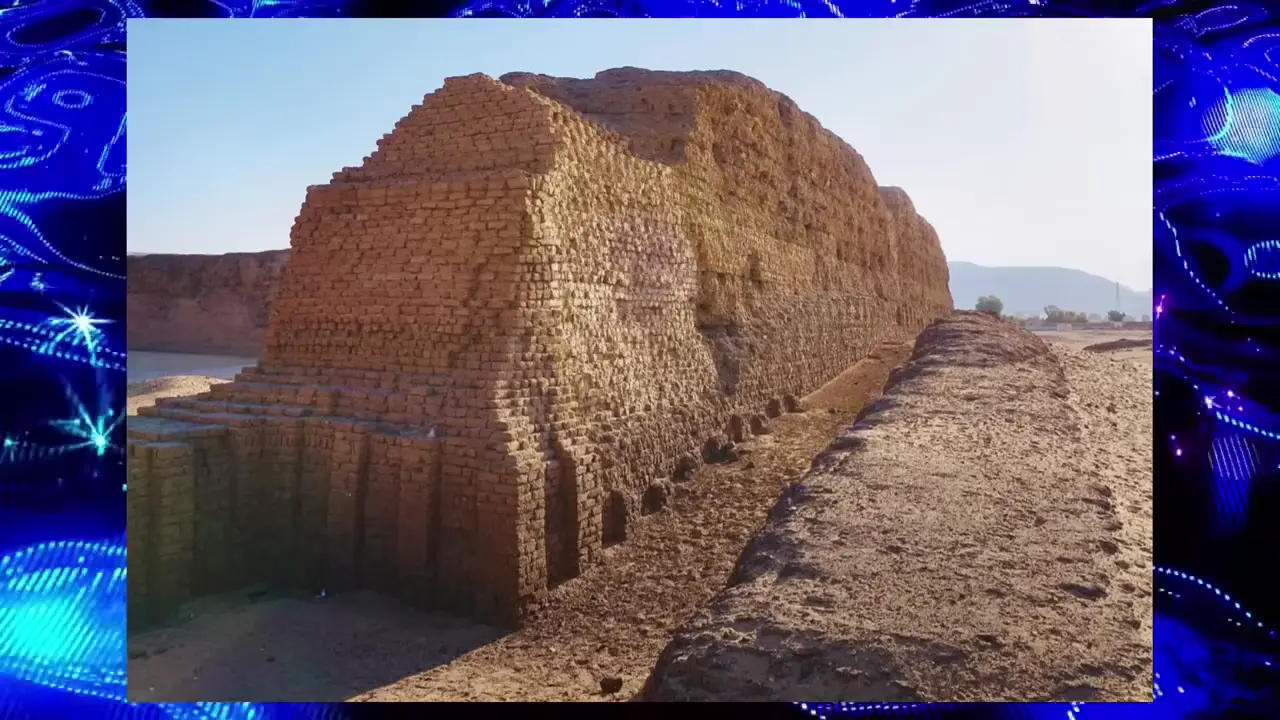
Medieval scholar Ibn al-Durayhim (1301–1351) described a smaller mud-brick structure faced with stone, already in poor condition. The video says changes to the Nile may have erased traces of it.
In 2011, University of Basel Egyptologist Bassam el-Shammaa proposed that a second Sphinx may have stood to the north and been destroyed by lightning. Rita Abdel Haleem identified an outcrop as another possible candidate, while Jerry Cannon and Malcolm Hutton proposed a buried Sphinx in 2017. None has been accepted as a confirmed second Sphinx by mainstream Egyptology.
An Italian team's 2024 synthetic-aperture-radar survey identified a mound-like anomaly, not a confirmed Sphinx. The video argues that the anomaly was absent from imagery from around a century ago and is therefore unlikely to be ancient.