

South of Cairo, Saqqara served as Memphis's burial ground for 3,000+ years. Djoser's Step Pyramid (designed by Imhotep, 27th c. BC) rises 200+ ft above 3+ miles of underground tunnels. Walls once held 30,000+ blue-green faience tiles — among the oldest glazed ceramics. Recent digs uncovered dozens of new 100+ ft shafts with hundreds of sealed coffins.
Saqqara necropolis: Djoser's Step Pyramid, 3-mile underground labyrinth, Serapeum
Key facts
- Located about 20 miles south of modern Cairo; principal burial ground of Memphis for more than 3,000 years
- Step Pyramid of Djoser built in the 27th century BC, designed by Imhotep, rising more than 200 ft as a six-tiered structure
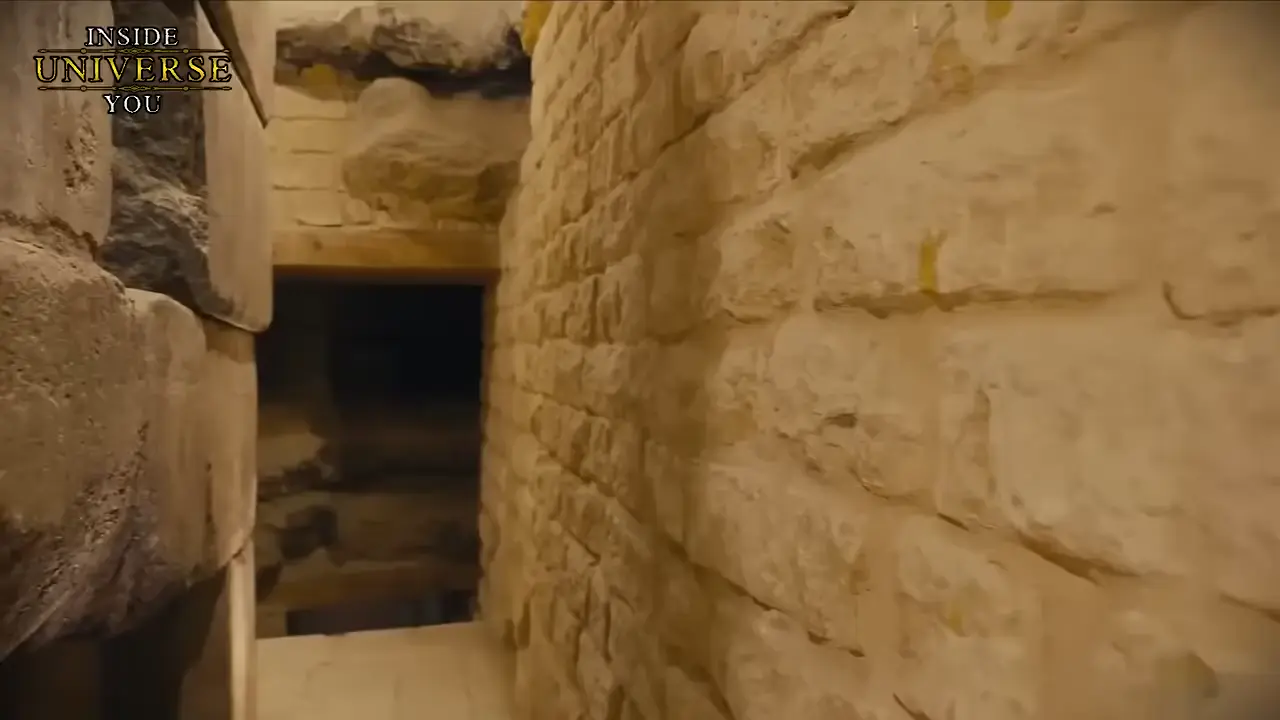
- Underground complex contains more than 3 miles of tunnels extending nearly 100 ft below the surface, with hundreds of chambers and a granite burial chamber
- Walls were once decorated with more than 30,000 blue-green faience tiles imitating woven reed mats; surviving examples are among the oldest glazed ceramics known
- The Serapeum contains monolithic granite sarcophagi weighing 70 to nearly 100 tons each
- Recent excavations have uncovered dozens of previously unknown burial shafts deeper than 100 ft, containing hundreds of sealed coffins, painted sarcophagi, gilded masks, and well-preserved mummies
Was this story useful?
Keep exploring
Every site on this page sits on the globe, and the people who research them are on the Discord.
3D Globe · Sites by country · Story Archive · Research Library · Weekly Journal · Search
AI-generated text · images from the original sources · always verify with the sources.