

Beneath Giza's causeway lies the Osiris Shaft, first discovered in 1945 when guide Abdel Moneim Abdul Baqi fell into an underground shaft while inspecting water sources. Zahi Hawass excavated it in 1999 — a three-shaft complex with chambers and a granite sarcophagus, linked to ancient beliefs about Osiris and the Egyptian underworld. 🔱
Osiris Shaft: Underground tomb discovered beneath Giza causeway
 EgyptGeneral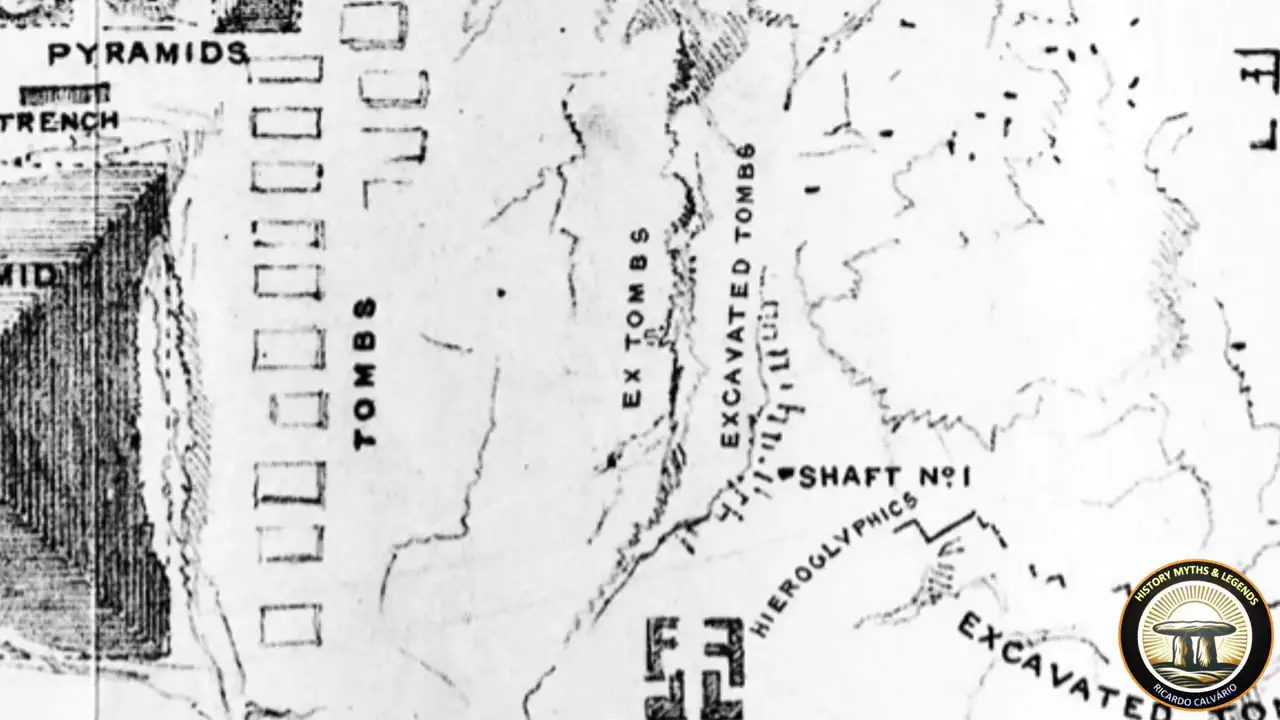
Key facts
- Located under Kafre's causeway, approximately one-third between the Great Sphinx and Khafre's Pyramid
- First discovered in 1945 by Abdel Moneim Abdul Baqi when guides were swimming in the underground shaft
- Excavated by Zahi Hawass in summer 1999
- Contains three distinct shafts: first leads to single chamber, second to one larger chamber surrounded by six smaller chambers, third leads to single large chamber with sarcophagus
- Lower level chamber had water table issues and contained large granite sarcophagus
- Hawas concluded it was an underground tomb of many chambers with water and four pillars similar to Osireion layout
- Connected to New Kingdom texts about underground shafts linked to the Netherworld and god Osiris
- Water purity was noted for several years, used by workers and guides as water source
Site mentioned
Sources
What Is The "Osiris Shaft" In Giza Egypt, Who Made It, And When?hiddenincatours.com
Zahi Hawass and his team performed the first full scale excavation of the Osiris Shaft in 1999. By this point the water table on the Plateau had lowered to the ...
The Osiris Shaftguardians.net
The Osiris Shaft is located under the causeway of Khafre, and it is about 25 feet deep. In ancient times people used the water-filled shaft as a ...
[PDF] The Discovery of the Osiris Shaft at Giza - Harvard Universitygizamedia.rc.fas.harvard.edu
The entrance to the Osiris Shaft lies in the floor of a shallow tunnel that runs from north to south under the causeway of Khafre, approximately halfway between ...
Exploring the Lost City Underneath the Pyramids of Giza - Headoutheadout.com
Tomb shafts, workers' quarters, and even a three-level underground structure known as the Osiris Shaft have been excavated by archaeologists ...
The Osiris Shaft | Uncovering Egypt's History - Britannicabritannica.com
Symbolically, Osiris is buried here. He's ruling the underground tunnels of the Giza Plateau. That is really my favorite discovery. It's the most exciting work ...
Was this story useful?
Keep exploring
Every site on this page sits on the globe, and the people who research them are on the Discord.
3D Globe · Sites by country · Story Archive · Research Library · Weekly Journal · Search
AI-generated text · images from the original sources · always verify with the sources.