

Stone vessels appeared in Turkey at Çayönü, Karahan Tepe, and Körtiktepe dating to the Pre-Pottery Neolithic period — predating Egyptian vessels by several millennia. Excavations at Karahan Tepe, a monumental site near the Turkish-Syrian border, have revealed large stone vessels with carefully packed figurines, suggesting complex societal organization before the dawn of agriculture. Çayönü, one of the oldest known Neolithic sites in the region, shows evidence of occupation spanning over a millennium. The Levantine vessels were made of limestone, chlorite, and grainstone with thin edges and smooth finishing. Tools found include flint and obsidian chisels, axes, grindstones, and likely flywheels for pump drills.
Neolithic Stone Vessel Predecessors in Ancient Levant
Site mentioned
📍 Çayönü🌍 Show on the globe
Key facts
- Stone vessels appeared in Turkey at Çayönü, Karahan Tepe, and Körtiktepe around 10,700 BC
- These sites predate the earliest Egyptian stone vessels by 5 to 6,000 years
- Çayönü is the oldest known Neolithic archaeological site in Turkey, occupied for over a millennium
- Levantine vessels made of limestone, chlorite, and grainstone with thin edges and smooth finishing
- Tools found include flint and obsidian chisels, axes, grindstones, and likely flywheels for pump drills
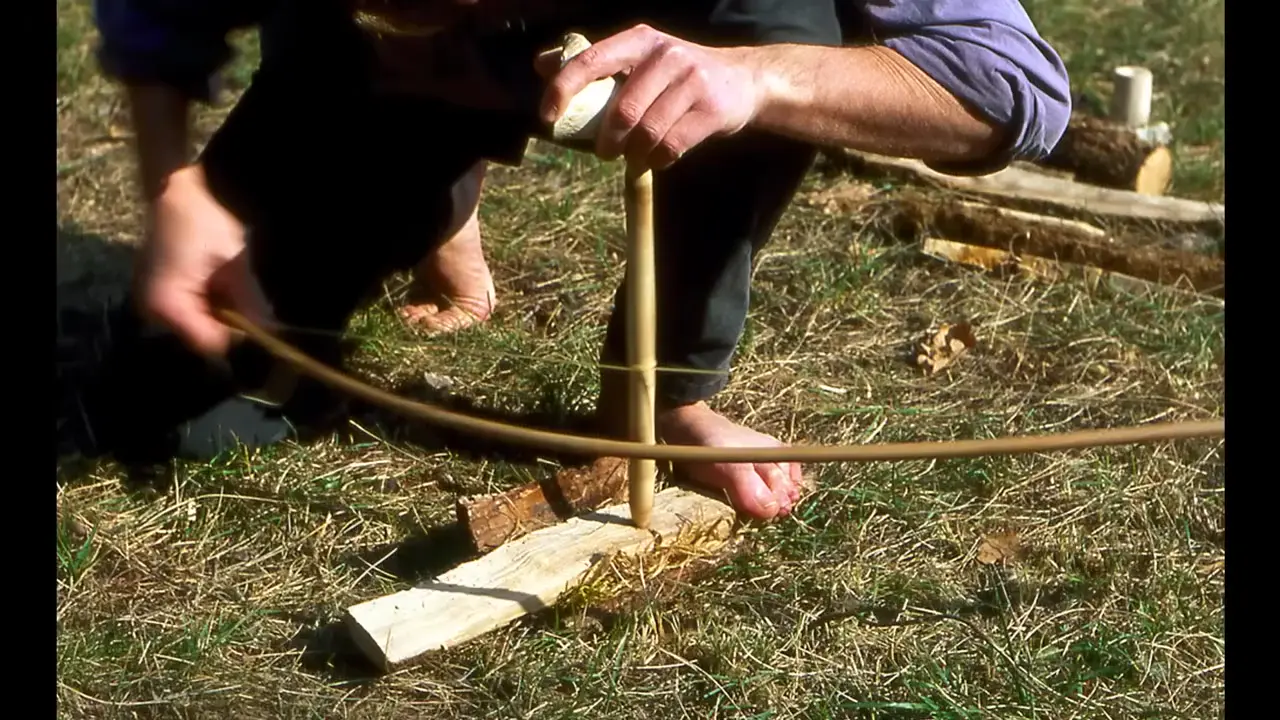
- Pump drills and bow drills date back over 12,000 years and were used until the industrial revolution
Sources
Ancient Figurines From Turkey Could Be Earliest Storytelling Objectsnews.artnet.com
This large stone vessel that archaeologists excavated at Karahan Tepe included a fox, a vulture, and a wild boar figurine carefully packed away.
Discovery of Turkish 11400-year-old village challenges ideas of ...theartnewspaper.com
Excavations at monumental site Karahan Tepe, near the Turkish-Syrian border, suggest that society was established before the dawn of agriculture.
New statues found in Göbekli Tepe and Karahan Tepearchaeologymag.com
Archaeologists in Turkey have uncovered several new monumental statues and architectural elements at Göbekli Tepe and Karahan Tepe.
Tiny carved animals found in Turkey tell story of prehistoric ... - Reutersreuters.com
Dating back some 11,500 years, the trio of figurines found at the Karahantepe archaeological site is the first known example of objects being ...
At 'Neolithic capital' in Turkey, carved faces upend narrative of a ...timesofisrael.com
The project includes the UNESCO heritage site Gobekli Tepe — “Potbelly Hill” in Turkish — which is home to the oldest known megalithic ...
Was this story useful?
Keep exploring
Every site on this page sits on the globe, and the people who research them are on the Discord.
3D Globe · Sites by country · Story Archive · Research Library · Weekly Journal · Search
AI-generated text · images from the original sources · always verify with the sources.