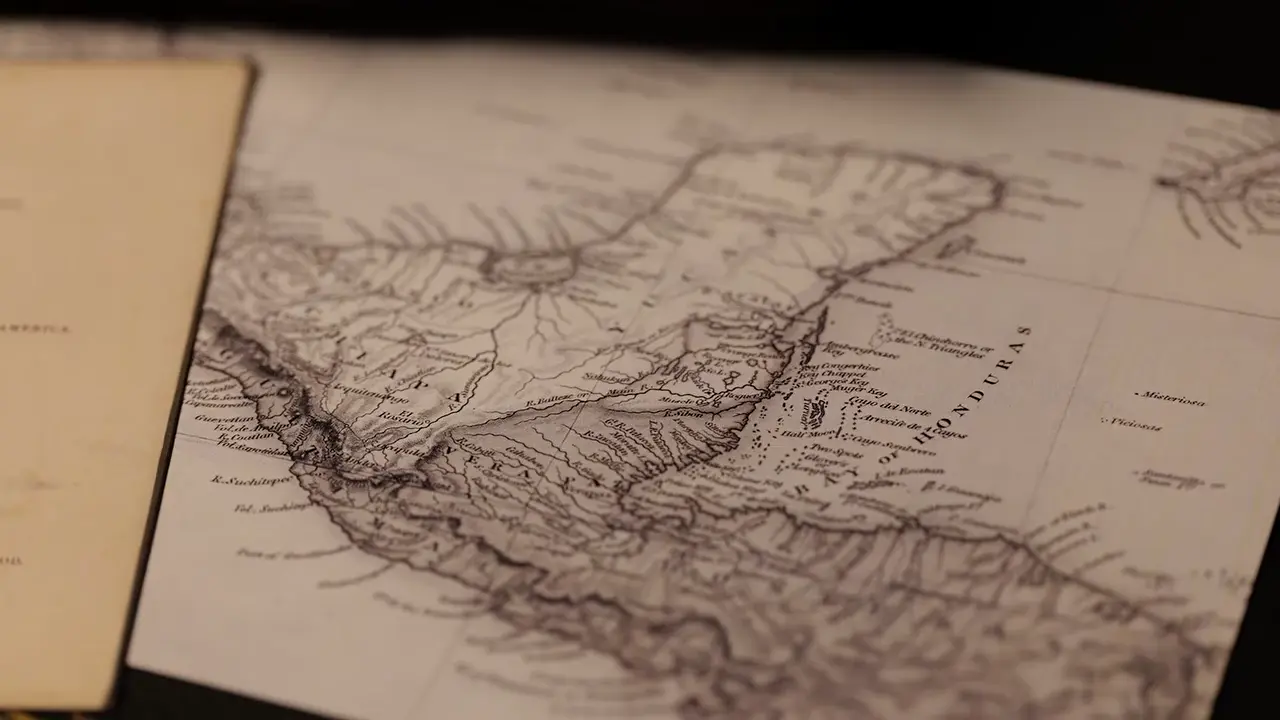
The video argues for one Maya-wide civil war, mass abandonment around AD 800 and a priest-council order after AD 1200. Archaeology does not establish that sequence.
Teotihuacan-linked warfare and material culture are documented at Tikal, but a takeover there and large 'embassies' remain debated. Teotihuacan burned around AD 550–600; internal revolt is one possible explanation.
The Terminal Classic decline was prolonged and uneven. Calakmul, Tikal, Palenque and Copán were not all abandoned at once, and Postclassic centers flourished without any universal abolition of kingship.
Sources
Teotihuacanen.wikipedia.orgTeotihuacan was multi-ethnic, due to the discovery of cultural aspects connected to the Maya as well as Oto-Pamean people.
Teotihuacansmarthistory.orgIn keeping with the stratified nature of other Mesoamerican societies, Teotihuacan also benefitted from rulers, or a ruling elite, who commissioned massive ...
Teotihuacan and Classic Mesoamericaoerproject.comThere is archeological evidence from the Maya city of Tikal that warriors from Teotihuacan participated in an internal conflict in Tikal.
The Relationship of the Maya and Teotihuacanscholars.unh.eduby K Ferguson · 2007 · Cited by 3 — Teotihuacan and the Maya may have coexisted peacefully with mutually advantageous relationships. The fact that there are no written records or pictorial scenes ...
The Maya Ajawtaak and Teotihuacan Hegemony c. 150– ...cambridge.orgThis study considers the role played by Teotihuacan in the emergence of the office of the Classic Maya ajawtaak, or 'lords'.
AI-generated text · images from the original sources · always verify with the sources.