

Spanning 200+ acres at Luxor and expanded by pharaohs over 2,000 years, Karnak was ancient Egypt's largest religious complex. Its Great Hypostyle Hall covers 50,000+ sq ft with 134 colossal columns (tallest nearly 70 ft) topped by papyrus-shaped capitals. Hatshepsut's granite obelisk from Aswan stands ~100 ft and weighs 300+ tons.
Karnak: the largest ancient religious complex, with 134-column hypostyle hall
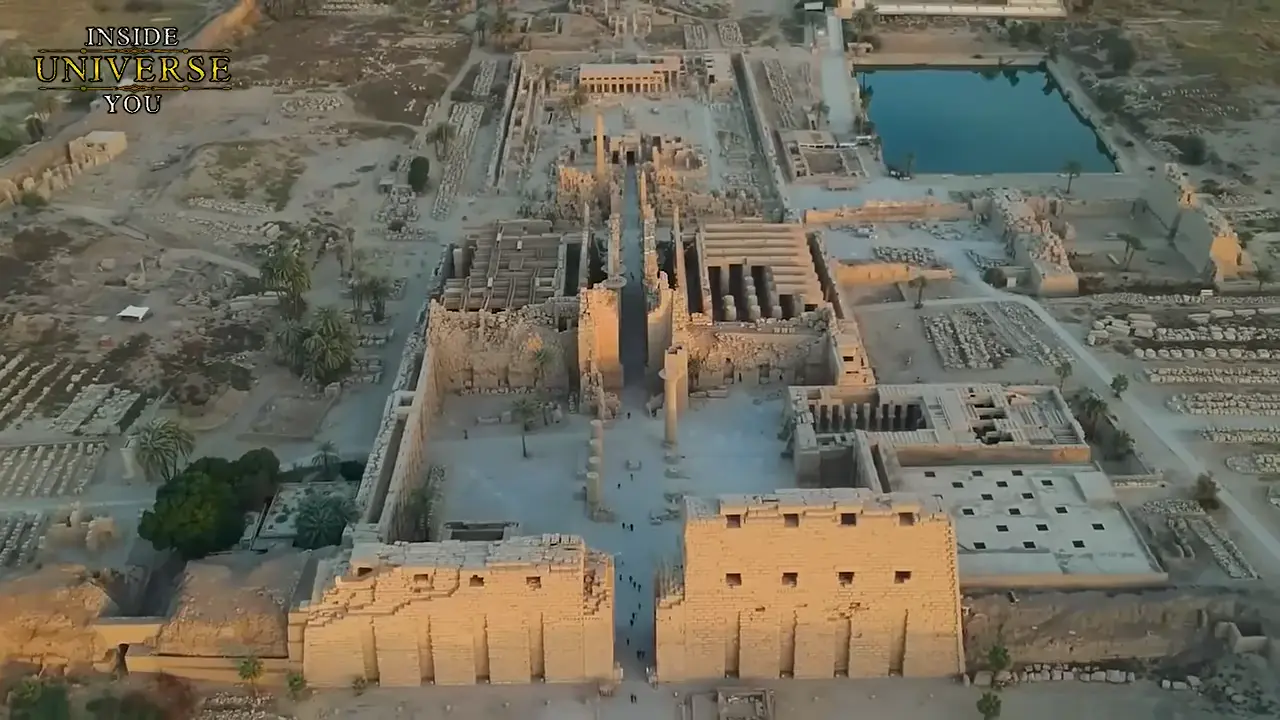
Key facts
- Expanded by pharaohs for more than 2,000 years at Thebes (modern Luxor)
- Covers more than 200 acres, dedicated primarily to Amun-Ra
- Great Hypostyle Hall covers more than 50,000 sq ft and contains 134 colossal columns, with the tallest reaching nearly 70 ft
- Column capitals resemble blooming papyrus plants
- Single-piece granite obelisks transported hundreds of miles from Aswan; Hatshepsut's obelisk stands nearly 100 ft tall and weighs more than 300 tons
- Main temple axis aligned with winter solstice sunrise
Was this story useful?
Keep exploring
Every site on this page sits on the globe, and the people who research them are on the Discord.
3D Globe · Sites by country · Story Archive · Research Library · Weekly Journal · Search
AI-generated text · images from the original sources · always verify with the sources.