

During the late Sengoku period (mid-16th century), Japanese builders developed advanced Cyclopean polygonal masonry for samurai castles. These fitted stone walls proved remarkably water and earthquake resistant, a major advancement over earlier fortifications. This technique was employed in castles like Himeji (expanded extensively in the 1580s-1600s) and Osaka Castle (1583). Historically, over 5,000 castles were built across Japan, but fewer than 100 of the original structures survive today. The technique declined as the Edo period shogunate centralized power and ended most castle construction around 1615.
Japanese polygonal masonry appeared 1543 for samurai castles
 JapanArchitecture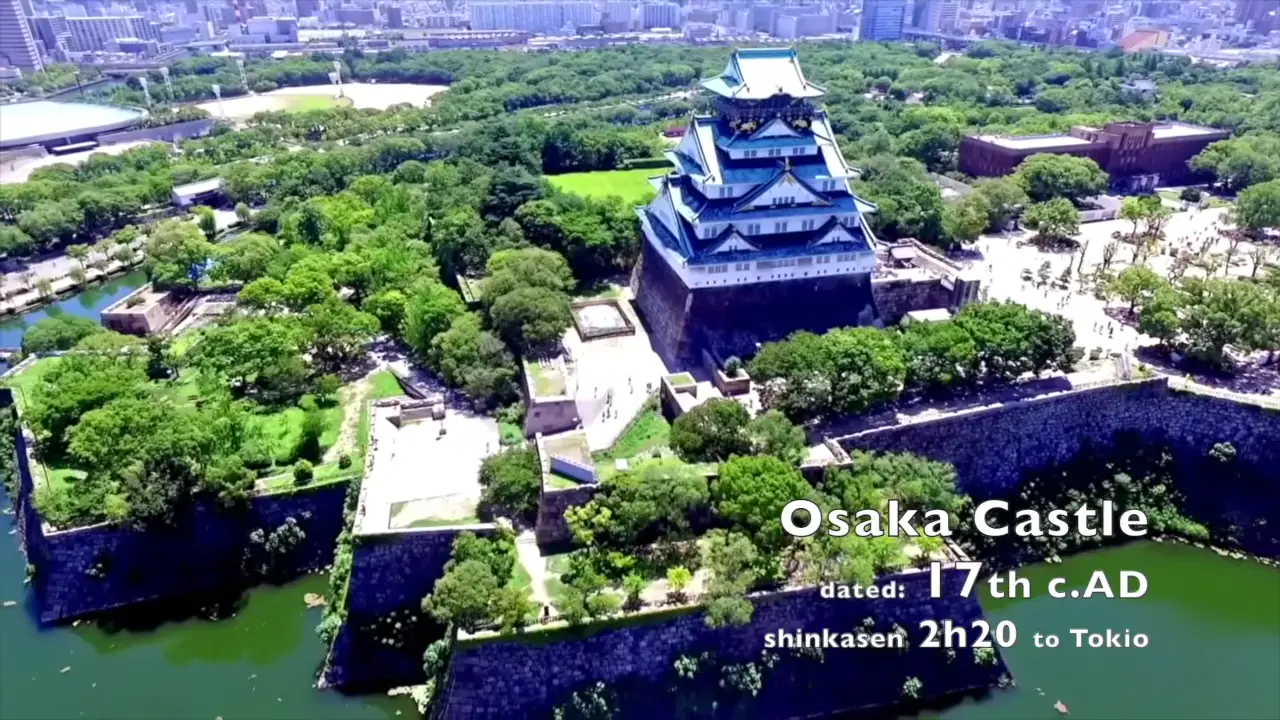
Key facts
- Japanese polygonal masonry appeared around 1543, coinciding with Portuguese arrival
- Built for samurai castles such as Himeji and Osaka Castle
- Up to 5,000 castles existed historically; less than 100 remain today
- Polygonal walls are water-resistant and earthquake-resistant
- The technique lasted only about 100 years before declining
- Edo period (1603-1867) ended castle construction as shoguns consolidated power
- The Meiji Restoration in 1867 and WWII bombings destroyed most original structures
Site mentioned
Sources
Himeji Castle Historyhimejicastle.jp
Stone Walls. Japanese castle buildings are made of wood, but they sit atop foundations of earth and stone. Stone retaining walls of the kind used at Himeji were ...
Himeji Castle, a World Heritage Site - NIPPONIAweb-japan.org
Stone foundation walls and ramparts provided extra defense, some standing between enclosures and passageways, making enemy penetration exceedingly difficult.
The Architecture of Medieval Japan's Himeji Castle - Brewminatebrewminate.com
The walls have a total length of 4.8 km (3 miles) and some sections reach a height of 26 metres (85 ft). Such was the prodigious quantity of ...
Himeji Castle - Wikipediaen.wikipedia.org
Himeji Castle is the largest and most visited castle in Japan, and it was registered in 1993 as one of the first UNESCO World Heritage Sites in the country.
Himeji Castle - Main Compounds - Jcastle.infojcastle.info
Main Compounds of Himeji Castle. This is mostly the area that typical tourists would visit and are primarily beyond the ticket counter.
Was this story useful?
Keep exploring
Every site on this page sits on the globe, and the people who research them are on the Discord.
3D Globe · Sites by country · Story Archive · Research Library · Weekly Journal · Search
AI-generated text · images from the original sources · always verify with the sources.