

📜 Over 30,000 cuneiform tablets from Hattuşa Örenyeri link Homer's epics to history. A 1280 BCE treaty mentions Alexandu (Paris) of Wilusa—believed to be Troy—with a god Apaliunas (Apollo) as guarantor. Later letters describe conflicts between Hittites and the Ahhiyawans, likely the Mycenaeans (Homer's Achaeans).
Hittite tablets link Wilusa to Troy and Achaea to Ahhiyawa
 TürkiyeGeneral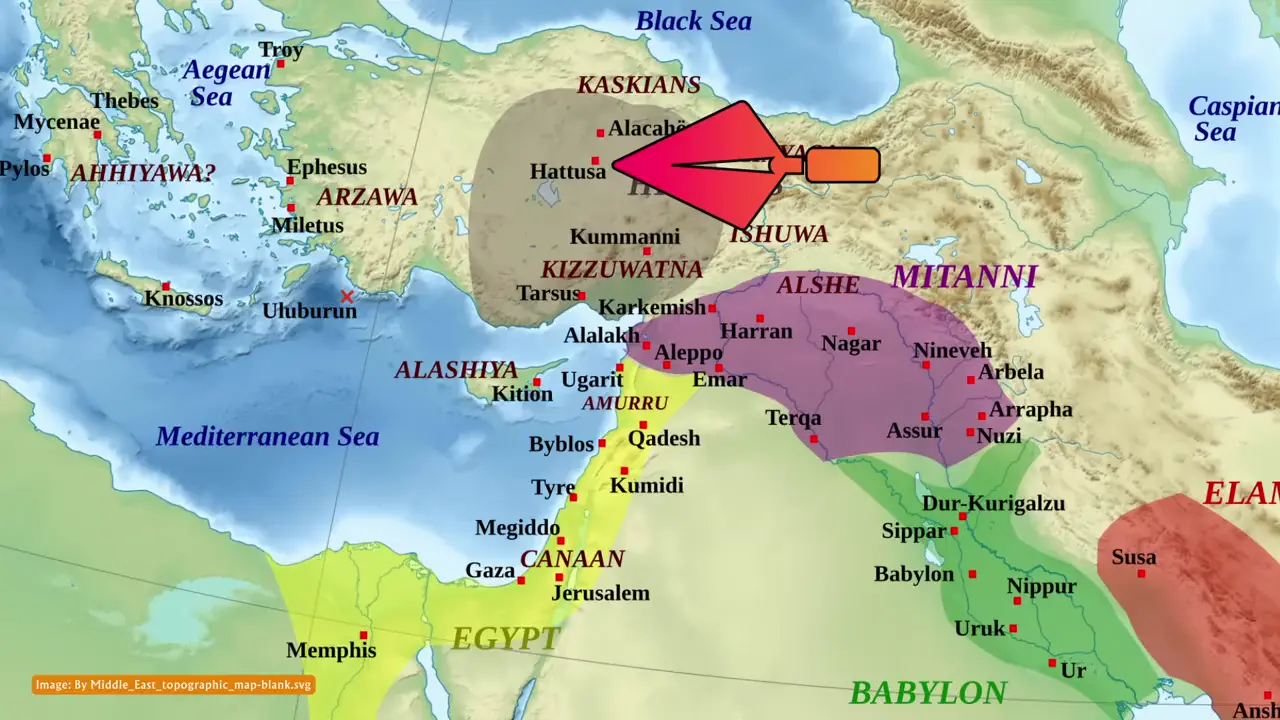
Key facts
- Over 30,000 cuneiform tablets and fragments have been recovered from Hattuşa Örenyeri, the capital of the Hittite Empire, and other Hittite sites
- A tablet from Bogazkoy dating to 1280 BCE records a political alliance between the Hittites and a ruler named Alexandu (Alexandros) of Wilusa
- Wilusa is believed to be the Hittite name for Ilios/Ilian/Troy, which is the basis for the title The Iliad
- Alexandu corresponds to Paris, son of King Priam in the Iliad, though this individual lived at least 50 years before the traditional Trojan War period
- One of the three gods guaranteeing the treaty on Alexandu's side is the storm god Apaliunas, equated with Apollo, the divine champion of the Trojans in the Iliad
- The Tawagalawa letter from 1250 BCE describes resolved hostilities between the Hittites and the Ahhiyawans over Wilusa
- The name Ahhiyawa is similar to Achaea, the name Homer uses for Greece, leading scholars to identify the Ahhiyawans with the Mycenaeans
Site mentioned
Was this story useful?
Keep exploring
Every site on this page sits on the globe, and the people who research them are on the Discord.
3D Globe · Sites by country · Story Archive · Research Library · Weekly Journal · Search
AI-generated text · images from the original sources · always verify with the sources.