

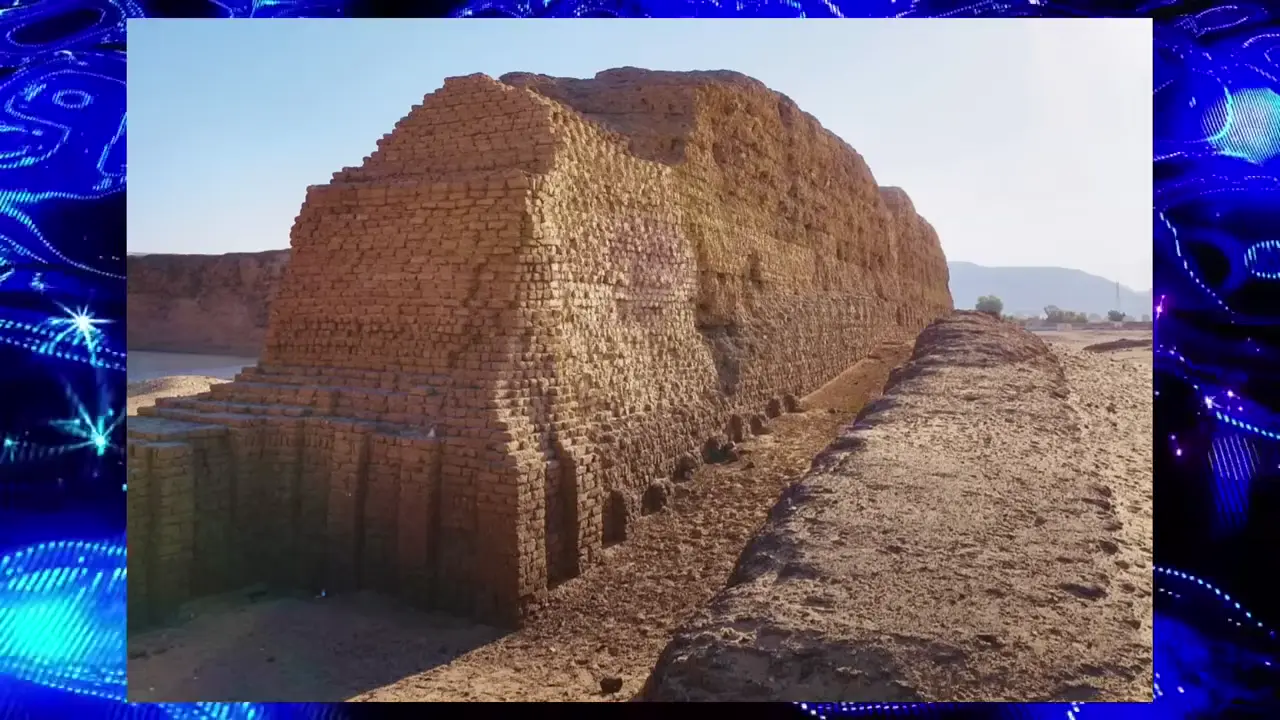
14th-century traveler Ibn al-Durayhim (1312-1351) described a smaller mud-brick structure faced with stone that was already in poor condition when he found it. Since then, researchers like Bassam el-Shammaa (2011) and Cannon/Hutton (2017) have proposed other candidates. Mainstream Egyptology remains unconvinced. A 2024 Italian team SAR scan detected another mound, but it's likely too recent to be ancient.
Historical claims of a second Sphinx found unsubstantiated by mainstream Egyptology
Key facts
- 14th-century traveler Aladrezi described a smaller mud-brick sphinx faced with stone that was already in poor condition when he found it
- The Nile has shifted since then, likely washing away any evidence
- Egyptologist Basan El Shama claimed in 2011 a second sphinx existed to the north of the Great Sphinx and was destroyed by lightning
- Archaeologist Dr. Rita Abdel Haleem claimed an outcrop of rock was the second sphinx
- In 2017, Jerry Cannon and Malcolm Hutton claimed a second sphinx lay beneath an unexcavated mound
- The Coffrey scan team used synthetic aperture radar in 2026 to claim discovery of another mound
- Mainstream Egyptology responded tepidly to these claims
- The speaker argues the mound cited by the Coffrey scan team was not there 100 years ago, making it an unlikely location for an ancient sphinx
Sources
Second sphinx buried under sand suggests 'megastructure' below ...aol.com
The wood was reportedly in “poor condition,” sparking a race against time to preserve what's left. “The mission's restoration team carried ...
Was this story useful?
Keep exploring
Every site on this page sits on the globe, and the people who research them are on the Discord.
3D Globe · Sites by country · Story Archive · Research Library · Weekly Journal · Search
AI-generated text · images from the original sources · always verify with the sources.