

The geopolymer casting theory for Osireion remains controversial rather than established. Scientific literature explicitly states hypotheses that large building stones were cast, as opposed to carved, are 'not supported by' the evidence (per Mineralogical, Petrological, and Radioactivity Aspects study). While screeding marks have been cited by casting theory proponents as evidence, this interpretation is disputed. The appearance of varying surface conditions between wall sections remains subject to alternative explanations. This post presents the casting hypothesis as more definitive than the evidence supports.
Evidence Supports Cast Stone Construction at Osireion
Site mentioned
📍 Osireion🌍 Show on the globe
Key facts
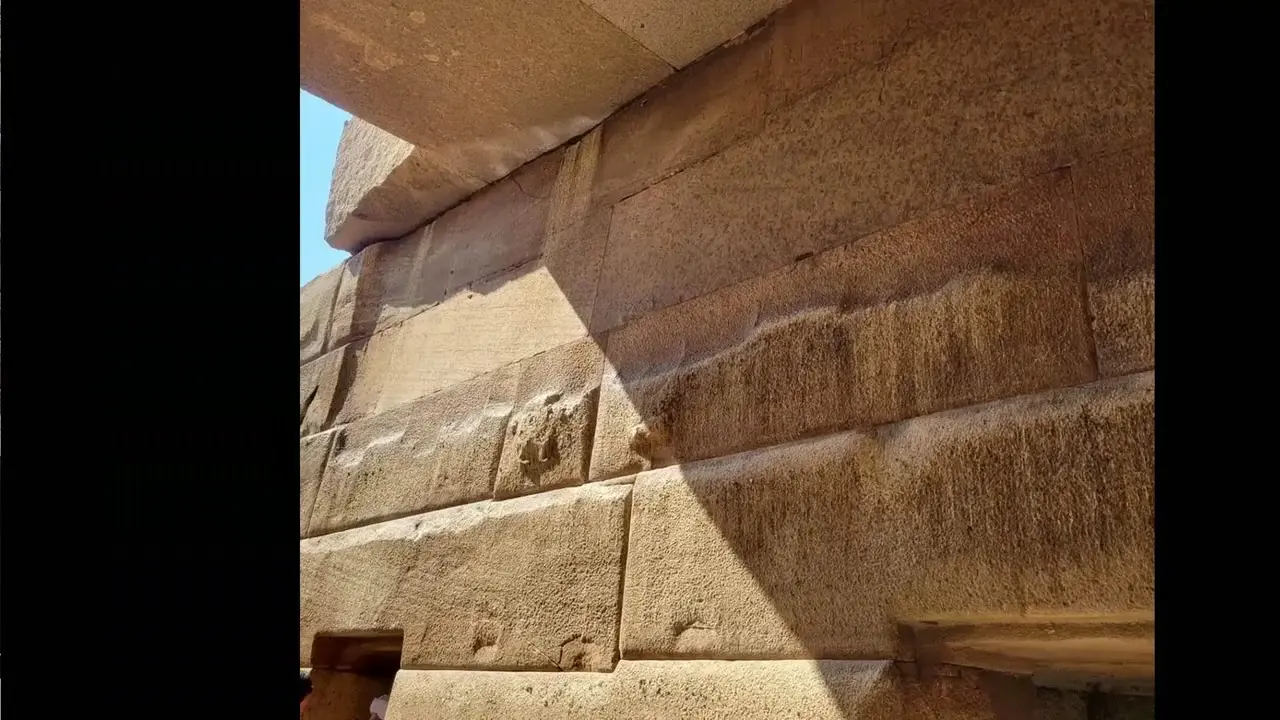
- Screeding marks found on Osireion walls indicate stone blocks were cast rather than carved
- Screeding is a procedure used in modern concrete projects to redistribute and flatten pliable material
- Upper portions of walls are flat while lower blocks remain puffy and bulging - frozen in work-in-progress mode
- Similar screeding marks found at Menkaure pyramid granite casings in both sandstone and granite
- Cast construction explains oversized blocks, sharp 90-degree edges, tight seams, polygonal features, knobs, and mortise and tenon joints
- Mortise and tenon joints in granite blocks would be extremely difficult even with modern equipment
Sources
llnl.gov
Linked in video description
books.gw-project.org
Linked in video description
archaeologicalresource.com
Linked in video description
Was this story useful?
Keep exploring
Every site on this page sits on the globe, and the people who research them are on the Discord.
3D Globe · Sites by country · Story Archive · Research Library · Weekly Journal · Search
AI-generated text · images from the original sources · always verify with the sources.