

Two controversial Olmec sculptures have sparked debate over whether they show humans with African features. New analysis suggests El Negro actually depicts a spider monkey spirit being, and head two's 'braids' are quetzal feathers from a helmet rather than hair. Scholars note Olmec art frequently transformed humans into animals and back.
El Negro and head two braids likely depict quetzal feathers and spider monkeys, not Africans
Key facts
- Only one Olmec head (head two from Tres Zapotes) has potential braids
- El Negro and head two date to Epi-Olmec levels after 500 BCE, roughly 1,000 years after Olmec civilization began
- The 'braids' on head two come off the top of the helmet, resembling quetzal feathers more than hair
- El Negro (Sterling Monument F) is a tenon stone designed to protrude from a building facade
- La Venta Monument 56, nicknamed 'the monkey,' has a similar afro-looking hair carved into its head
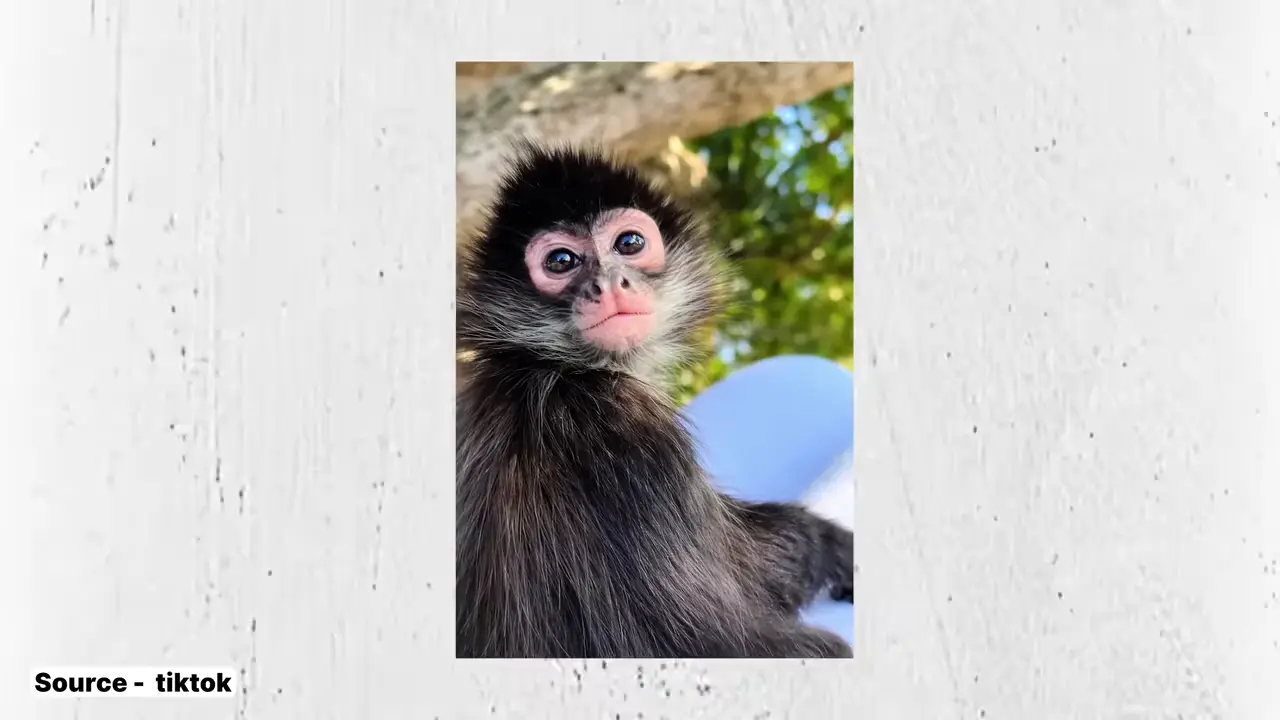
- Spider monkeys in Maya and Aztec art display diagnostic white facial coloring with black hair on top and a widow's peak
- Scholars suggest El Negro depicts a spider monkey rather than a human of African descent
- Olmec art frequently transforms humans into animals and back
Sources
[PDF] Literary monuments: Home as a commemorative novelinstitucional.us.es
En Home, la conmemoración tiene como trasfondo la Guerra de Corea (1950-53), el racismo y la segregación en la época previa al Movimiento de Derechos Civiles,.
Profile - Colorado Natural Heritage Programcnhp.colostate.edu
Major River Basin Geography and Land Ownership ; Manti-La Sal National Forest, 27,123, 1% ; San Juan National Forest, 542,600, 19% ; Total State Lands, 54,932, 2%.
African-American Bibliography | Reference | Home | Texas Techdepts.ttu.edu
Selected bibliographies for the Southwest Collection / Special Collections Library at Texas Tech University.
Part I | FHWA - Department of Transportationhighways.dot.gov
On April 12, 1929, Mrs. Moss visited Bethesda to see the site of the final monument that would be dedicated at Wisconsin and Montgomery Avenues.
[PDF] Camp Elizabeth, Sterling County, Texas - SFA ScholarWorksscholarworks.sfasu.edu
Camp Elizabeth, Sterling County, Texas: An Archaeological and Archival. Investigation of a U.S. Army Subpost, and Evidence Supporting Its ...
Was this story useful?
Keep exploring
Every site on this page sits on the globe, and the people who research them are on the Discord.
3D Globe · Sites by country · Story Archive · Research Library · Weekly Journal · Search
AI-generated text · images from the original sources · always verify with the sources.