

Cyclopean masonry pre-dates the Iron Age. When iron tools arrived, stone cutting became faster, and 3D puzzle-like fitting was no longer necessary. Romans then switched to mortar and squared ashlar blocks.
Cyclopean masonry techniques and construction characteristics
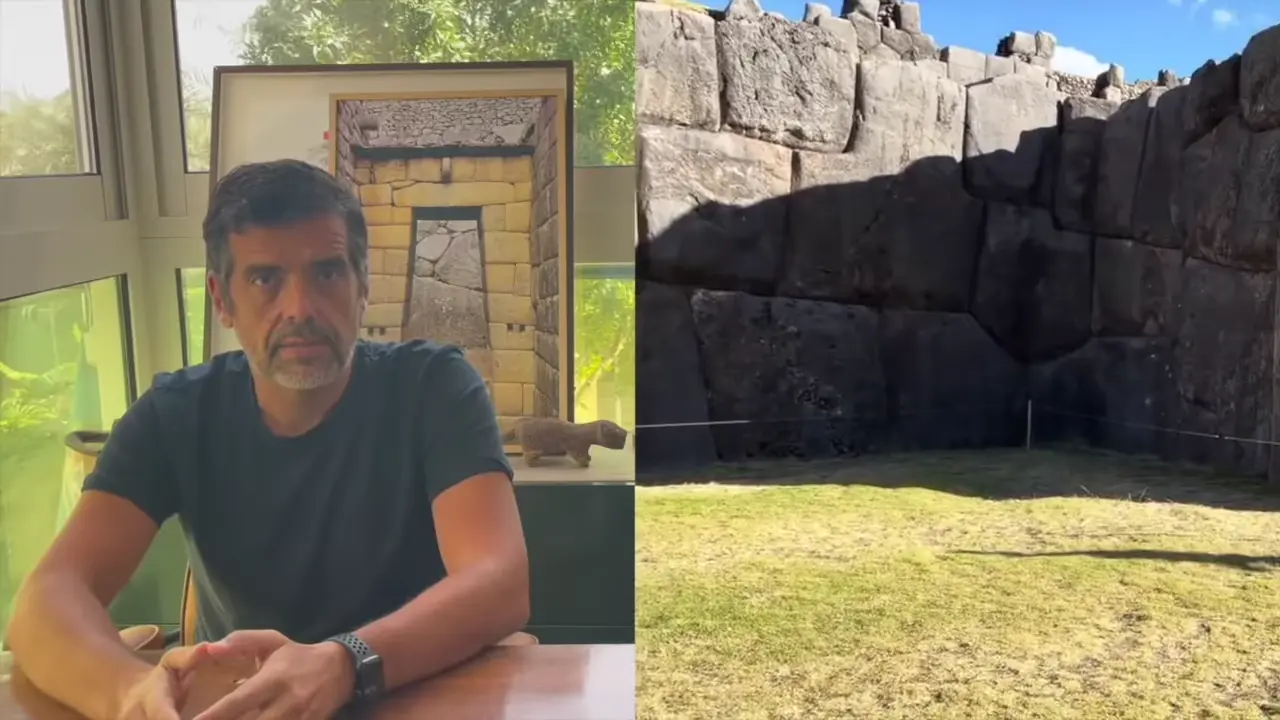
Key facts
- Cyclopean walls pre-date Iron Age - iron tools made stone cutting faster and eliminated need for 3D puzzle-like stone fitting
- Polygonal masonry requires long-term planning, knowledge buildup, and hard work - built to last ages
- Cyclopean walls are typically the oldest construction at sites where found
- Key construction factors: stone size (largest at Pyrgi), fitting tightness, slope angle, stone depth (must be fully 3D, not superficial)
- Stone hardness matters - Etruscans used soft Tufo stone resulting in mostly lost structures
- Etruscans built in soft Tufo stone while older cyclopean walls used moderately to hard rocks
- More facings on stones increases assembly difficulty - Amelia has most striking multifaceted stones
- Romans preferred mortar and squared ashlar blocks - cyclopean masonry disappeared in Bronze Age after iron was introduced
Sources
analecta praehistorica leidensiasidestone.com
The approximate age of 300 to 400 ka makes the collagen samples among the oldest ever analyzed. In order to compare the results from Schöningen ...
The Stone age and The Iron age (highlights)prezi.com
2.6 Million years ago The Stone Age began about 2.6 million years ago, when researchers found the earliest evidence of humans using stone tools, ...
THE CITY OF THE SAINTSiapsop.com
I need hardly say that this elaborate account of the Holy City of the West and its denizens would not have seen the light so soon after the appearance of a " ...
Metabarons: Universe Guidei.4pcdn.org
Slowly, step by little step, I was going to give them the keys to the Incal Universe, which is the same as the Metabarons and TechnoPriests. A hugely immense “ ...
&w Yorh.nyc.gov
cutting drains ; they would vary the plan of drain- age, while the last is necessary so that no lake need be formed which at any time would become dry or.
Was this story useful?
Keep exploring
Every site on this page sits on the globe, and the people who research them are on the Discord.
3D Globe · Sites by country · Story Archive · Research Library · Weekly Journal · Search
AI-generated text · images from the original sources · always verify with the sources.