

The 1988 Shroud of Turin radiocarbon dating remains controversial. The AMS method was only ~11 years old and unproven on cloth. Statisticians flagged suspicious methodology, with labs discarding outliers to reach 95% confidence (1260-1390). Raw data wasn't released until a 2017 FOIA request, 29 years later. 🧵
Controversies and methodology flaws in the Shroud of Turin's 1988 carbon dating
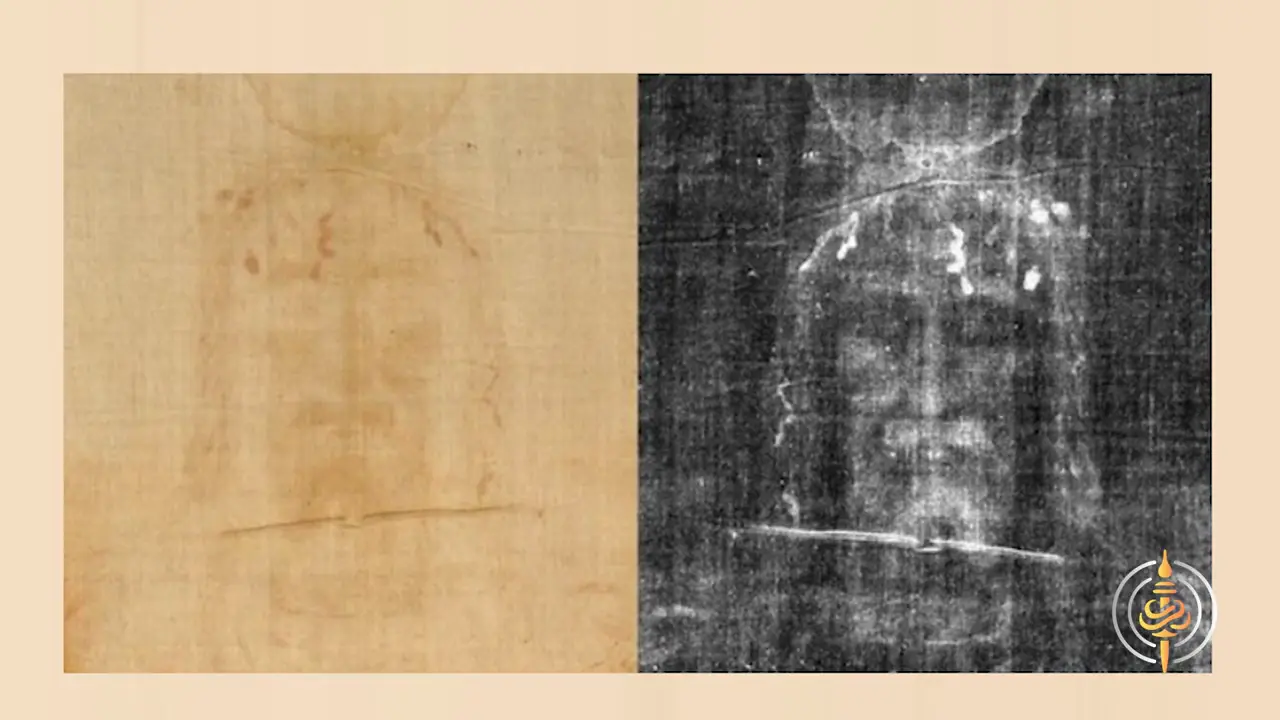
Key facts
- Radiocarbon dating method was invented in the 1950s and initially required a handkerchief-size sample.
- Accelerator mass spectrometry (AMS), which can date threads, was invented in the late 1970s.
- The Shroud was radiocarbon dated in 1988, when the AMS method was only about 11 years old and considered unproven on cloth.
- A three-day planning meeting was held in Turin in 1986 with the cardinal; nearly all proposed protocols were ultimately ignored.
- Raw data was not released until a 2017 Freedom of Information Act request, 29 years after the dating.
- Statisticians found the methodology and statistics suspicious, noting that labs threw out outliers to achieve the 95% confidence factor.
- The dating placed the Shroud between 1260 and 1390 with 95% confidence, but without discarding outliers that figure could not be reached.
- The Shroud has been above ground since at least the 1350s, making it a poor candidate for C14 dating since the method works best on buried materials.
Sources
Analysis of textile fragments from the 1988 radiocarbon samples ...nature.com
by R Freer-Waters · 2026 — The Turin Shroud is a widely studied textile bearing the image of a human figure. Since the radiocarbon (14C) dating conducted in 1988 by ...
evidence for the skewing of the c-14 dating of the shroud of turin due to ...semanticscholar.org
In 1988, Carbon-14 findings from three Accelerator Mass Spectrometer (AMS) Labs independently dated a sample removed from the Shroud of Turin: unarguably ...
Radiocarbon dating of the Shroud of Turinen.wikipedia.org
In 1988, scientists at three separate laboratories dated samples from the Shroud to a range of 1260–1390 AD, which coincides with the first certain appearance ...
Radiocarbon Dating of the Shroud of Turinshroud.com
Very small samples from the Shroud of Turin have been dated by accelerator mass spectrometry in laboratories at Arizona, Oxford and Zurich.
The Radiocarbon Dating of the Shroud of Turin - PMC - NIHpmc.ncbi.nlm.nih.gov
by P Di Lazzaro · 2020 · Cited by 18 — These analyses suggest that the 1988 radiocarbon dating does not match the current accuracy requirements.
Was this story useful?
Keep exploring
Every site on this page sits on the globe, and the people who research them are on the Discord.
3D Globe · Sites by country · Story Archive · Research Library · Weekly Journal · Search
AI-generated text · images from the original sources · always verify with the sources.