

At El Castillo pyramid in Chichen Itza, the famous feathered serpent descends not at sunrise but at 4:30-4:40 PM. Shadows create wavy chevron patterns sliding down the staircase, representing the serpent slithering toward the underworld. The pyramid's four sides symbolize four seasons. A guard revealed that during a full moon at equinox, the same shadow effect occurs at night - the moon casting a lunar serpent across the steps. COVID lockdown meant the site was empty when this was witnessed firsthand.
Chichen Itza equinox shadow effect: serpent descends El Castillo pyramid at 4:30-4:40 PM
 PeruArchaeoastronomy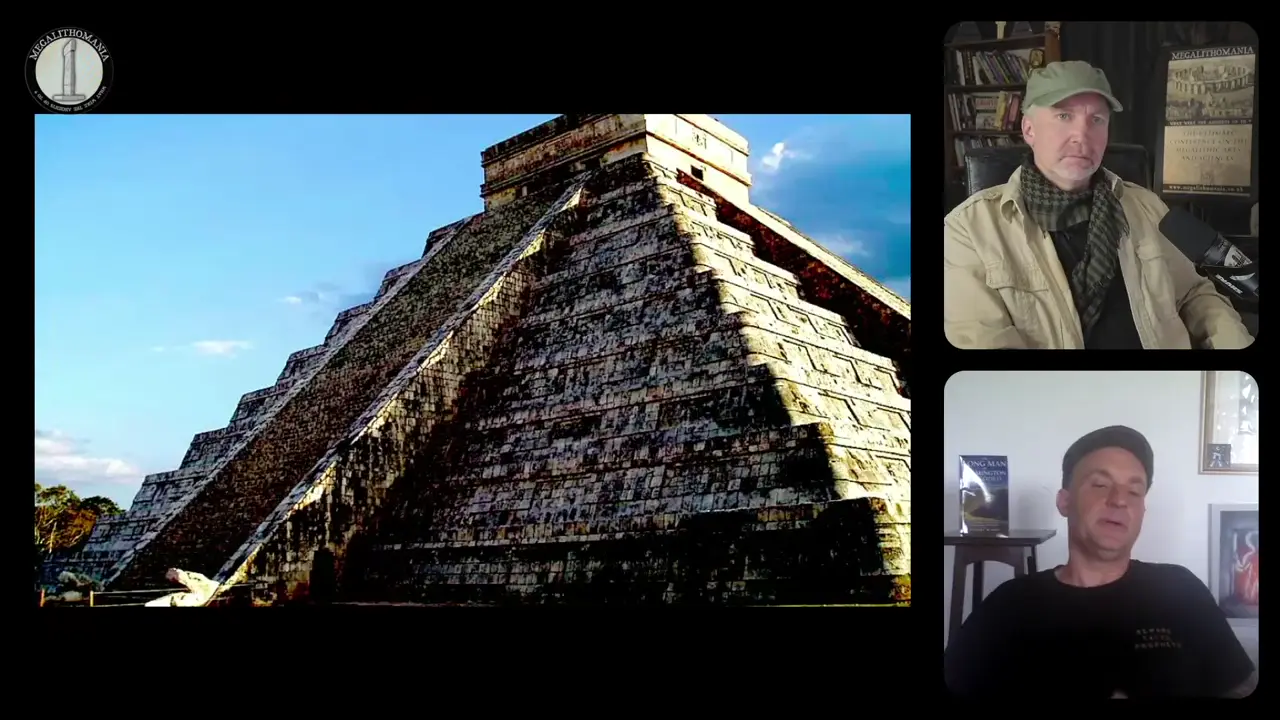
Key facts
- On spring and autumn equinoxes, shadows on El Castillo pyramid create a serpent sliding effect
- The phenomenon occurs at 4:30-4:40 PM, not at sunrise or sunset
- The shadow creates wavy chevron or triangle patterns representing the serpent's slithering and sliding
- This effect connects to Kukulcan (Feathered Serpent) mythology
- The pyramid symbolizes four sides representing four seasons
- A guard revealed that during the full moon at equinox, a lunar shadow creates the same effect at night
- The site was locked during COVID when Stuart witnessed the equinox effect personally
Site mentioned
Sources
Kukulkan Pyramid Equinox - Chichen Itzachichenitza.com
The shadow effect that the mayans created, showcases a 120 ft length snake creeping downstairs until it joins a huge serpent's head at the bottom of the ...
El Castillo, Chichen Itza - Wikipediaen.wikipedia.org
Plumed Serpent on Kukulcán. Shadows cast on Kukulcán during Equinox at Chichen Itza.
El Castillo - Ancient Observatories: Chichén Itzáannex.exploratorium.edu
As the equinox sun sets, a play of light and shadow creates the appearance of a snake that gradually undulates down the stairway of the pyramid. This diamond- ...
The descent of the serpent in the Chichen Itza Equinoxmayanpeninsula.com
The effect lasts a few minutes and is made when the sun casts the shadow onto the stairway created by the 9 platforms resembling the body of the serpent that ...
The Equinox at Chichén Itzánaatikmexico.org
During the equinox, you can bear witness to a magical optical illusion of a snake descending the pyramid of Kukulcán.
Was this story useful?
Keep exploring
Every site on this page sits on the globe, and the people who research them are on the Discord.
3D Globe · Sites by country · Story Archive · Research Library · Weekly Journal · Search
AI-generated text · images from the original sources · always verify with the sources.