

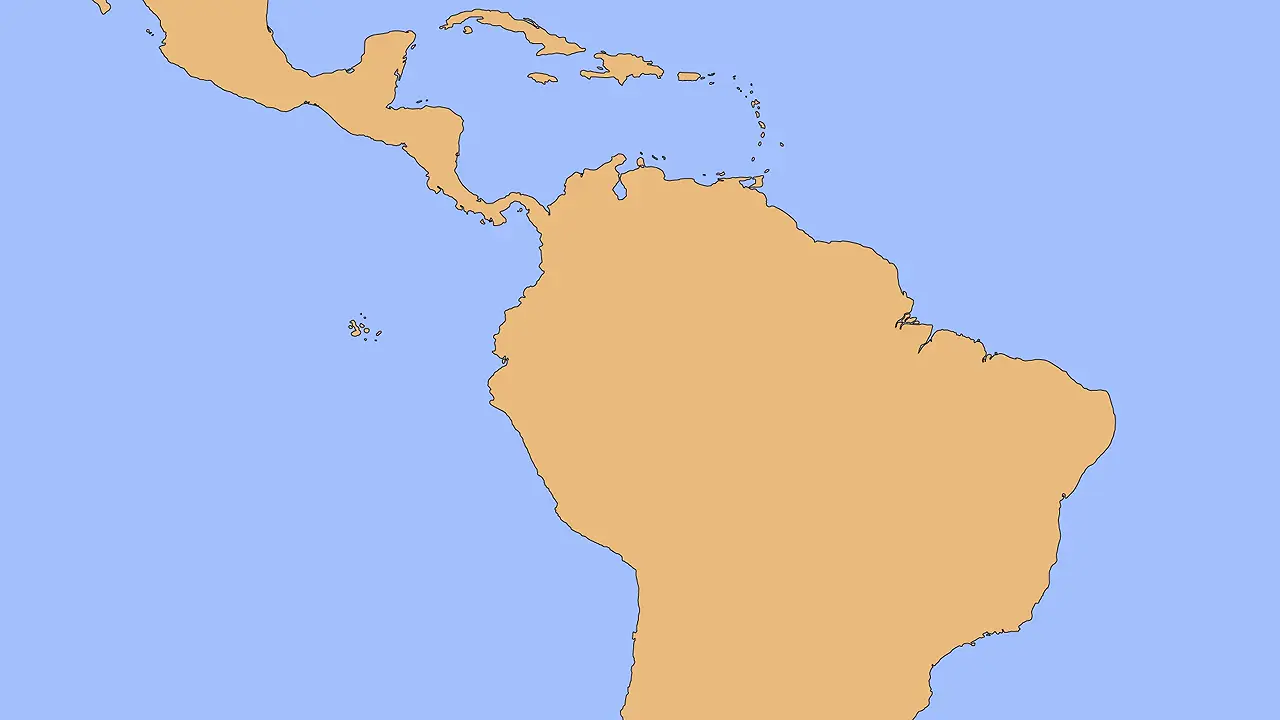
All chilies belong to genus Capsicum in the nightshade family, cousins of potato, tomato and eggplant. Genetic sequencing puts the split from the Solanum clade ~19 million years ago around Peru, Ecuador and Colombia, with northward spread ~10 million years later. Capsaicin-immune birds scattered seeds, explaining endemic species in the Galápagos 🌶️🐦
Capsicum genus origins in South America and spread by capsaicin-immune birds
Key facts
- All chilies belong to the genus Capsicum in the Solanaceae family, which also includes potato, tomato, eggplant and tobacco; the genus has over 30 species of perennial shrubs bearing berry fruits.
- Capsaicin is the alkaloid that gives chilies their pungency and is unique to the genus; it is detectable at a dilution of one part in 11 million.
- Scoville heat units come from a test invented in 1912 by Wilbur Scoville, who dissolved peppers in alcohol and mixed the extract into sugar water for panel tasting; modern measurement uses high-pressure liquid chromatography.
- Heat scale cited: bell pepper 0, poblano 1,000-1,500, jalapeno 4,000-8,500, Tabasco 30,000-50,000, habanero 100,000-350,000, Carolina Reaper over 1.5 million units.
- Capsaicin is synthesized in the placenta (inner fruit surface) and, in superhot varieties, also in the pericarp.
- Traditionally the genus origin was placed in northern Bolivia and southern Brazil based on wild diversity; a recent phylogenetic study based on new genetic sequencing puts the split of Capsicum from the Solanum clade about 19 million years ago in the region of modern Peru, Ecuador and Colombia, with northward spread around 10 million years ago.
- Fruit-eating birds are immune to capsaicin and disperse seeds after ingestion (ornithochory), which accounts for endemic pepper species in the Galapagos and native species on Caribbean islands.
- Literature generally dates chili domestication to between 7,000 and 5,000 BCE, making peppers among the oldest domesticated crops in the Americas; chilies were domesticated multiple times from several different species.
Sources
docs.google.com
Linked in video description
Details - The taxonomy of the genus Capsicum (Solanaceae)biodiversitylibrary.org
Details for The taxonomy of the genus Capsicum (Solanaceae) in the Biodiversity Heritage Library.
The taxonomy of the genus Capsicum (Solanaceae)biostor.org
The taxonomy of the genus Capsicum (Solanaceae). W H Eshbaugh. Published in Phytologia, in 1980, in volume 47, pages 153-166. Date published:1980.
An amazing new Capsicum (Solanaceae) species from the ...phytokeys.pensoft.net
by GE Barboza · 2020 · Cited by 42 — This new species belongs to the Andean clade (all species 2n = 26) of Capsicum ifolium Barboza & S.Leiva … from the Latin regalis, royal or ...
Solanaceaeen.wikipedia.org
The family Solanaceae contains such important food species as the potato (Solanum tuberosum), the tomato (Solanum lycopersicum), the pepper (Capsicum sp) and ...
Capsicumen.wikipedia.org
Capsicum is a genus of flowering plants in the nightshade family Solanaceae, native to the Americas, cultivated worldwide for their edible fruit, ...
Was this story useful?
Keep exploring
Every site on this page sits on the globe, and the people who research them are on the Discord.
3D Globe · Sites by country · Story Archive · Research Library · Weekly Journal · Search
AI-generated text · images from the original sources · always verify with the sources.