

Burdock piling: Japanese castle walls fitted without mortar so stones shift during earthquakes—similar to ancient Peruvian stonework. Brilliant engineering.
Boerdo piling technique: earthquake-resistant polygonal masonry used in Japanese castles
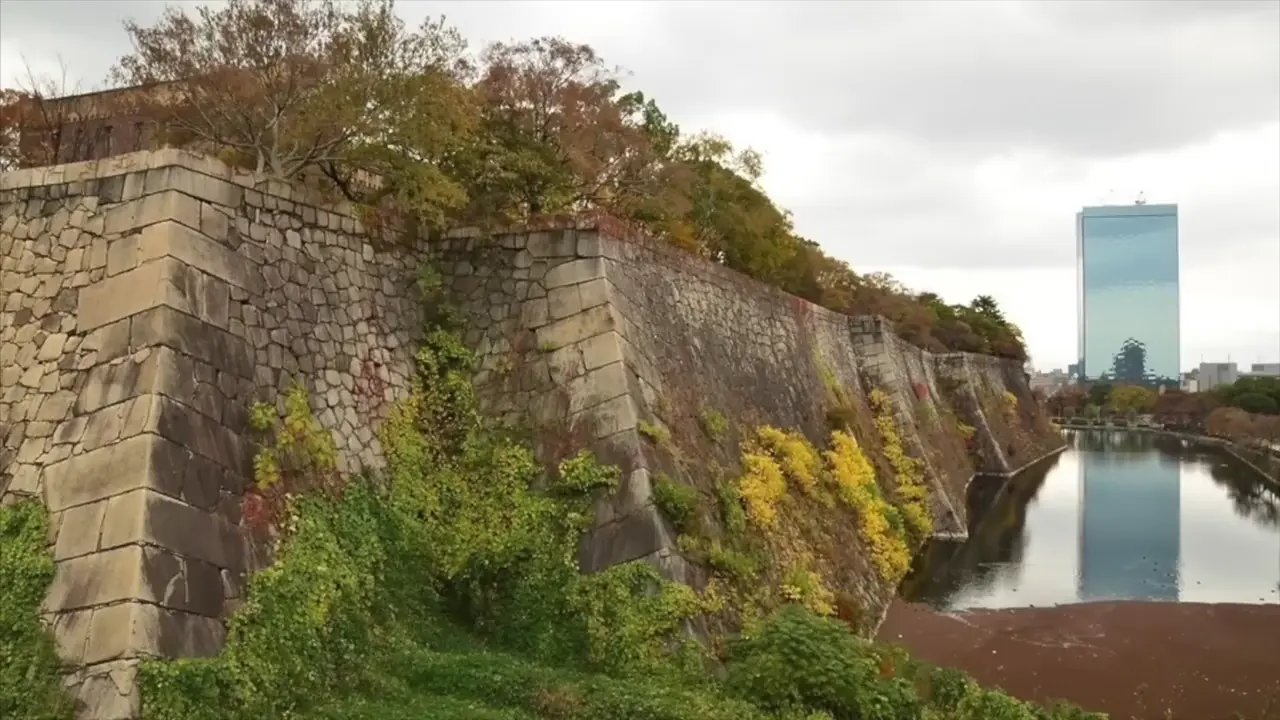
Key facts
- Boerdo piling is a Japanese technique for building stone walls using large rocks fitted together with cracks filled by pebbles and smaller stones
- The technique creates sloped walls with ovate shapes resembling Japanese boerdo plant blossoms
- No mortar was used, allowing stones to move slightly during earthquakes without causing wall damage
- Boerdo piling evolved from an earlier technique called disordered piling
- Polygonal masonry with interlocking stones provides more stability than regular brick walls with mortar
- This engineering style is similar to ancient Peruvian stonework
- The technique was essential for structures in earthquake zones like Japan and Peru
Sources
Ancient Incans Earthquake Proof Walls Inspire These 3-D Printed ...fastcompany.com
The brilliant ancient civilization figured out how to make seismically stable structures using stones that fit together like Legos.
Burdock piling - Grokipediagrokipedia.com
Workers fit each roughly cut or naturally formed stone without mortar, relying on their burdock-root-like shape with large depth relative to exposed width to ...
Burdock piling - Wikipediaen.wikipedia.org
This stone fill is called kuri ishi (栗石, chestnut stones) because of their small size. No mortar was used in the building of castle walls, which allowed the ...
Was this story useful?
Keep exploring
Every site on this page sits on the globe, and the people who research them are on the Discord.
3D Globe · Sites by country · Story Archive · Research Library · Weekly Journal · Search
AI-generated text · images from the original sources · always verify with the sources.