

The Black Pyramid at Dahshur appears dark because its white limestone casing collapsed, exposing the mudbrick core. Built for Amenemhat III, it suffered from foundation instability, not material choices. Some researchers claim molecular-level heat alteration on fragments—suggesting vitrification—but this remains controversial. The central chamber uses massive granite blocks!
Black Pyramid: Ruined monument with vitrification theory
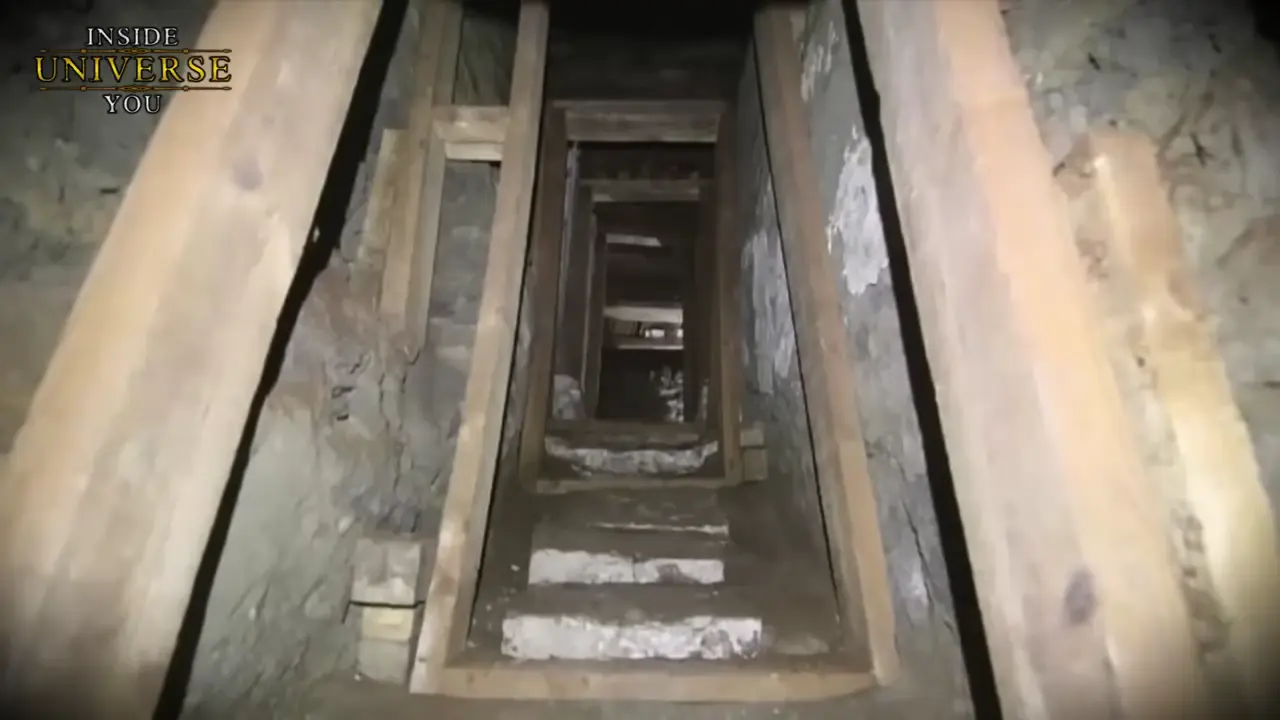
Site mentioned
📍 Black Pyramid
Key facts
- Black Pyramid located at Dahshur, south of Saqqara, east of Bent Pyramid
- Originally encased in white limestone, now appears dark due to exposed mudbrick core
- Base measured roughly 105 meters per side, height estimated at 75 meters
- Casing stone fragments show angles ranging from 54° to 57°
- Alternative theory claims pyramid shows signs of extreme heat alteration at molecular level
- Supporters argue fragments appear warped, fused, and sintered unlike ordinary collapse
- Official explanation: built during reign of Amenemhat III, suffered from poor material choices
- Mudbrick core with heavy limestone casing couldn't support own weight over time
- Ramses the Great stripped casing stone for construction
- Internal design more complex than Old Kingdom pyramids with multiple corridors and chambers
- Central chamber constructed entirely of massive granite blocks
- Contains granite box with near-identical corners measured with modern equipment
- Pyramidion discovered in 1900 in ruined pyramid temple, remains smooth and preserved unlike pyramid
- Pyramidion slopes at 54° angle
Sources
universeinsideyou.systeme.io
Linked in video description
Was this story useful?
Keep exploring
Every site on this page sits on the globe, and the people who research them are on the Discord.
3D Globe · Sites by country · Story Archive · Research Library · Weekly Journal · Search
AI-generated text · images from the original sources · always verify with the sources.