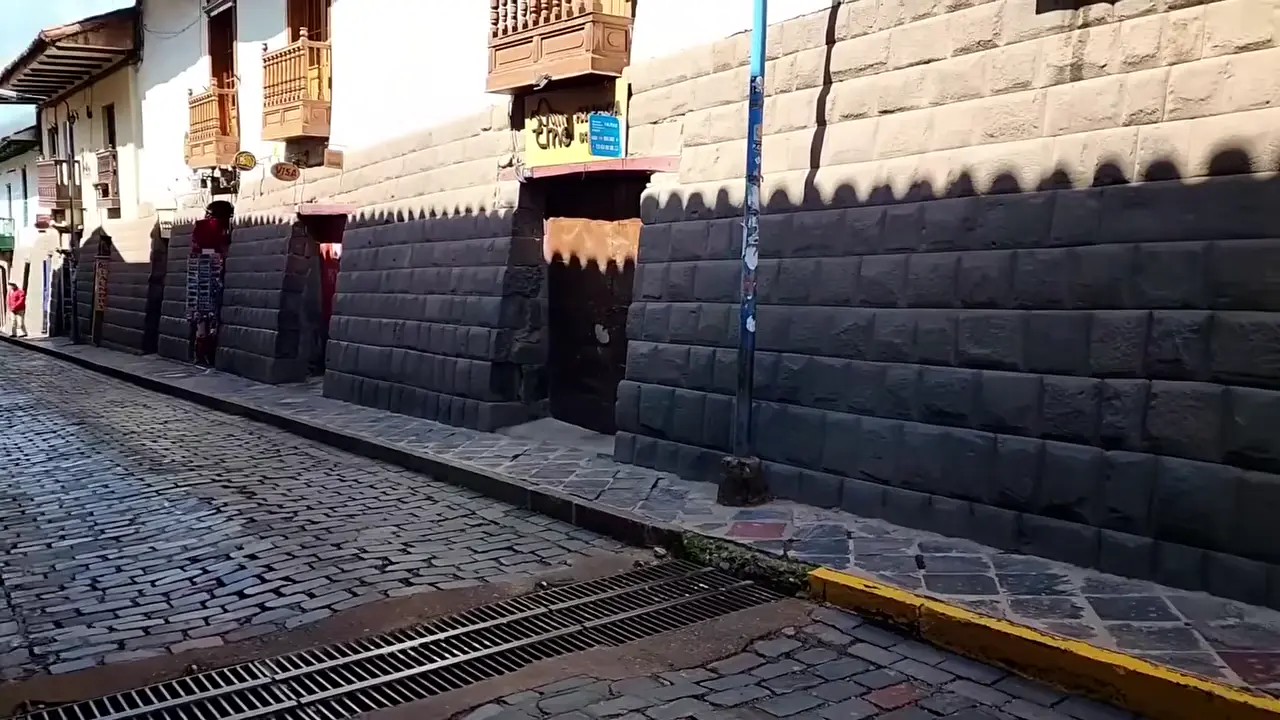
These ancient megalithic walls were earthquake-resistant by design 🏛️ Built with tight-fitting polygonal stones. Andesite stones precisely cut to fit together like Legos. No mortar yet thousands of years of survival. Ancient dry-stone construction techniques allowed structures to flex and shift with seismic forces.
Key facts verified:
- Megalithic walls used earthquake-resistant construction with precisely fitted stones rather than rigid mortar
- No mortar was used in original construction - allowing flexibility and survival over millennia
- Inca and other ancient builders mastered polygonal masonry and precise cuts for seismic stability
- Ancient dry-stone construction techniques remain superior for earthquake resistance compared to rigid mortar-based modern methods
Sources
The Anti-Seismic Megalithic Walls - The Ancient Connectiontheancientconnection.comThese ancient builders utilized a variety of advanced technologies, including polygonal masonry, precise cuts, drill holes, metal clamps, and scoop marks.
The Engineering Secret Behind Machu Picchu's Stonework | HISTORYhistory.comThe dramatic interlocking stone walls at Machu Picchu have proven to be highly earthquake-resistant. Tom Metcalfe. Getty Images/iStockphoto.
Monuments, Megaliths, and Inca Builders - Roseanne Chambersroseannechambers.comOther walls were composed of irregular shaped polygonal blocks that are fit together like a jigsaw puzzle. One famous cut block in a wall in ...
The Enigma of Perfectly Fitted Stones: How the Incas Built Without ...casadelsolhotels.comThe hardness of these materials was crucial for the structures to resist seismic movements, which were frequent in the Andean region. These dense rocks with ...
AI-generated text · images from the original sources · always verify with the sources.