
Amenemhat III's Hawara Labyrinth and Herodotus's Twin 'Pyramids' of Lake Moeris

Pyramid complex3000 - 1500 BC
How We Lost Two Pyramids
Source: How We Lost Two Pyramids by The Historian's Craft

Site mentioned

📄 Pyramid of Amenemhat III at Hawara🗺️ More sites in Egypt🌍 Show on the globe

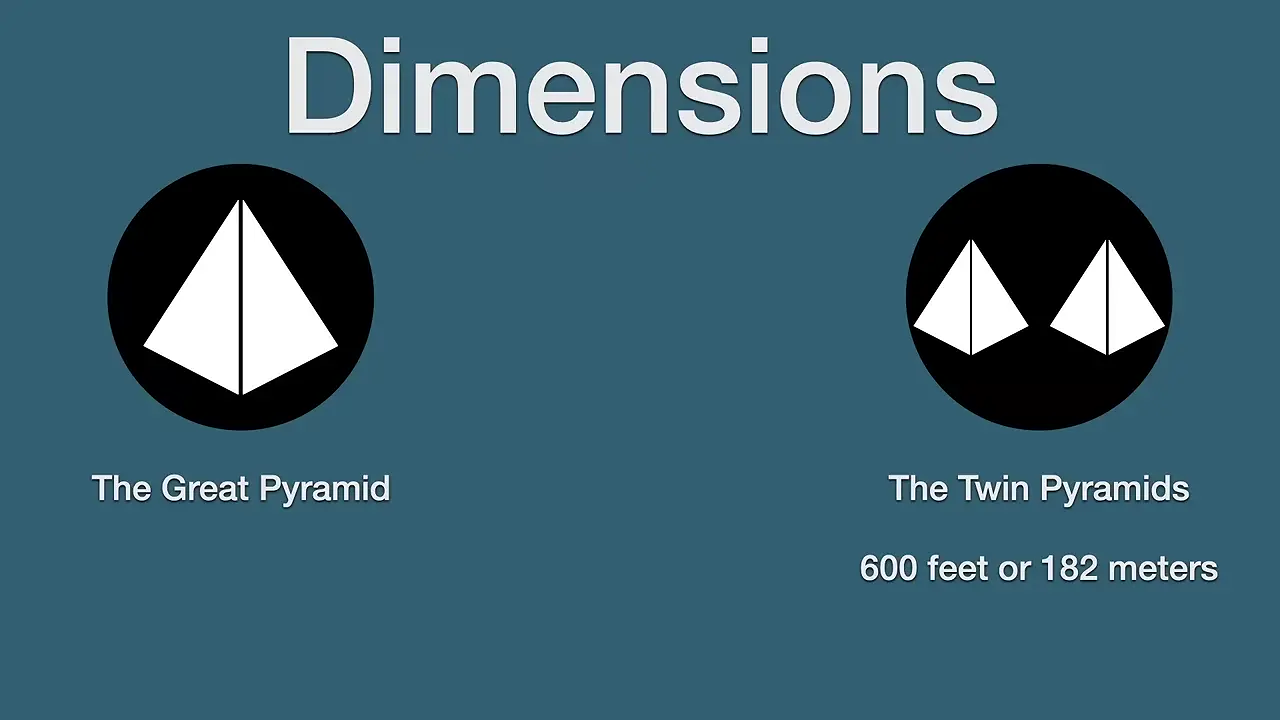
Herodotus described two stone pyramids standing in Lake Moeris, their summits above the water, each 300 feet high (300 cubits in the Greek) and surmounted by a seated stone figure. The video argues that, since the lake was up to 50 fathoms (300 feet) deep, those pyramids could have stood roughly 600 ft (182 m) in total — taller than the Great Pyramid, originally 480 ft (146 m) and now 454 ft (138 m). Most scholars read the two 'pyramids' as the ruined pedestals of Biahmu, once carrying colossal seated statues of Amenemhat III.

Egypt has at least 138 pyramids, from Djoser (~2670 BC) to the Nubian pyramid of Dorkha (660s BC). The 'Egyptian Labyrinth' of classical writers is generally identified with the mortuary temple of Amenemhat III at the Hawara pyramid complex, south of his pyramid near Faiyum (ancient Crocodilopolis), on a site occupied since the 5th millennium BC that featured a temple to Sobek. Lake Moeris survives today only as Lake Qarun. Herodotus's 'city of Gelonus' in Scythia is often, though not conclusively, identified with Bilohrud (Bilsk) in Ukraine. 🏛️

Key facts

  • Egypt has at least 138 pyramids, from the pyramid of Djoser (~2670 BC) to the Nubian pyramid of Dorkha (660s BC)
  • The labyrinth of the classical writers is generally identified with the mortuary temple of Amenemhat III in the Hawara pyramid complex, lying south of his pyramid
  • Amenemhat III was a pharaoh of Egypt's 12th Dynasty (Middle Kingdom)
  • The Hawara pyramid lies near modern Faiyum, the ancient city of Shedet, or Crocodilopolis
  • Hawara was occupied from the 5th millennium BC and featured a temple to Sobek
  • Lake Moeris lay in the Faiyum Oasis; only a remnant survives today as Lake Qarun
  • Herodotus gave Lake Moeris a circumference of 3,600 stadia (about 420 miles), stretching north–south, and a greatest depth of 50 fathoms
  • Herodotus described two stone pyramids standing in the lake with their summits above the water, each 300 feet high (300 cubits in the Greek) and each surmounted by a seated stone figure
  • The video argues that, with 300 feet rising above the water and the lake 50 fathoms (300 feet) deep, the pyramids could have stood about 600 ft (182 m) in total, taller than the Great Pyramid, which was originally 480 ft (146 m) and now stands 454 ft (138 m)
  • The two lake 'pyramids' are generally interpreted as the ruined pedestals of Biahmu, once carrying colossal seated statues of Amenemhat III
  • Herodotus's Scythian city of Gelonus is often, though not conclusively, identified with Bilohrud (Bilsk) in modern Ukraine

More about Pyramid of Amenemhat III at Hawara

Sources

The Lost Egyptian Labyrinth of Hawaratheancientconnection.com
Hawara Pyramid Fayoumdeluxetoursegypt.com
Hawaraen.wikipedia.org
History of Hawaravirtualhawara.com
Labyrinth of Egypten.wikipedia.org
Pedestals of Biahmuen.wikipedia.org
Lake Moerisen.wikipedia.org
The Fayum (in Egypt) and the Lake of Moeris (in Herodotus)academia.edu
Was this story useful?

← All stories

Keep exploring

Every site on this page sits on the globe, and the people who research them are on the Discord.

3D Globe · Sites by country · Story Archive · Research Library · Weekly Journal · Search

AI-generated text · images from the original sources · always verify with the sources.