

In 1975, Jim Woodman and Julian Nott built Condor 1 using only ancient Nazca methods: cotton envelope, totora reed gondola, native fiber ropes, and huarango logs for fuel. Totora is the same plant used for boats on Lake Titicaca. Smoke funneled into the bag heated it while sealing porous fabric with particulates, the same principle the Montgolfier brothers discovered in France in 1783. On November 28, 1975, the balloon surged to 600 feet in 30 seconds. Woodman: "it's beyond any doubt that they could have" Both men were thrown clear after a crash; the empty gondola allowed the balloon to rise again to 1,200 feet.
1975 Condor 1 experiment proves Nazca-era materials could achieve balloon flight
Key facts
- Jim Woodman and Julian Nott built Condor 1 using ancient methods: cotton envelope, totora reed gondola, native fiber ropes tested to 8 tons of strength, and huarango logs for fuel
- Totora is the same plant used for boats on Lake Titicaca
- Smoke funneled into the bag heated it while sealing porous fabric with particulates, the same principle the Montgolfier brothers discovered in France in 1783
- On November 28, 1975, the balloon surged to 600 feet in 30 seconds
- Both men were thrown clear after a crash; the empty gondola allowed the balloon to rise again to 1,200 feet
- Total flight lasted 18 minutes
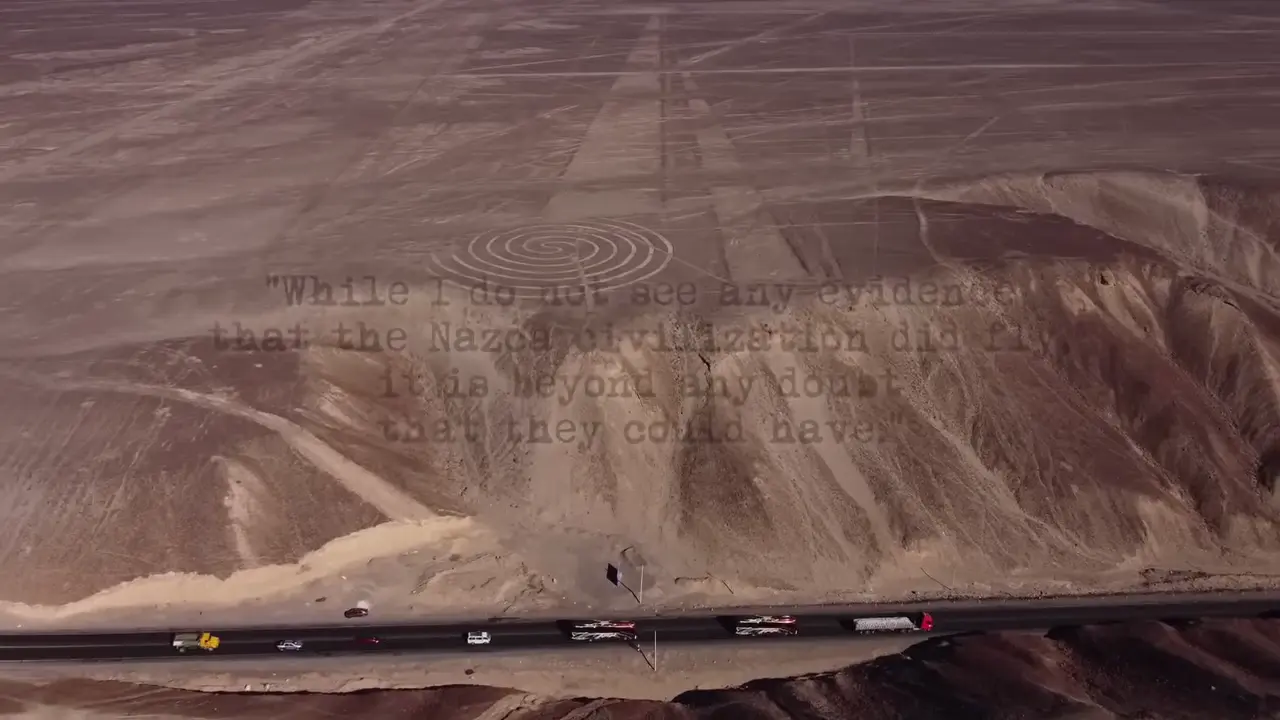
- Julian Nott later stated: 'While I do not see any evidence that the Nazca civilization did fly, it's beyond any doubt that they could have'
- Nott returned in 2003 with Condor 2, flying a more stable version for Japanese television
Sources
Nazca "Spaceport" | Encyclopedia.comencyclopedia.com
They constructed a balloon using the same materials as those available to the ancient Nazcans. The envelope used cotton fabric similar to that in the gravesites ...
The Nazca Lines | Interesting Thing of the Day - ITotDitotd.com
They created a balloon out of cotton fabric, inflated it using only the heat from a wood fire, and attached a reed basket to it as their gondola ...
- Wild winds sweep the giant Condor I balloon from...equatorjournal.com
Wild winds sweep the giant Condor I balloon from its lines in the early stages of inflation, 1975. “In the first century BC the Nazca ...
Nazca - Julian Nottnott.com
The gondola for Condor I and the man who built it from the totora reed of Lake Titicaca. He previously built the Ra Raft for Thor Heyerdahl. Photographs by ...
Nazca Balloon Flight Over Ancient Lines | PDF - Scribdru.scribd.com
The document summarizes Julian Nott's recreation of a hot air balloon flight over the Nazca Lines in Peru using only materials and techniques that would ...
Was this story useful?
Keep exploring
Every site on this page sits on the globe, and the people who research them are on the Discord.
3D Globe · Sites by country · Story Archive · Research Library · Weekly Journal · Search
AI-generated text · images from the original sources · always verify with the sources.