

Week of September 7: 1.04M-Year Sulawesi Tools Found, Fourth Mallorca Talayot, and More
Seven stone flakes from a cornfield in Calio, southern Sulawesi, dated to approximately 1.04 million years ago, represent the oldest known evidence of a human presence on the island and raise questions about ancient seafaring. Archaeologists discovered a previously unknown fourth talayot at Son Fornés in Montuïri, Mallorca, hidden beneath vegetation during land clearance for a new archaeological park museum. A study using 425 radiocarbon dates and Bayesian modeling re-dates the Ohio Hopewell ritual complex to AD 90-120, while a scuba expedition led by Pearce Paul Creasman entered the flooded tomb of King Nastasen at Nuri, Sudan—the first to do so in approximately 100 years.
Seven stone flakes from a cornfield in Calio, southern Sulawesi, dated to approximately 1.04 million years ago, represent the oldest known evidence of a human presence on the island and raise questions about ancient seafaring. Archaeologists discovered a previously unknown fourth talayot at Son Fornés in Montuïri, Mallorca, hidden beneath vegetation during land clearance for a new archaeological park museum. A study using 425 radiocarbon dates and Bayesian modeling re-dates the Ohio Hopewell ritual complex to AD 90-120, while a scuba expedition led by Pearce Paul Creasman entered the flooded tomb of King Nastasen at Nuri, Sudan—the first to do so in approximately 100 years.
New Excavations & Fieldwork
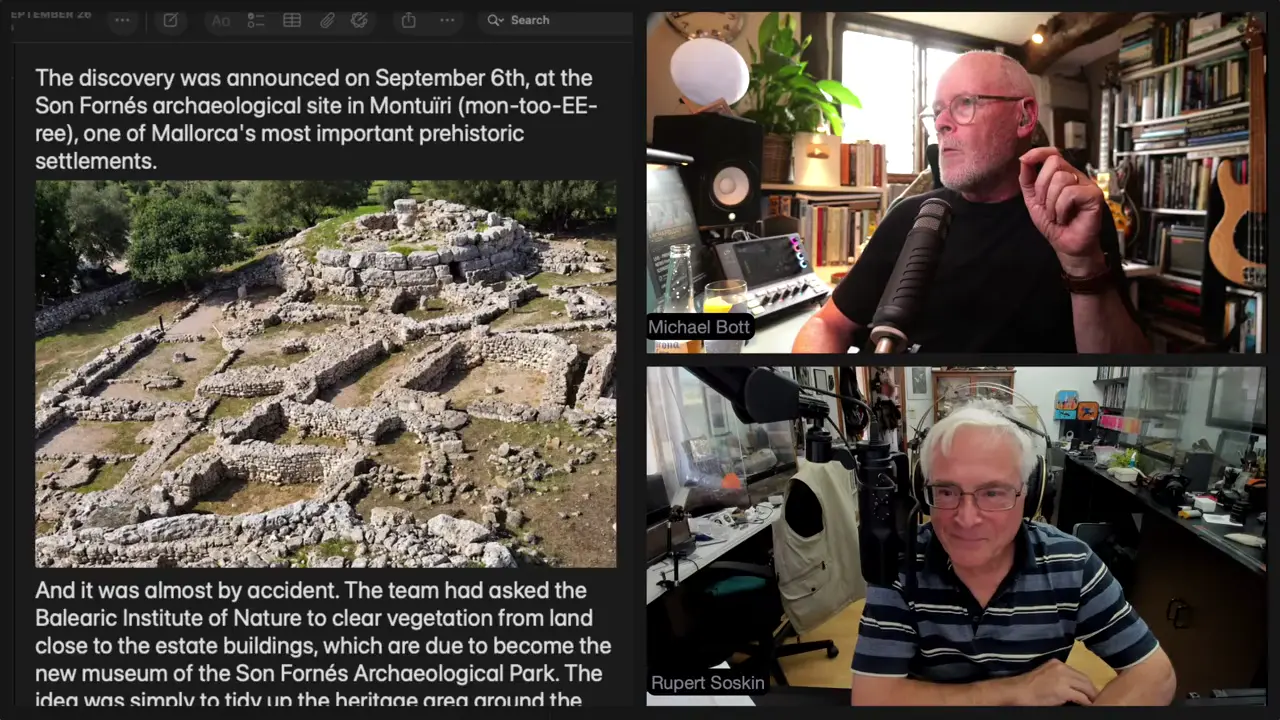
Archaeologists announced on September 6 the discovery of a previously unknown fourth talayot at the Son Fornés archaeological site in Montuïri, Mallorca, bringing the total number of known Talayotic-period megalithic monuments at the site to four [V1] [1]. The new structure was found hidden beneath vegetation during land clearance for the entrance to the new Son Fornés archaeological park museum, with the work carried out under archaeological supervision by the Balearic Institute of Nature. A three-week excavation campaign by six specialists from the Autonomous University of Barcelona was planned to determine whether the structure is circular or square and to clarify its original function.
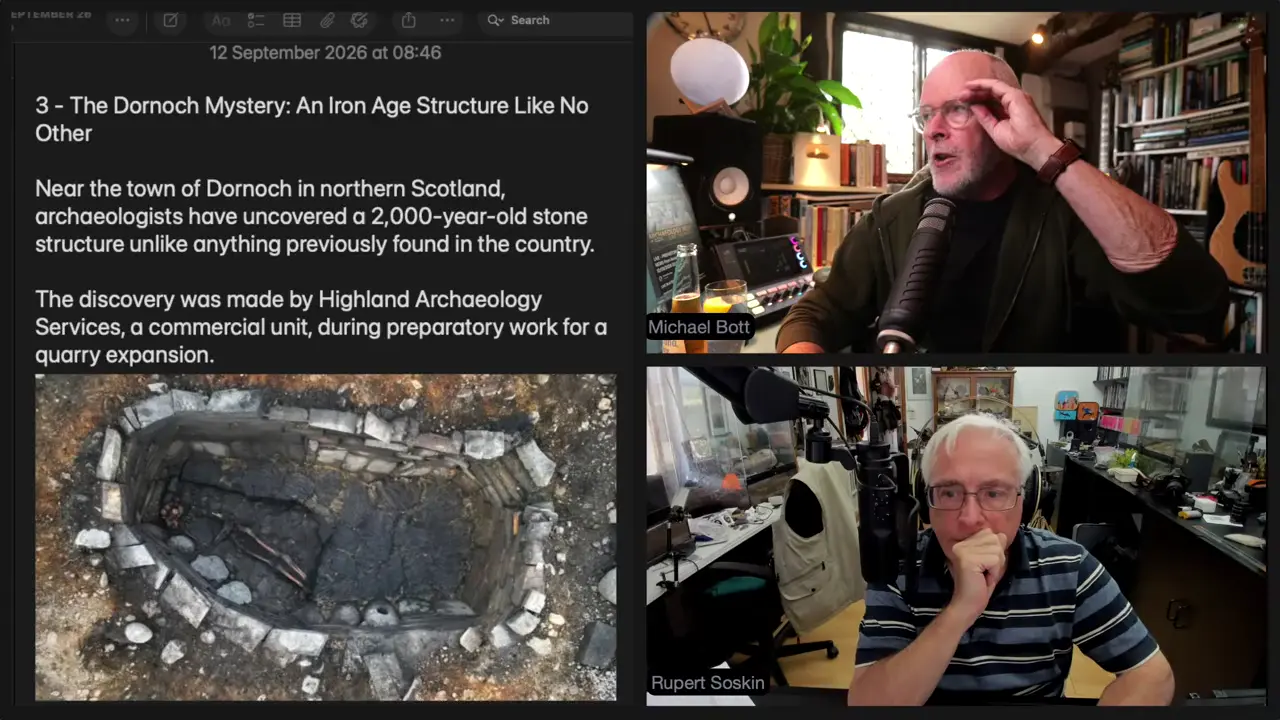
The preservation of the skeleton and its grave goods is uncommon in northern Scotland, where acidic soils typically destroy bone, making this Iron Age burial unusually complete [V2]. The lower walls were bonded with a viscous clay that may have been designed to hold liquid, yet the steep staircase and narrow entrance argue against a simple storage function, and the structure bears architectural resemblance to a souterrain—an underground storage or refuge chamber associated with Iron Age settlements. Archaeologists have not reached consensus on the structure’s purpose or the reason for the woman’s burial within it, with media coverage describing the burial as “beautifully made” within a “carefully prepared pit”.
Artifact Discoveries
Seven stone flakes recovered from a cornfield at Calio in southern Sulawesi and published in Nature in 2025 represent the oldest known evidence of a human presence on the island [V3]. The artefacts have a minimum age of approximately 1.04 million years, with the possible range extending to roughly 1.48–1.5 million years. That chronology is established indirectly, through associated sandstone and a fossil pig tooth using contextual stratigraphy and biochronology rather than direct dating of the lithics themselves. Technologically, the small, sharp-edged flakes appear to have been struck from larger pebbles using a simple hard-hammer percussion strategy, formally described as a basic hard-hammer freehand or bipolar flake-production chaîne opératoire.
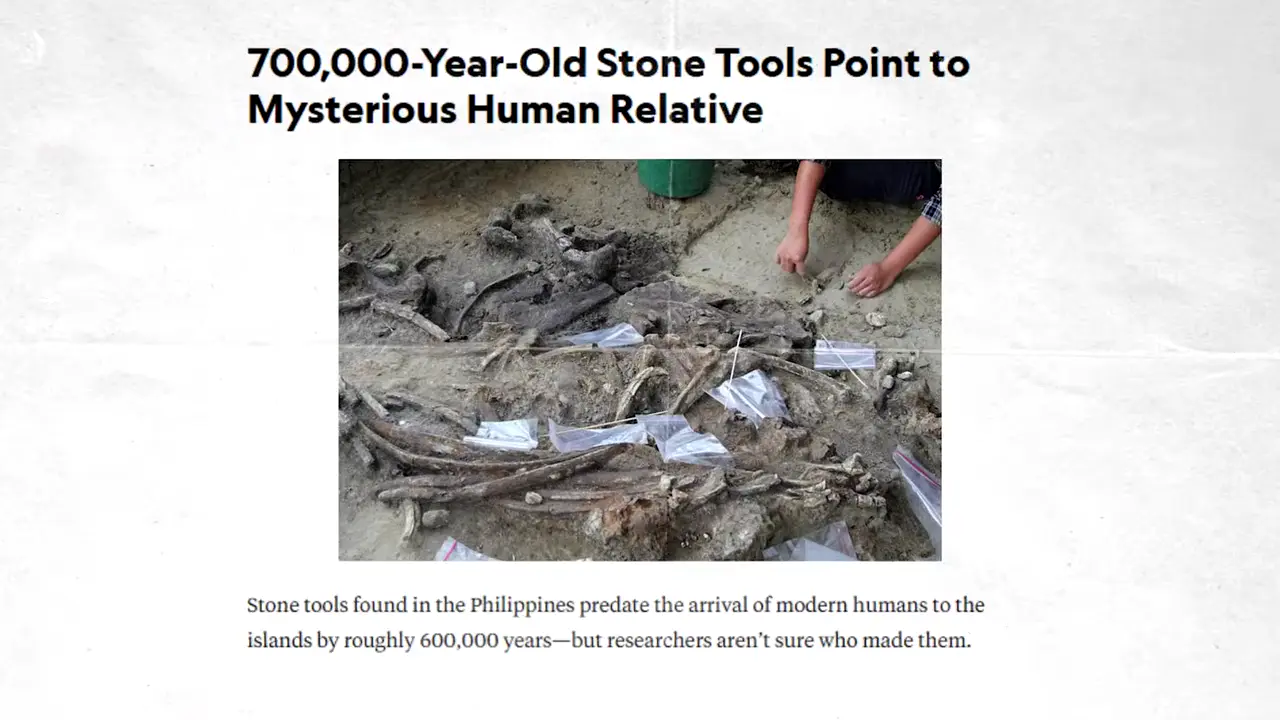
The discovery’s true significance lies in its geographic implications. The Leakey Foundation’s headline — “How did its maker get to Sulawesi without a boat?” — captures just how central this maritime-crossing inference is to the publication’s public messaging [2]. The toolmaker’s identity remains unknown, with no attribution to any named hominin species, and some uncertainty persists around stratigraphic integrity, given that the flakes were recovered from a ploughed cornfield.
Dating & Chronology
A landmark 2023 study by Mark F. Seeman (Kent State) and Kevin C., drawing on 425 radiocarbon dates subjected to formal chronometric hygiene, the analysis re-dated the six largest Hopewell earthwork sites: the Hopewell Mound Group, Liberty, Mound City, Seip, Tremper, and Turner. Bayesian modeling places the beginning of the Ohio Hopewell ritual complex at approximately AD 90–120 (circa 2010 14C BP), about 90 years later than generally recognized before [V4]. Most activity ended around AD 395–430 (circa 1640 14C BP).
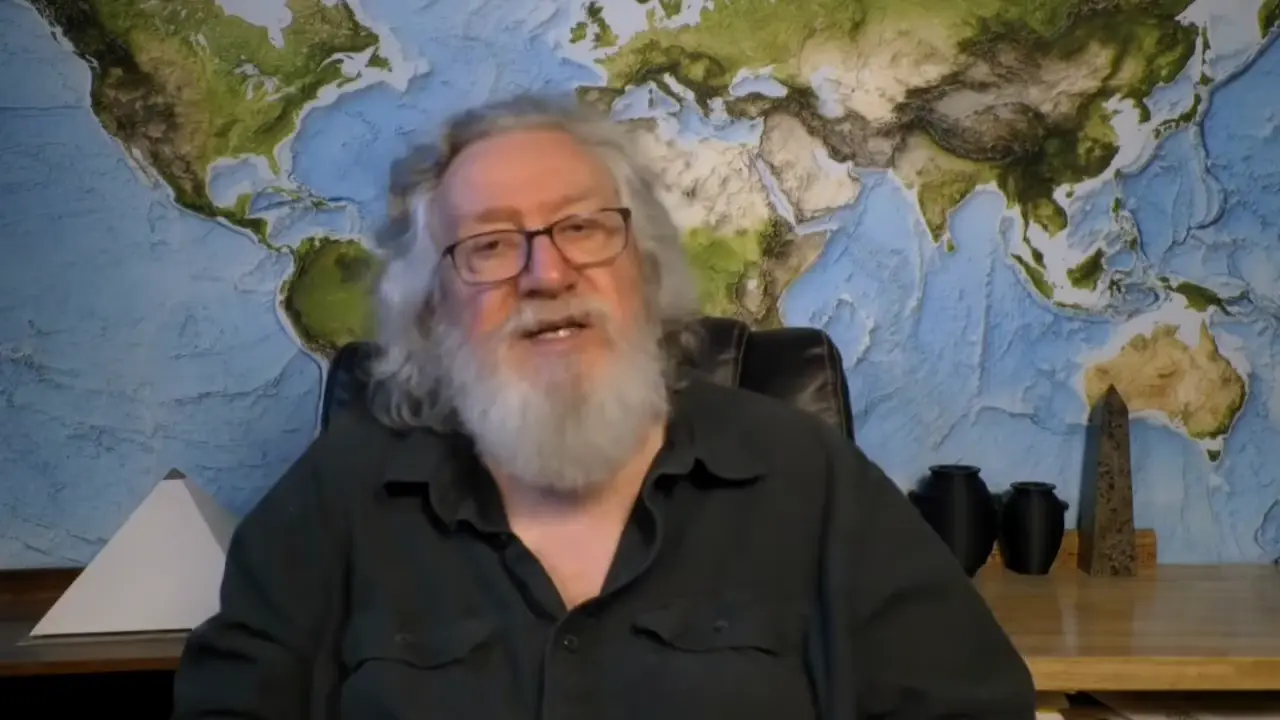
The authors set out to resolve what one prior assessment described as “a disarray of radiocarbon results” in Ohio Hopewell chronology [3]. Their analysis is the first large-scale temporal examination since the 2020 release of IntCal20, and shows that the six sites differ in duration, with more late dates than early ones—hinting at a contracting ritual landscape over time. The work is situated within the broader Scale and Community in Hopewell Networks (SCHoN) project, which had previously analyzed curated collections from more than 30 Scioto Valley Hopewell sites and submitted a separate 19-date batch from seven.
Underwater Archaeology
A scuba diving expedition led by archaeologist Pearce Paul Creasman has been exploring the flooded tomb of King Nastasen at Nuri, the royal cemetery of the ancient Kushite/Napatan kingdom in modern-day Sudan, now a UNESCO World Heritage Site that also served as the burial place of the pharaoh Taharqa. [4]
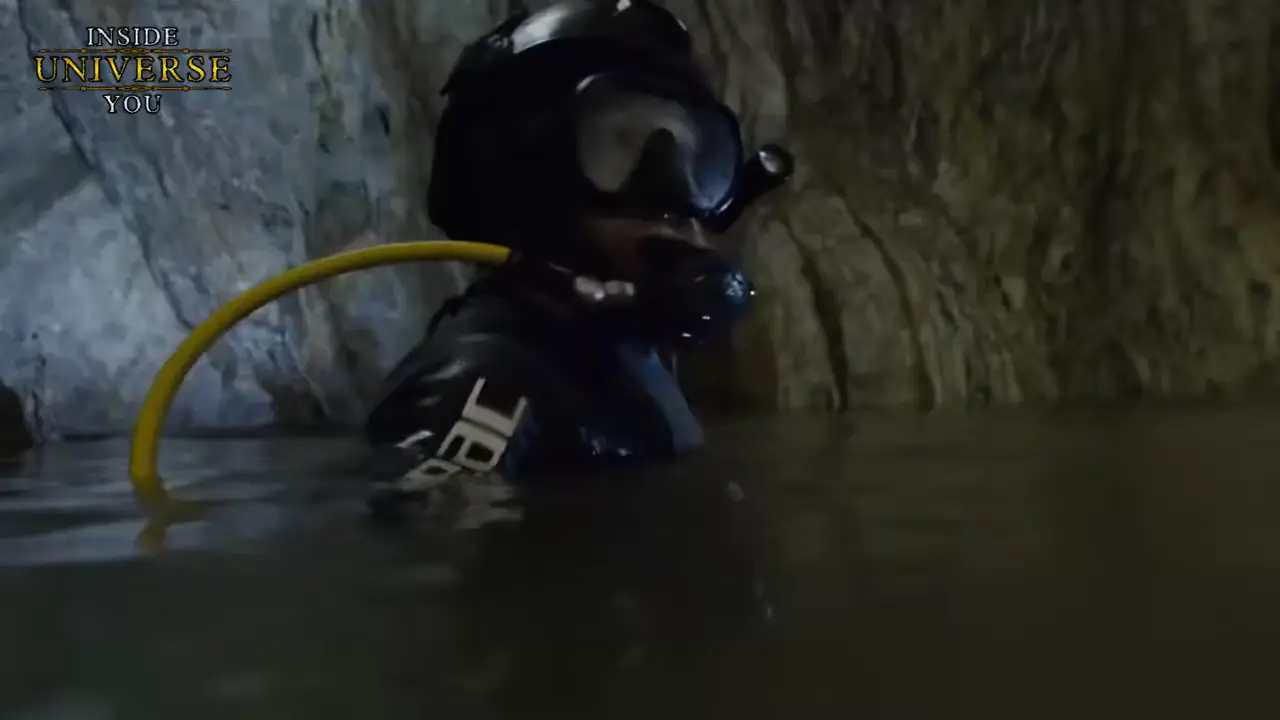
Creasman and his team were the first people to enter the tomb in approximately 100 years, during which time accessibility had significantly degraded [4].
Architecture & Monuments
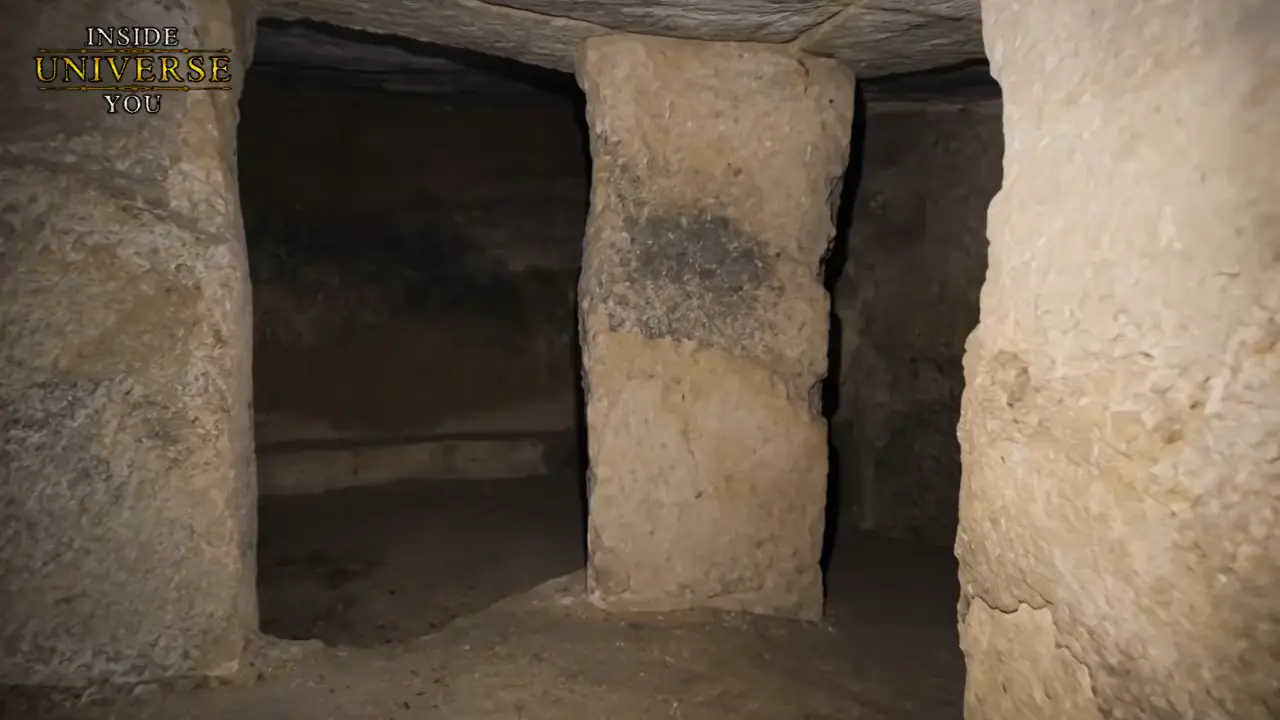
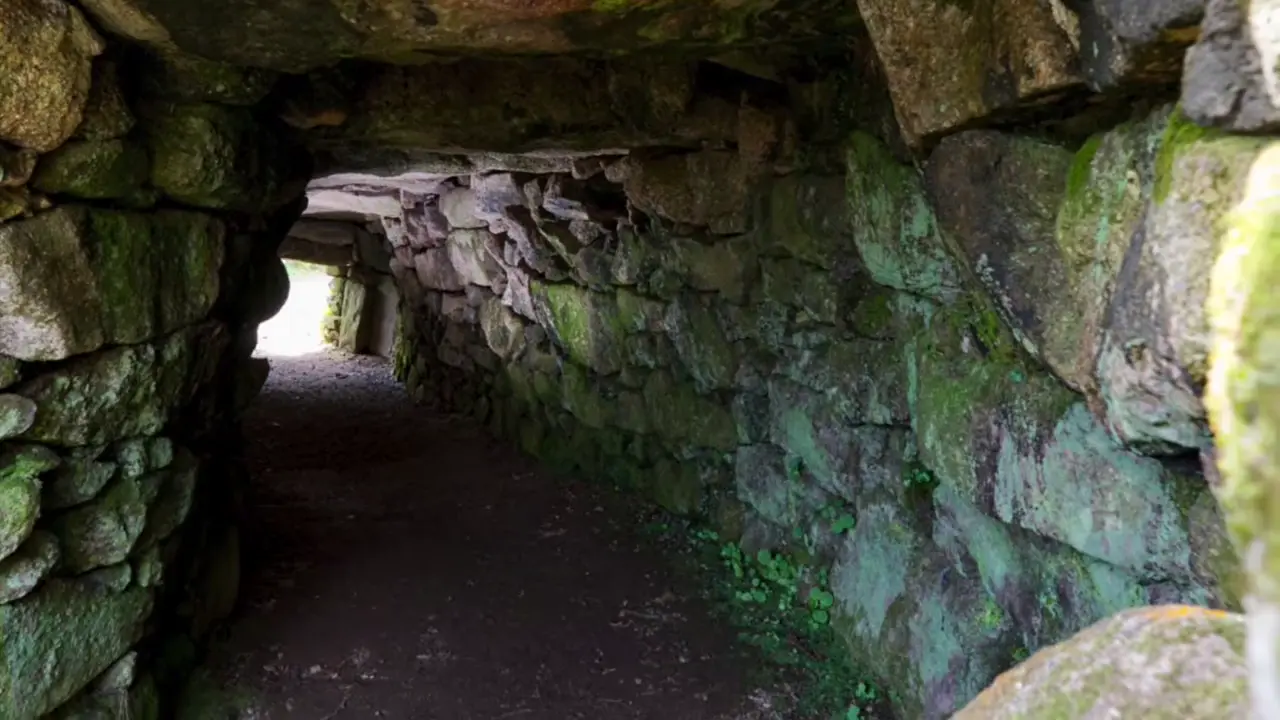
Remarkably, both ends of the main tunnel were originally sealed; the sole access was a narrow creep passage at the southern end, passable only by crawling. A recess inside the beehive chamber is aligned to catch the first rays of the midwinter solstice sun, hinting at ritual significance for this particular feature—though the sealed tunnel itself likely held no such astronomical purpose [V5]. The builders appear to have erected the beehive chamber first, later extending the long passage and creep entrance, with both tunnel ends only opened in a subsequent phase.
The Temple of Medamud, a partly buried sanctuary dedicated to the falcon-headed war god Montu, lies roughly 8–9 kilometers north of Luxor on the Nile’s right bank and about 5 kilometers northeast of the great temple complex of Karnak [V7]. The temple is currently undergoing active excavation, a process that has brought to light two monumental Ptolemaic-era gateways—the earlier Gate of Ptolemy III, partly conserved with traces of paintwork, and the wholly reconstructed Gate of Ptolemy IV—which French archaeologist Alexandre Varille excavated in 1939 and which now reside in the Museum of Fine Arts of Lyon.
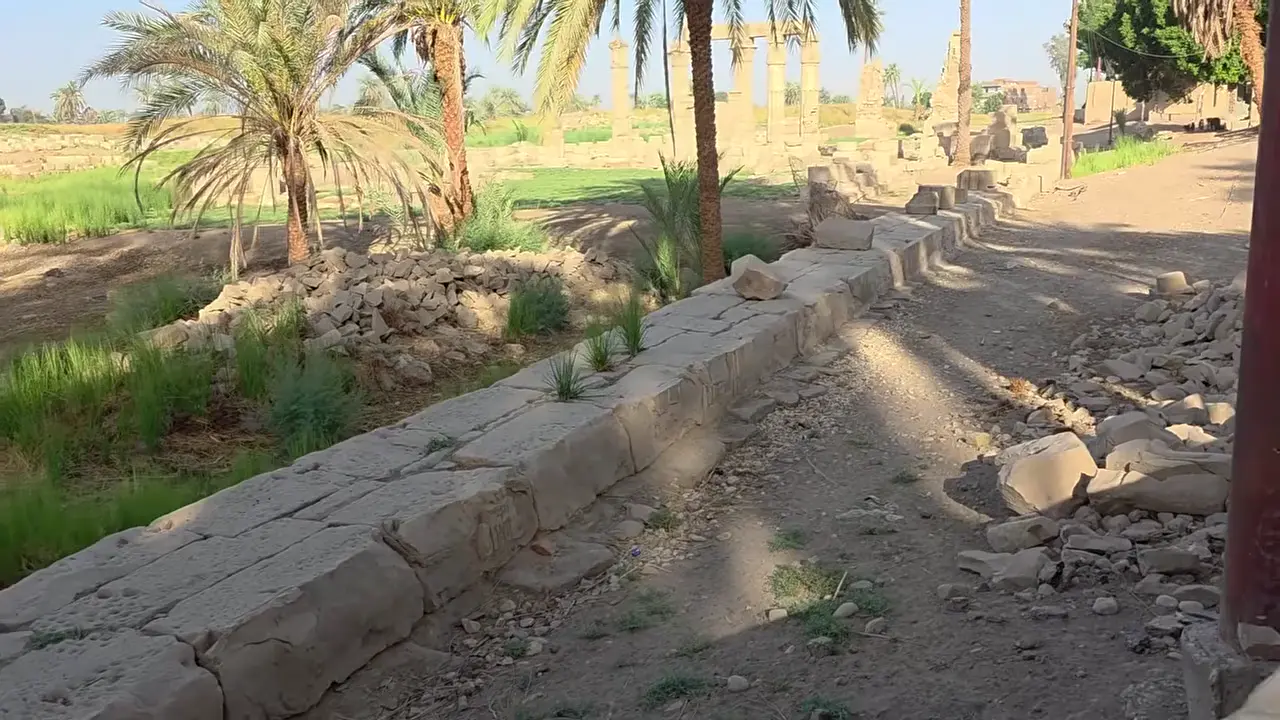
Observations at the site reveal construction features typical of ancient Egyptian engineering, including large walls with visible key clamps and megalithic stone blocks of substantial size [V6]. Columns display two distinct techniques: some carved monolithically from a single piece of stone, others assembled from joined sections. Hieroglyphs visible on the exterior lower walls appear to have been applied as plaster coatings over the underlying rock rather than carved directly into it, suggesting the rock structure may predate the hieroglyphic layer. Historical accounts further suggest the temple was once linked by a processional route to another major complex, likely Karnak, though the exact nature of this connection remains uncertain in the available record.
The Barabar Caves stand apart from other ancient rock-cut monuments in India primarily because of two interlocking architectural choices: trapezoidal chambers and mirror-finished granite surfaces [V8]. The consistency of this form across the entire cave group points to deliberate design rather than incidental variation. Equally striking is the surface treatment of the interior walls, which are polished to a mirror sheen — smooth enough that visitors can see reflections of their faces on the stone.
In Brief
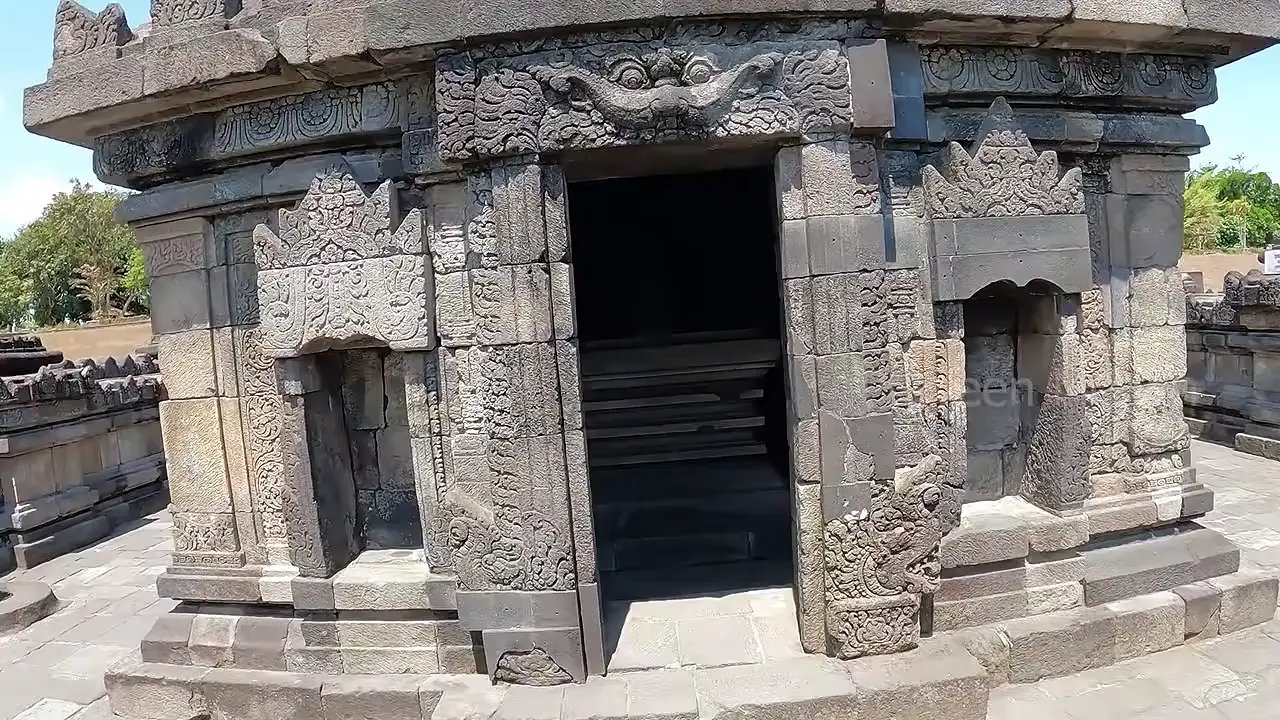
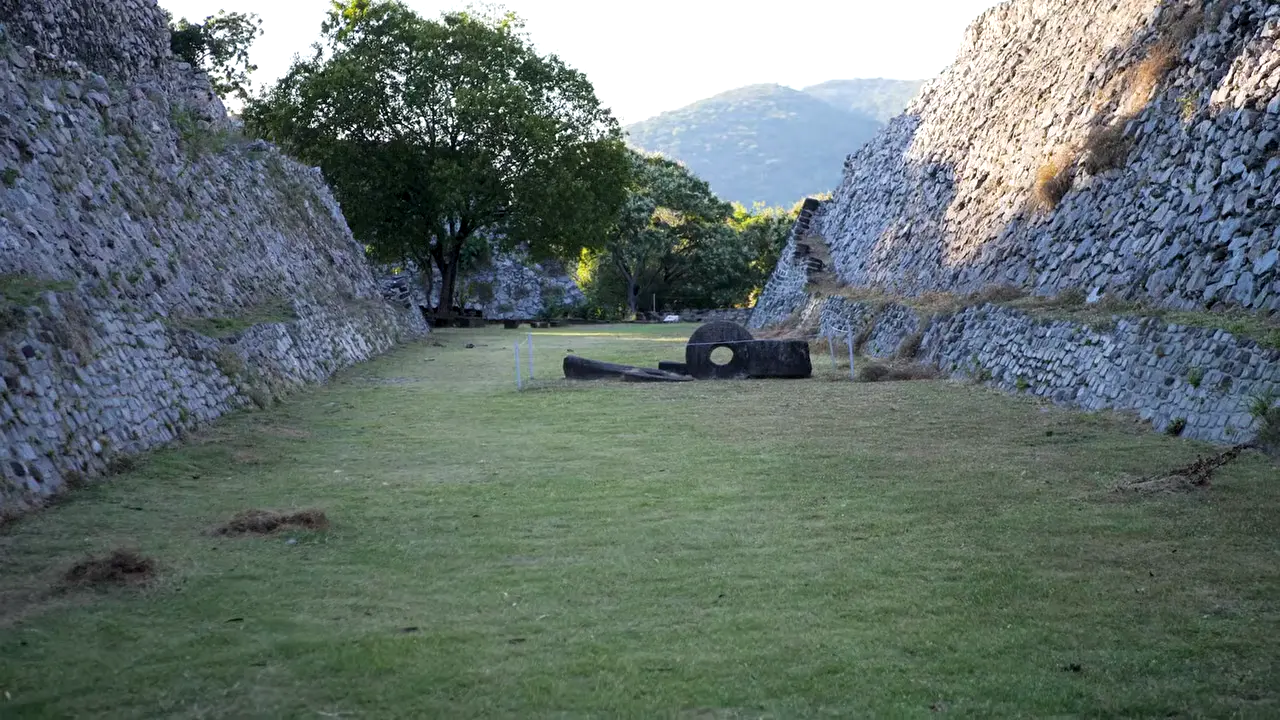
Deep within the hill at Xochicalco, an artificially modified cave originally used for quarrying limestone was transformed into a solar observatory now known as the “Cave of the Astronomers” (Cueva de los Astrónomos) [V9]. Beyond the cave itself, the hill containing it was geomorphologically manipulated — natural topography was cut into and dressed with stone to give the appearance of a wholly artificial mountain. Institutional commentary characterizes Xochicalco as providing particularly clear evidence of advanced astronomical knowledge among pre-Hispanic Mesoamerican builders, with INAH-affiliated sources describing it as a landmark of scientific achievement in the Americas [5].
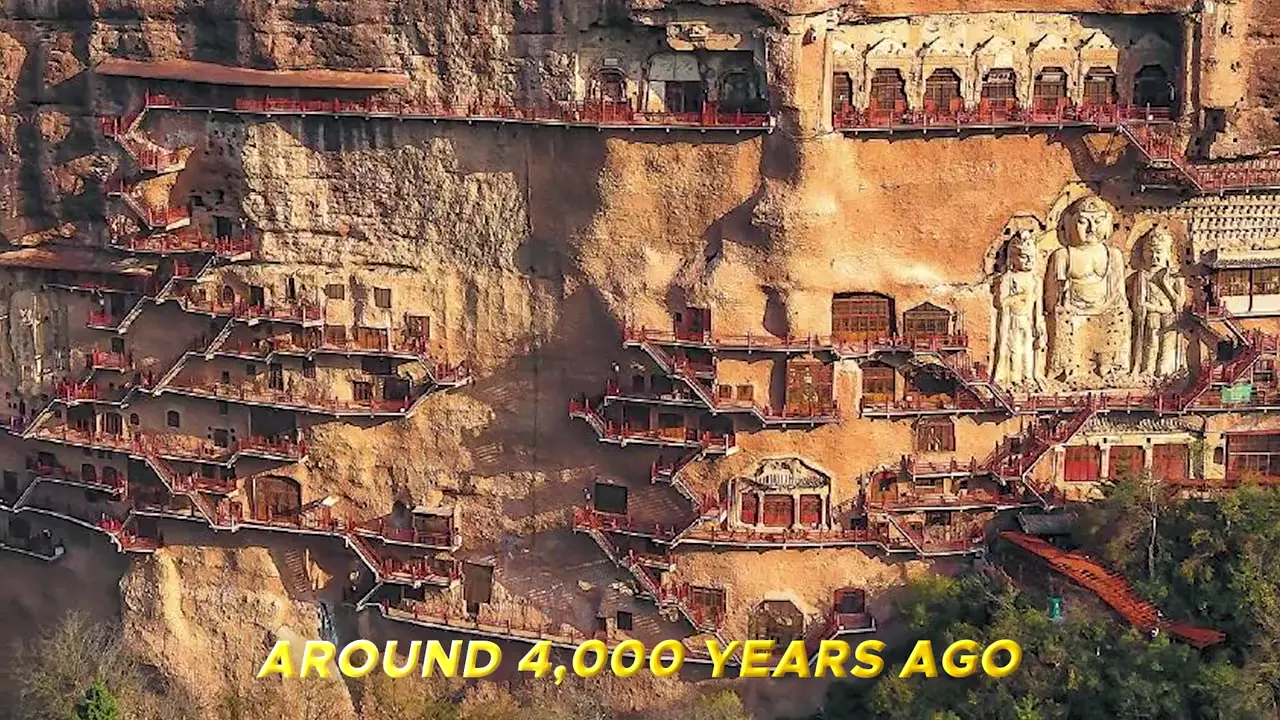
Shimao, the largest known Neolithic settlement in China, sprawls across roughly 1,000 acres on the northern edge of the Loess Plateau in Shenmu County, Shaanxi Province [9]. Dating to approximately 2300 BCE during the Late Neolithic Longshan period, the city supported a powerful ruling elite and served as a major political and religious center. Archaeological and ancient DNA evidence reveals a patrilineal society with gendered ritual practices, including evidence of human sacrifice and mysterious carvings. The population was predominantly of local origin, descended from earlier Middle Neolithic Yangshao-period peoples, and showed closest maternal genetic affinity with contemporaneous Taosi populations in the Middle Yellow River basin. Millet agriculture—both foxtail and common varieties—sustained the community, with cultivation expanding substantially across the region between 3000 and 2000 BCE [7].

Perhaps Shimao’s most striking feature is its location in what is now near-desert. During the mid-Holocene Climatic Optimum (c. 9–5 ka), the sand fields of northern China, including the Mu Us desert near Shimao, were almost entirely covered by vegetation under a substantially wetter climate [6]. A tree-ring stable isotope chronology documents rapid aridification beginning around 2000 BCE, when mean precipitation dropped 42 ± 4% below mid-Holocene levels and a dry hydroclimatic regime persisted for centuries afterward [8]. Researchers argue this abrupt aridification likely triggered human migration and societal transformation across northern China. Shimao challenges the conventional Central Plains–centric narrative of early Chinese civilization by demonstrating that advanced urban-scale settlements thrived in this now-arid margin approximately 4,300 years ago.
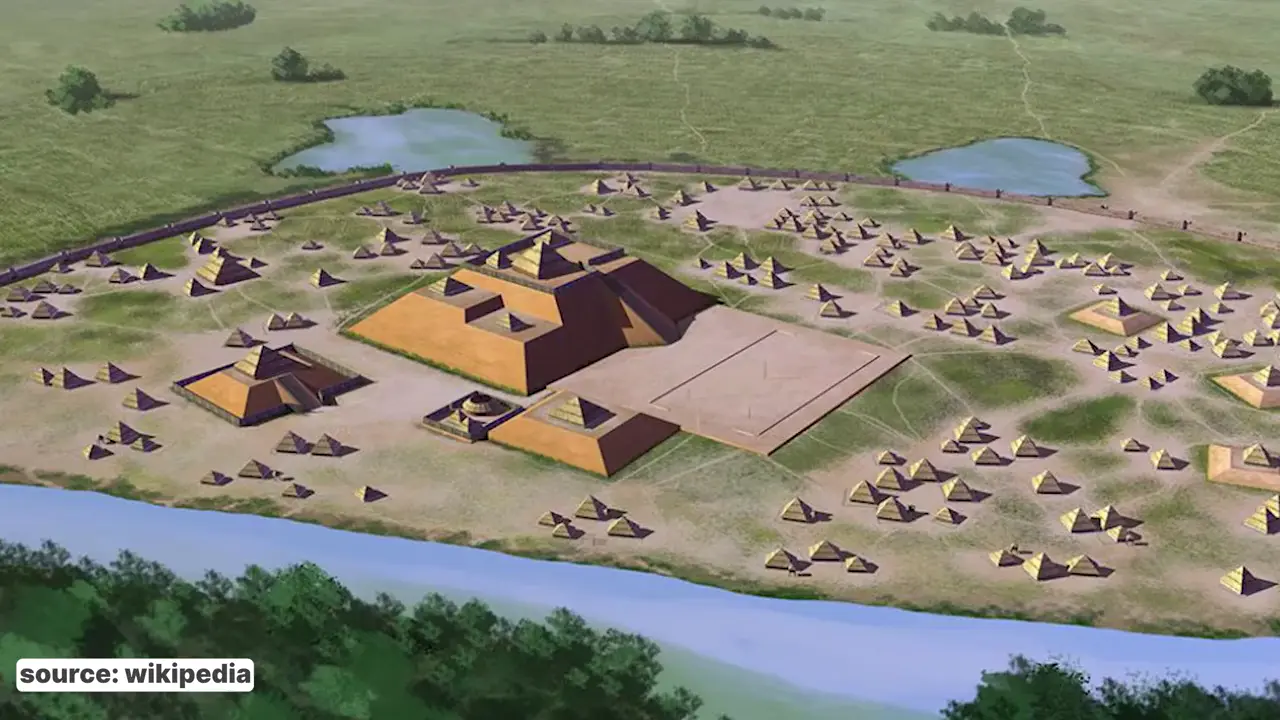
Excavations of Mound C revealed social stratification, with mound burials containing more elaborate goods and exotic materials than village burials, suggesting symbolic offices tied to specific roles [10]. Analysis of copper artifacts has also tested the long-standing assumption that eastern U.S. copper derived from Great Lakes glacial deposits, with compositional similarities supporting this origin.
Lajia, a Qijia culture settlement dating to approximately 1920 BC, sits on the north bank of the upper Yellow River in the Guanting Basin at Minhe County, on the Gansu-Qinghai border [V10]. Trial excavations began in 1999, and by 2000 archaeologists had identified a thick layer of dense red clay sealing the entire site, preserving it in unusually detailed form. Lajia is the only known large-scale prehistoric settlement destroyed simultaneously by earthquake and flood, yielding an exceptional record of Qijia-era daily life.
A 2016 paper argued the earthquake also damaged a river gorge about 25 km upstream, producing a catastrophic outburst flood proposed as a geological basis for the legendary Great Flood and the founding of the Xia dynasty [V10]. Whether the catastrophe corresponds to the legendary Great Flood and the origin of the Xia dynasty remains unresolved.
The Pyramid of Hellinikon in the Argolid Plain sits at the center of an active and considerable dating controversy [13] [11]. This combined thermoluminescence, ceramic, and textual evidence has been used to place the buildings at the transition between the 3rd and 2nd millennia BC [V11], with one source proposing a specific construction date of approximately 2720 BC based on unspecified “surprising findings” [12].
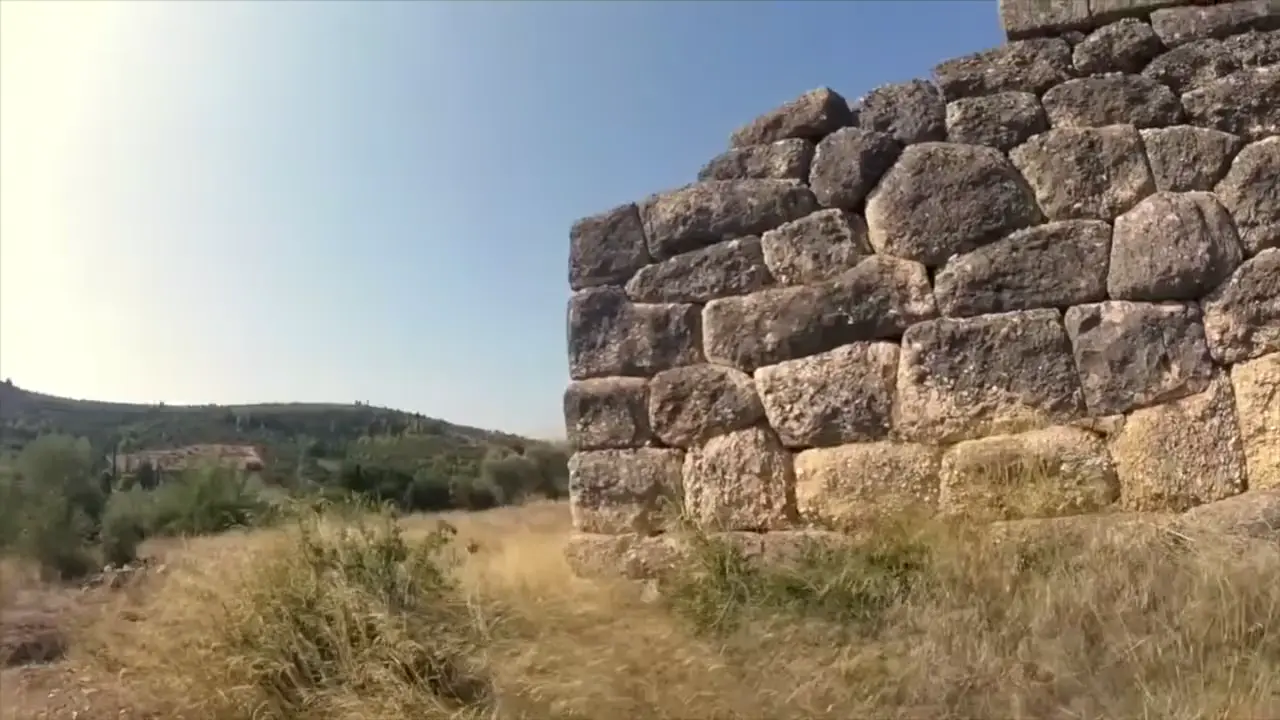
The mainstream archaeological consensus, however, dates the cyclopean buildings to the 4th century BC, placing them in the Late Classical or early Hellenistic period [V11] [14]. The ceramic evidence has been interpreted as Proto-Helladic by some scholars and as Classical-era by others. Proponents of an early date invoke Pausanias’ 2nd-century AD account as corroborating textual evidence for an early Mycenaean connection, yet this same source defines Mycenaean culture as beginning around 1500 BC, creating chronological tension with the proposed 2000-2800 BC range; using Pausanias to corroborate a Bronze Age date involves an unexamined interpretive chain.
Sources
- Archaeologists discover previously unknown talayot at Son Fornés
- This stone tool is over 1 million years old. How did its …
- Kevin C. Nolan, Ph.D.: “The “when” of Ohio Hopewell is…” - Mastodon
- Sudan tomb diver reveals pharaoh’s secrets - BBC
- Xochicalco, in the house of the knowledge flowering . Time …
- Chinese deserts and sand fields in Last Glacial Maximum and Holocene Optimum
- Evolution of prehistoric dryland agriculture in the arid and semi-arid transition zone in northern China
- Long-term decrease in Asian monsoon rainfall and abrupt climate change events over the past 6,700 years
- Mysterious carvings and evidence of human sacrifice …
- Archaeological Implications of Social Stratification at the Etowah Site, Georgia
- The Hellinikon: were the Greeks building Pyramids before …
- The Mystery of the Pyramid of Hellinikon
- Ancient Pyramid of Greece Sparks Controversy
- The Pyramid of Elliniko: Mystery of the Argolid Plain
Videos
V1. The Prehistory Guys — “LIVE ~ PREHISTORIC ARCHAEOLOGY NEWS From Around the World | 12/09/2026 02:00PM BST” V2. The Prehistory Guys — “LIVE ~ PREHISTORIC ARCHAEOLOGY NEWS From Around the World | 12/09/2026 02:00PM BST” V3. Michael Button — “I Told Joe Rogan Something That Changes Human History” V4. The Randall Carlson — “New Radiocarbon Dates: Hopewell’s Earthworks Were Built in 250 Years With Geometry and Astronomy” V5. Ancient Architects — “NEW | The Mysterious ‘Fugou’ of Ancient Britain: What Are They?” V6. Earth Explorer — “UNSEEN LUXOR The Buried Megaliths of Medamud Temple Earth Explorer” V7. Earth Explorer — “UNSEEN LUXOR The Buried Megaliths of Medamud Temple Earth Explorer” V8. PraveenMohan — “They Keep This 𝐁𝐀𝐑𝐀𝐁𝐀𝐑 𝐂𝐀𝐕𝐄 𝐋𝐎𝐂𝐊𝐄𝐃… Here’s Why” V9. World of Antiquity — “Xochicalco: Mexico’s Most Underappreciated Archaeological Site?” V10. Michael Button — “The Nepal Flood Just Erased History” V11. One-eyed giant building walls — “The Secret History of Greece’s Most Elegant Walls 👁️♥️”
Keep exploring
Every site on this page sits on the globe, and the people who research them are on the Discord.
3D Globe · Sites by country · Story Archive · Research Library · Weekly Journal · Search