

Week of September 21: Teotihuacan Trophy Ornaments Found, Sacsayhuamán Waterworks, and More
A fresh study of the Temple of the Feathered Serpent at Teotihuacan reveals 72 males identified as soldiers were sacrificed, with four wearing 7–11 real human maxillae as trophy ornaments drawn from at least three regions. New hydraulic analysis of Sacsayhuamán's Muyuqmarka structure reframes the Inca complex as a sophisticated water-engineering achievement rather than a fortress. Separately, the Dresden Codex's eclipse table used overlapping Saros and Inex cycles to keep Maya solar-eclipse forecasting reliable for thousands of years.
A fresh study of the Temple of the Feathered Serpent at Teotihuacan reveals 72 males identified as soldiers were sacrificed, with four wearing 7–11 real human maxillae as trophy ornaments drawn from at least three regions. New hydraulic analysis of Sacsayhuamán’s Muyuqmarka structure reframes the Inca complex as a sophisticated water-engineering achievement rather than a fortress. Separately, the Dresden Codex’s eclipse table used overlapping Saros and Inex cycles to keep Maya solar-eclipse forecasting reliable for thousands of years.
Artifact Discoveries
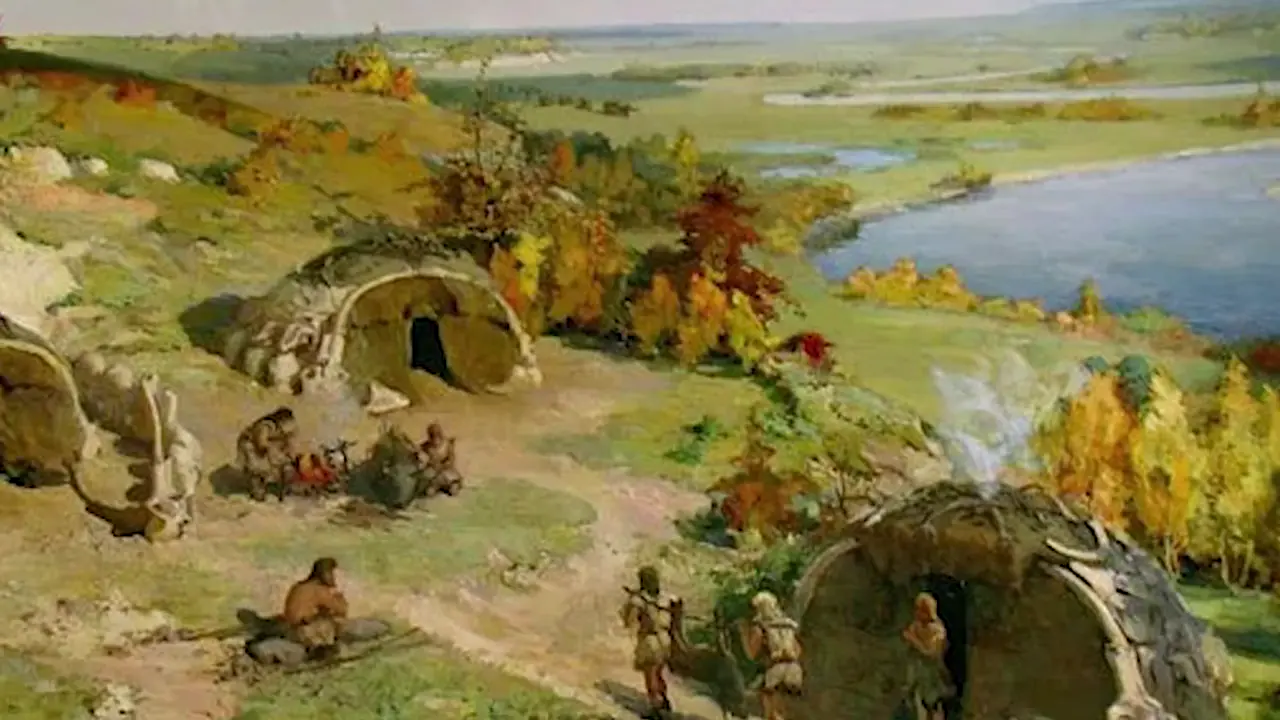
Chu (2025) has provided a revised radiocarbon chronology for mammoth bone structures at sites including Mizyn, raising the possibility that these constructions may not reflect dwellings at all, but rather deliberate arrangements of older bone material [1]. This interpretive challenge is compounded by Russia’s invasion of Ukraine, which has made archaeological fieldwork at and around the borderland site more difficult [V1].
The Smithsonian Institution has agreed to PXRF (Portable X-Ray Fluorescence) testing of the Valentine Museum/Mount Pisgah relics, a non-destructive technique for determining elemental composition [V2]. Earlier thermoluminescence (TL) testing of two specimens had already produced results consistent with fired pottery rather than carved steatite, and the Smithsonian’s agreement is especially notable given that it was that very institution which originated the fraud theory concerning these relics in 1883 — without having conducted any material testing at the time.

The historical backdrop is complex. Valentine had purchased a large group of carved stone figures reportedly found at Mount Pisgah in northern North Carolina in the early 1880s [2]. One source technically mischaracterizes PXRF as using a “calibrated laser” — PXRF actually employs X-ray excitation, distinct from the laser-based LIBS method — raising questions about that source’s reliability on instrumental specifics [V2].
Dating & Chronology
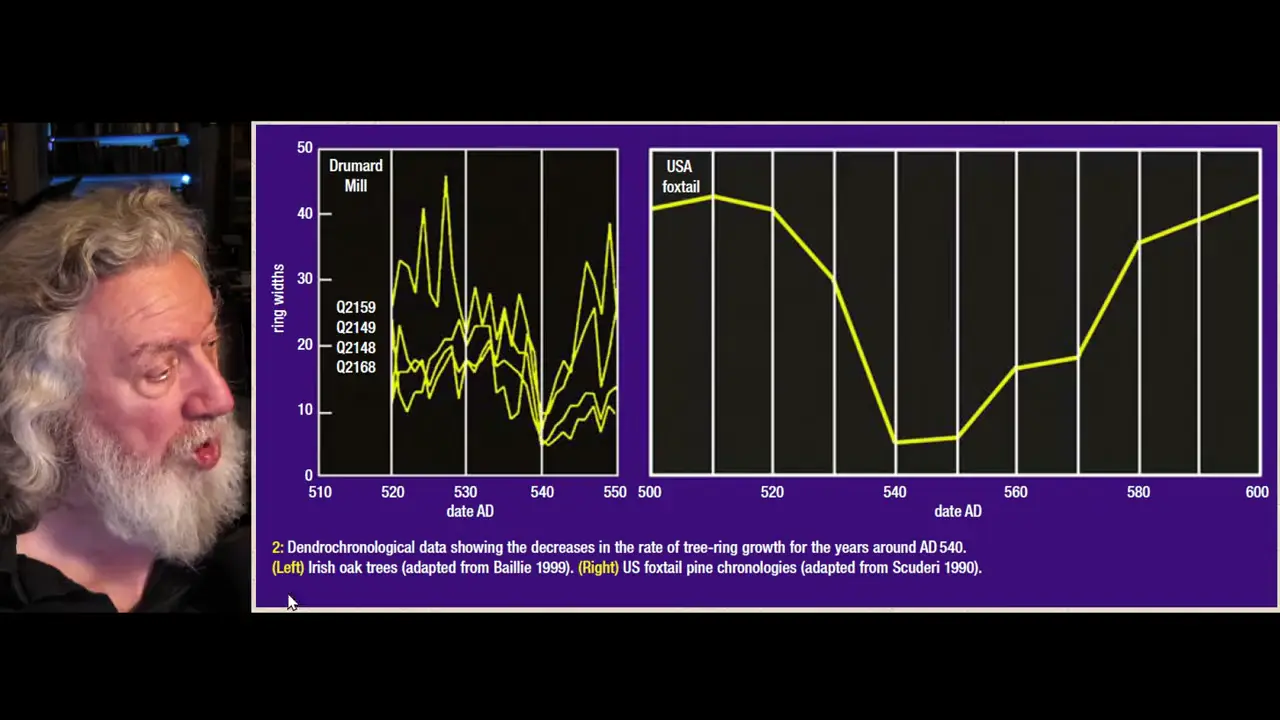
Tree ring evidence drawn from multiple geographically distributed chronologies—including Irish peat bog oaks analyzed by Bailey in 1991 and 1999, Fennoscandian pines studied by Briffa in 1990, and US foxtail pines—reveals that a severe cold event began in AD 536 and persisted until approximately AD 545, spanning roughly eight years [V3].
Architecture & Monuments
Perched at the summit of the Sacsayhuamán fortress complex in Cusco, Muyuqmarka is a remarkable round megalithic structure attributed to Inca construction. Its Quechua name translates to “round town” or “round village/homeland” [3]. The structure consists of three concentric circular stone walls connected by a series of radial walls, with spoke-like protrusions projecting outward from the center, and three water channels constructed to bring water to the site. While the lower portion preserves original Inca megalithic masonry, the upper portion has been reconstructed, leaving only the base of what was once a round Inca tower [V4].
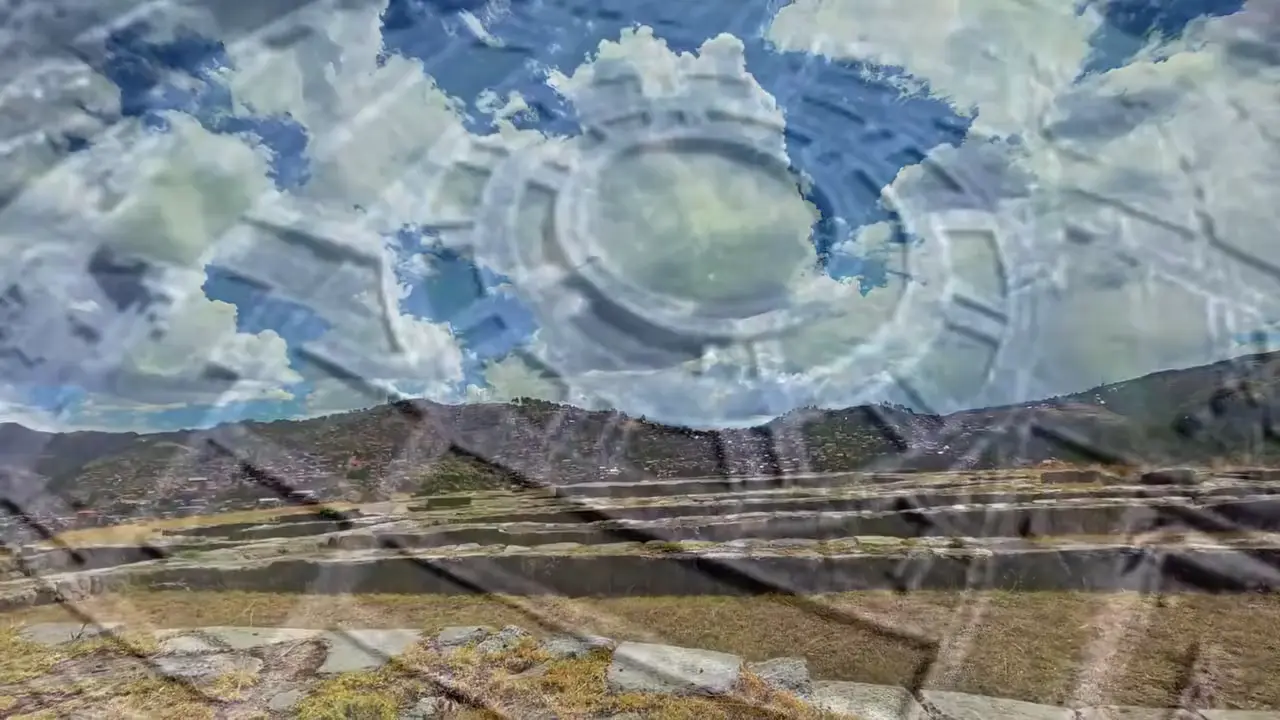
This research directly challenges the popular “fortress” interpretation of the site, reframing Sacsayhuamán as a sophisticated hydraulic engineering achievement.
Wright brings substantial credentials to this work: he is the founder and principal engineer of Wright Water Engineers, Inc., based in Denver, Colorado, with specialties in hydrology, paleohydrology, groundwater, and water supply. His academic publication record includes a 1999 paper on ancient hydraulic engineering in the Journal of Hydraulic Engineering (ASCE) [4]. He is widely recognized within the civil engineering profession as a respected authority on water engineering, water rights, hydraulics, and hydrology, having made what one source describes as “an indelible mark on the civil engineering profession.”
In Brief
The Dresden Codex eclipse table occupies pages 51a through 58b, spanning approximately 33 years across 405 lunar months, and represents one of the most sophisticated achievements of pre-Columbian astronomy [V5].
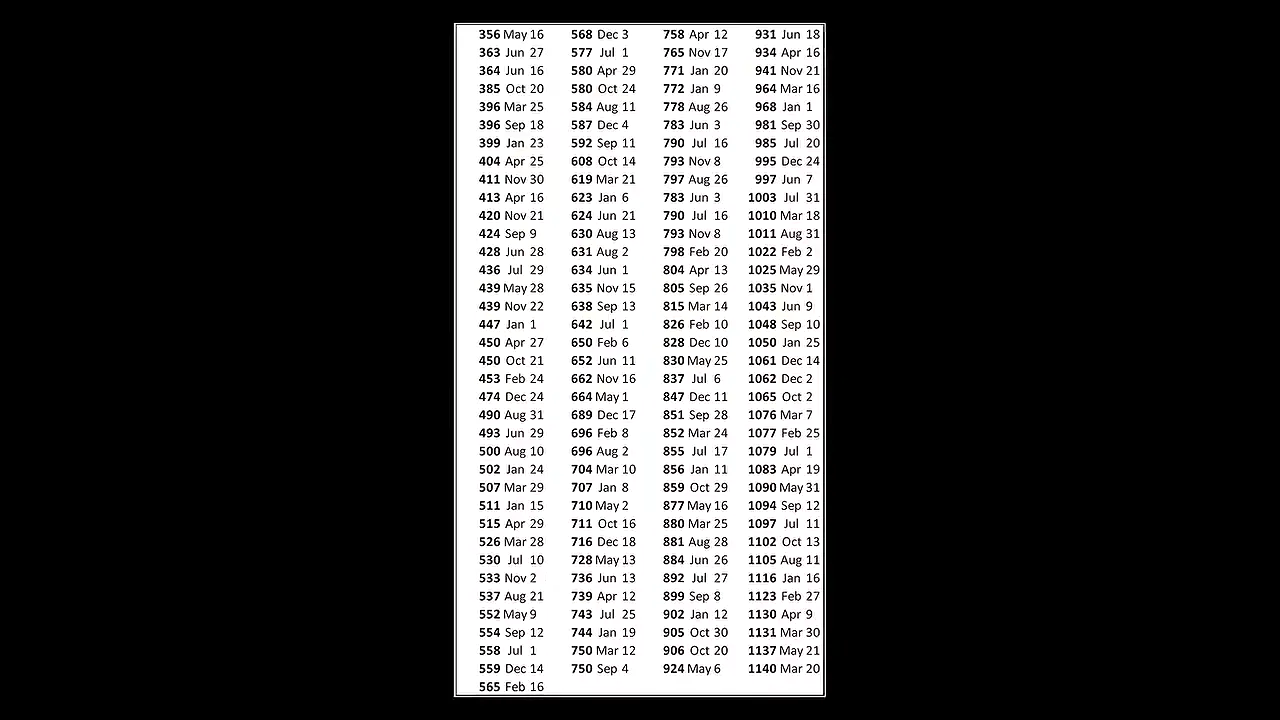
What makes this table remarkable is the overlapping structure Maya astronomers used to maintain long-term forecasting reliability. They began new eclipse tables 223 or 358 lunar months into the current table—223 months corresponding to the Saros cycle and 358 to the Inex cycle [V5]. This restart strategy could keep the prediction system reliable for thousands of years. The table employs a period of approximately 11,960 days (11,958 in the actual sequence) to group solar eclipses by type into clusters of 7 or 9, and includes ten vignettes at 148-day intervals attributed to eclipses actually observed within the Maya geographic zone. A comparative Maya–Greek study finds structural parallels between these intervals and the Saros cycle used in the Antikythera Mechanism, suggesting the Maya possessed their own comprehensive cosmological framework in which Earth, Moon, and Sun had specific roles in producing eclipses.

The count itself, first recorded on the Tablet of the Sun at Palenque and at Yaxchilan, had been identified by Eric Thompson in 1943, with Heinrich Berlin and David Kelly publishing their interpretation through Tulane in 1961 [V6]. For decades scholars read the count as four stations tied to four cardinal directions and colors, totaling 3,276 days (~9 years)—a figure matching no known astronomical cycle, which earned it a reputation as “the most enigmatic of the Maya calendar cycles”. An earlier proposal (Lounsbury 1978) had suggested the count tracked Jupiter and Saturn [5].
The Temple of the Feathered Serpent at Teotihuacan, constructed ca. AD 200 during the city’s major monument-building phase [V7], has yielded one of Mesoamerica’s most extensive sacrificial deposits. Many were bound and some interred kneeling — strong indicators of non-voluntary sacrifice. A sealed tunnel discovered in 2003 (the Tlalocan Project) yielded more than 60,000 ritual objects, with AMS dates placing ritual closures between AD 125–240 and a later chamber-surface deposit at AD 400–534.
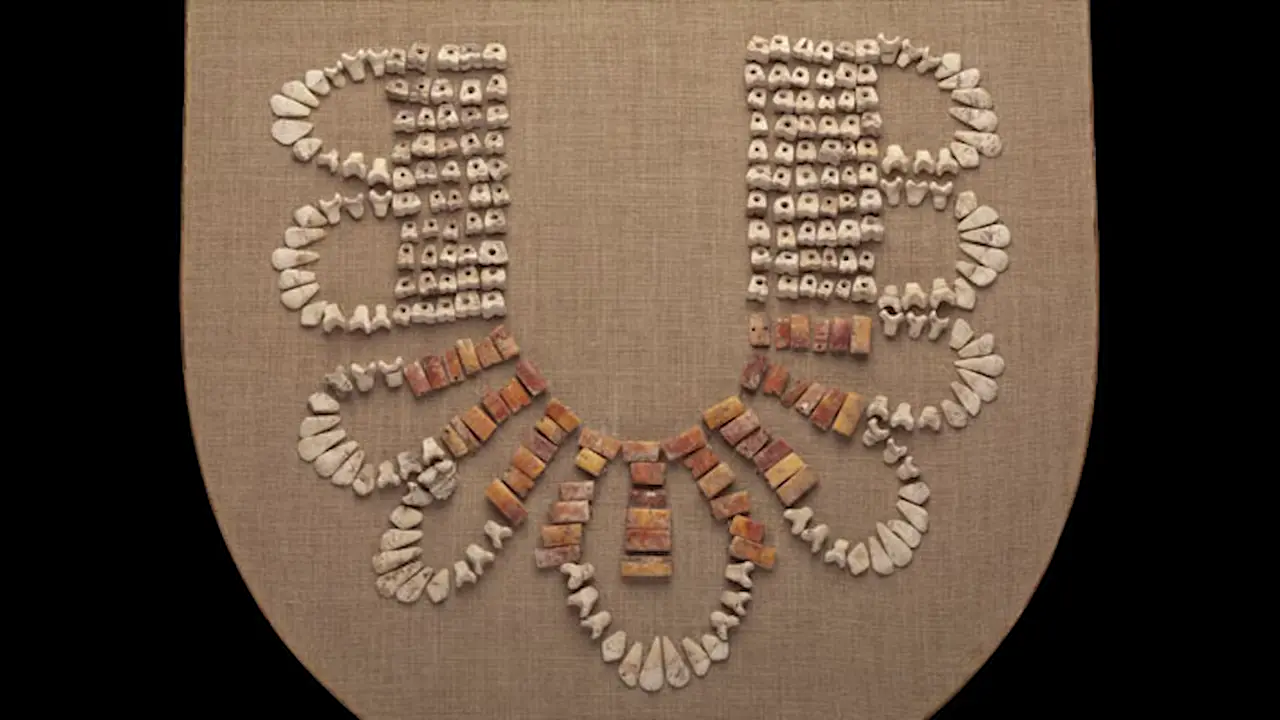
Among the victims, 72 males were identified as soldiers; four wore 7–11 real human maxillae as trophy ornaments drawn from males across at least three geographic regions — a sign the sacrifice drew people from well beyond Teotihuacan. Burial 14’s majority were non-locals brought into the city shortly before death [6]. The temple’s status as Teotihuacan’s third-largest edifice, combined with cinnabar and liquid mercury from the tunnel and a façade studded with obsidian-inlaid mirror sculptures linked to bloodletting iconography, frames the killings as part of a deliberate, monumental ritual program.
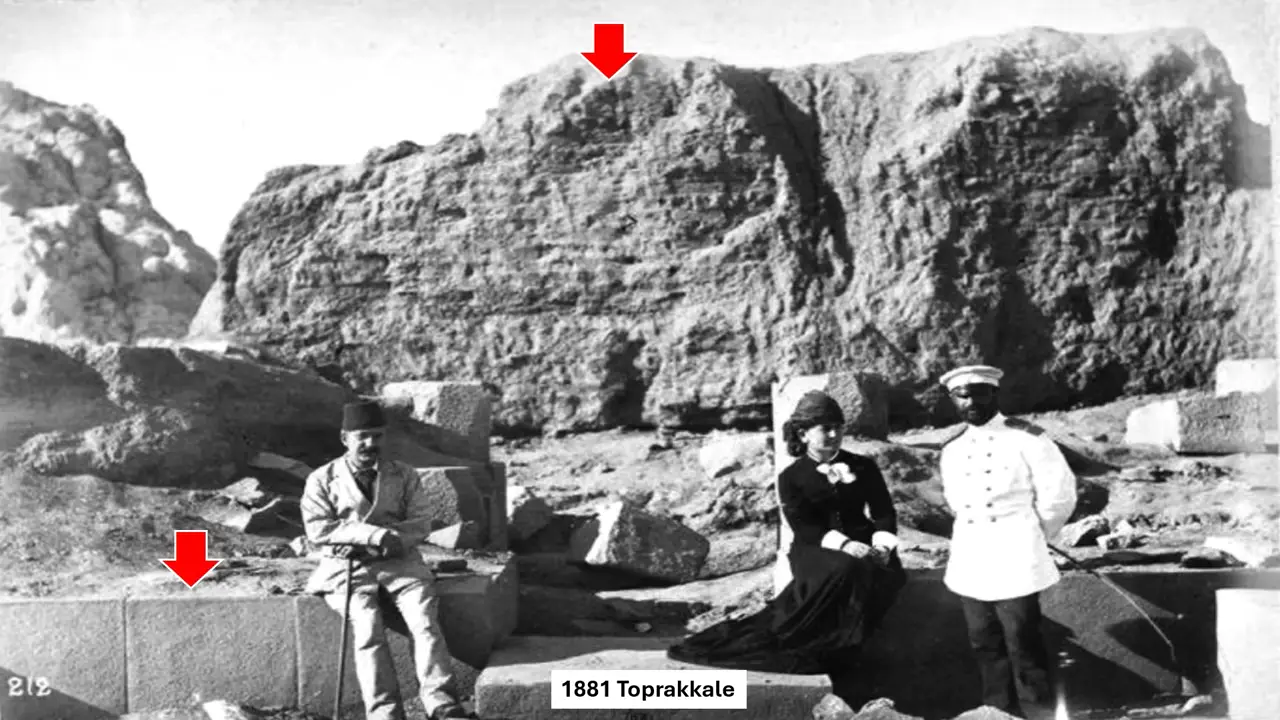
The site holds a distinguished position in Near Eastern archaeology as the starting point for scholarly research on the Urartian kingdom in the Van region, attention first drawn by Austen Henry Layard in 1881 [V8].
During the Ottoman period, the fortress was known as Kınık Castle and functioned as an important military stronghold and control zone alongside other regional fortifications [7]. Yet the site has not survived intact. Scholar Genç addressed the extensive destruction of Toprakkale’s architecture in a 2018 study explicitly titled “Archaeology of Destruction: Toprakkale,” underscoring how much of the ancient fortress has been lost.
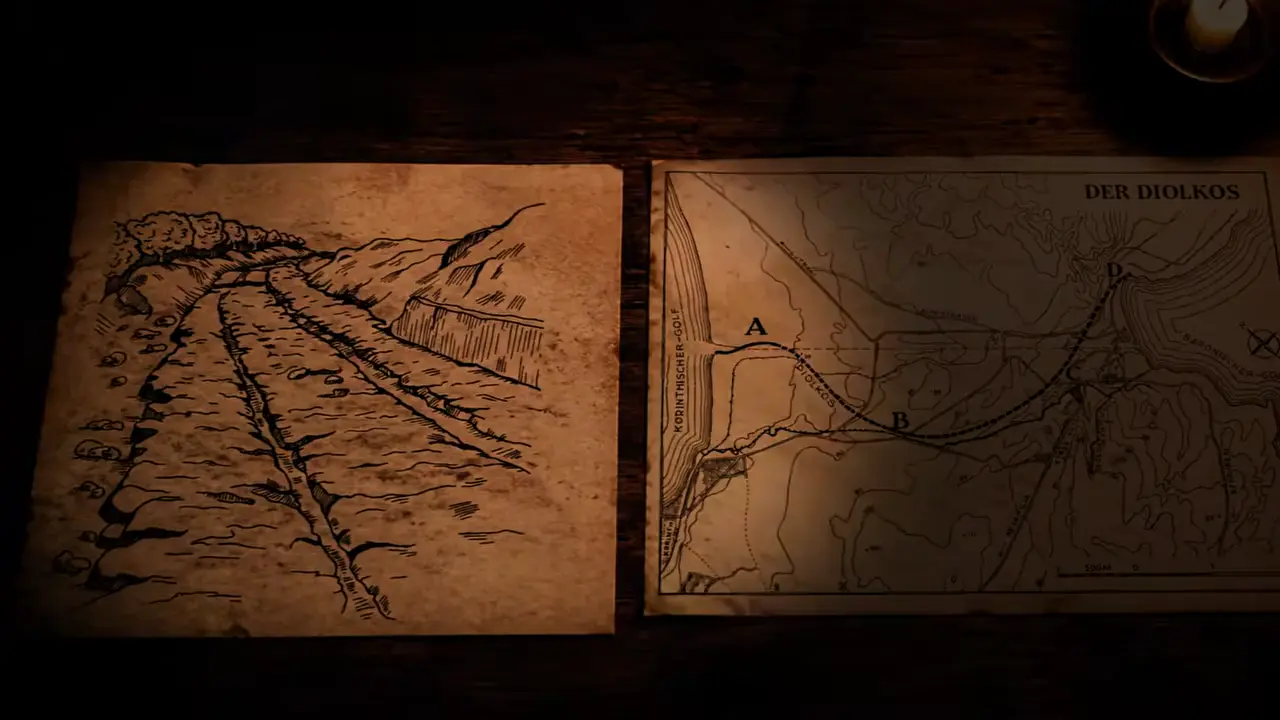
The road’s antiquity is supported by literary tradition, but archaeology has confirmed only about 1 km of its length; the rest is inferred [V9]. Surviving stretches are visible on modern mapping platforms and accessible from New Corinth [8]. The construction of the Corinth Canal — begun under Nero in AD 67 and finally opened in 1893 — physically sliced the Diolkos in two, though in 2023 Greece erected a roughly two-million-euro barrier to protect the remnants from canal ship wash.
Sediment cores from McCargoe Cove on Isle Royale provide direct geochemical evidence: elevated lead, copper, and potassium concentrations between 6,500 and 5,400 years ago exceed natural background levels, and a coherent cessation of lead emissions after approximately 5,400 yr BP at multiple sites—including the Keweenaw Peninsula—coincides with the onset of drier regional conditions documented in paleoclimate records [9]. Lead concentrations then remained at background levels until modern industrial pollution resumed near AD 1860.
Between approximately 1050 and 1100 CE, people from the Mississippian civilization centered in southern Illinois established a fortified town at Aztalan, living alongside the site’s existing Late Woodland residents [11] [V10].
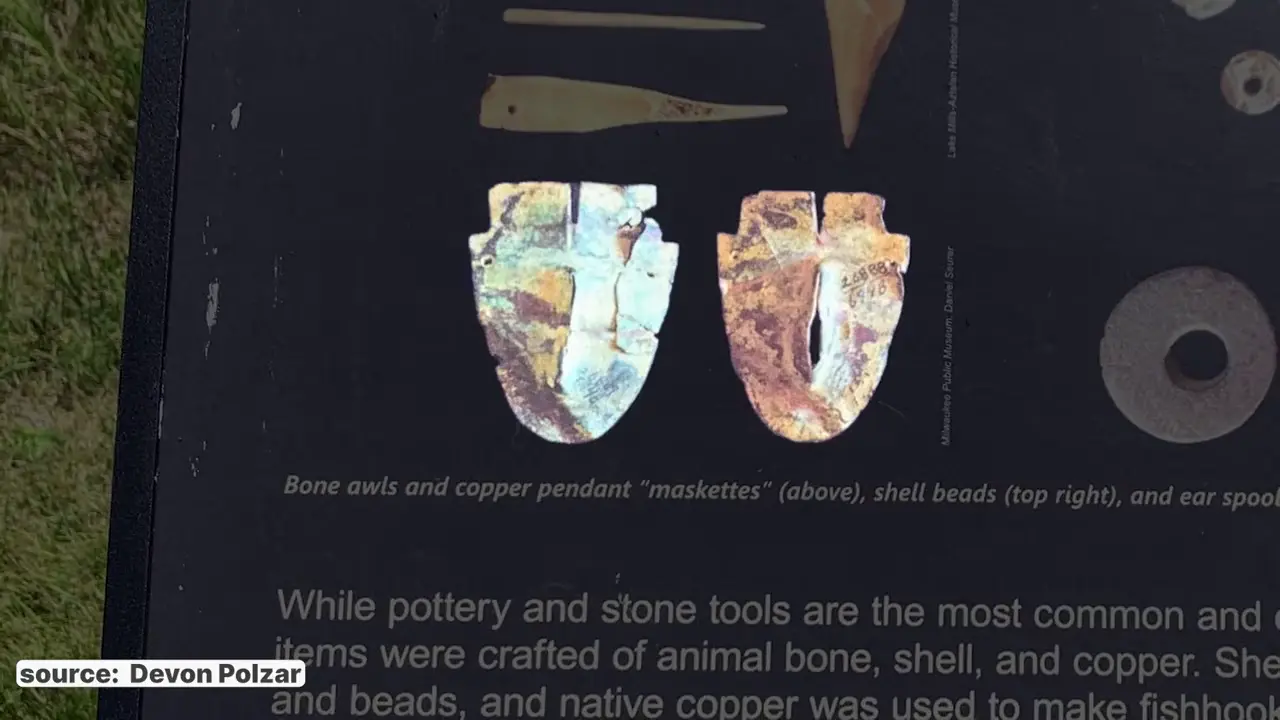
Material evidence reinforces this connection. Long-nose ear ornaments characteristic of Cahokia appear at Aztalan, though they are rarely documented at other Mississippian sites. Copper artifacts were sourced from Upper Michigan, consistent with participation in the broad Mississippian exchange network that stretched from Oklahoma to Georgia and from the Gulf of Mexico to the Great Lakes. Some researchers propose that Cahokia served as the center of a polity — the “Ramey state” — that exerted regional influence over outposts like Aztalan. These northern missionary settlements, established as far as 500 miles from Cahokia between 1050 and 1150, ultimately failed [10]. Despite its ties to Cahokia, Aztalan housed only about 500 people within its walls, far smaller than other Mississippian cities.

Sources
- A revised radiocarbon chronology for the mammoth bone …
- An Unfinished Museum: 125 Years of the Valentine
- Muyuqmarka (circular structure) at Sacsayhuaman Peru …
- Ancient Hydraulic Engineering by Kenneth R. Wright
- 819 Cycle
- Geographic Identities of the Sacrificial Victims from the …
- Toprakkale Castle | KÜRE Encyclopedia
- Finding the Diolkos
- Copper mining on Isle Royale 6500–5400 years ago identified using sediment geochemistry from McCargoe Cove, Lake Superior
- Mississippian period (archaeology)
- History | Aztalan State Park - Wisconsin DNR
Videos
V1. Timeless with Fred Snyder — “”Swastika Meanders” came from natural Mammoth Ivory features” V2. Institute for Natural Philosophy — “The Roundtable Chronicles - Ep. 38” V3. The Randall Carlson — “Year 536 Was the Worst Year to Be Alive” V4. Earth Explorer — “ANCIENT ENGINEERING The Hidden Megaliths & Dark Chinkana of Sacsayhuamán Earth Explorer” V5. Michael Button — “The Maya Knew Something They Shouldn’t Have” V6. Michael Button — “The Maya Knew Something They Shouldn’t Have” V7. World of Antiquity — “10 Shocking Ancient Events Not Taught In School” V8. Matthew LaCroix — “I Dove Lake Van’s Underwater Ruins and Found a Lost City | LCP #3” V9. Dark5 Ancient Mysteries — “Ancient Super Roads That Shouldn’t Exist” V10. Archaeologist Ed Barnhart — “Aztalan: Cahokia’s Failed Colony”
Keep exploring
Every site on this page sits on the globe, and the people who research them are on the Discord.
3D Globe · Sites by country · Story Archive · Research Library · Weekly Journal · Search