

Week of September 14: 17,000 Artifacts at Sanxingdui, 557M-Year Cnidarian, and More
Six newly excavated sacrificial pits at Sanxingdui yielded more than 17,000 artifacts in bronze, jade, gold, ivory, and elephant tusk. The formal description of Auroralumina attenboroughii from the Ediacaran rocks of Charnwood Forest confirmed the oldest known crown-group cnidarian at approximately 557–562 million years old, predating the Cambrian diversification of animal life. Meanwhile, excavations at a Roman villa near Rossett revealed the first Roman villa discovered in North Wales, featuring a winged corridor plan with painted wall plaster and a hypocaust central heating system.
Six newly excavated sacrificial pits at Sanxingdui yielded more than 17,000 artifacts in bronze, jade, gold, ivory, and elephant tusk. The formal description of Auroralumina attenboroughii from the Ediacaran rocks of Charnwood Forest confirmed the oldest known crown-group cnidarian at approximately 557–562 million years old, predating the Cambrian diversification of animal life. Meanwhile, excavations at a Roman villa near Rossett revealed the first Roman villa discovered in North Wales, featuring a winged corridor plan with painted wall plaster and a hypocaust central heating system.
New Excavations & Fieldwork
The Roman villa near Rossett, Wales, holds the distinction of being the first Roman villa discovered in North Wales [1]. The site features a classic Romano-British winged corridor plan, identified through a 2020 magnetometry geophysical survey that revealed wall lines with crisp definition [V3] [V2]. While the villa’s construction date remains undetermined, Historic England observes that the original building and later plans cannot be compared to the typical evolutionary sequence of a winged corridor villa [2].
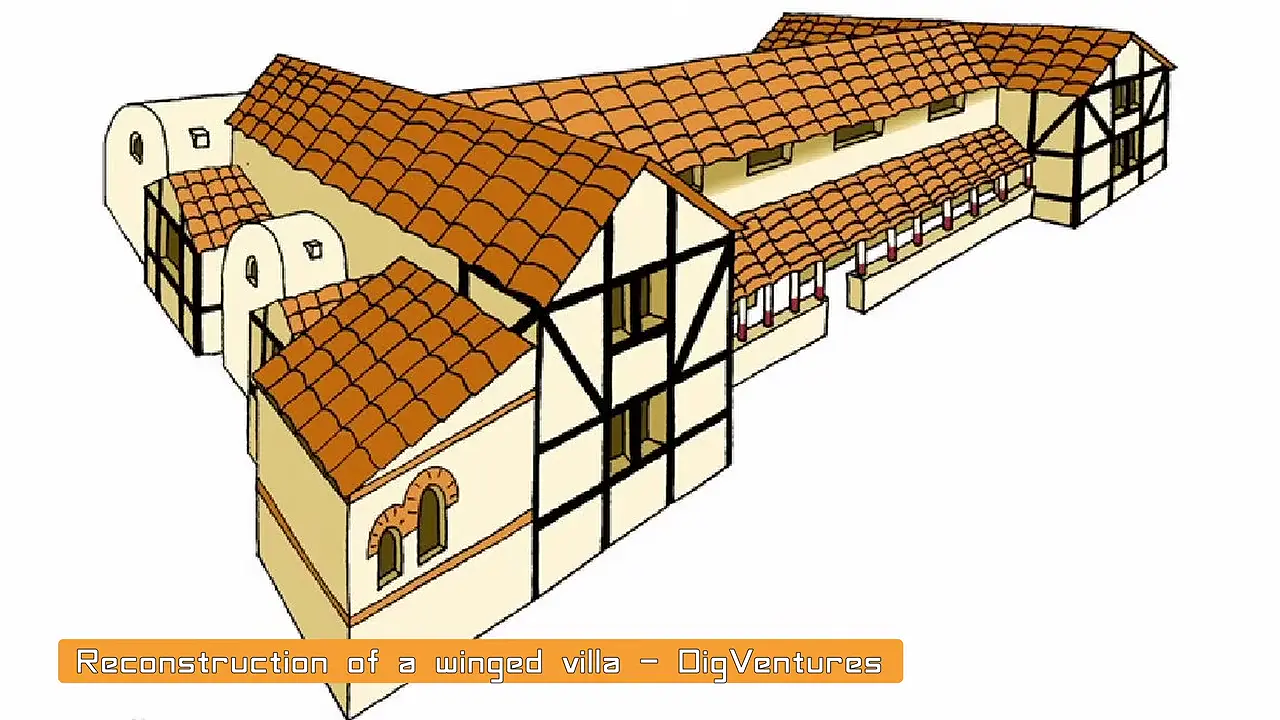
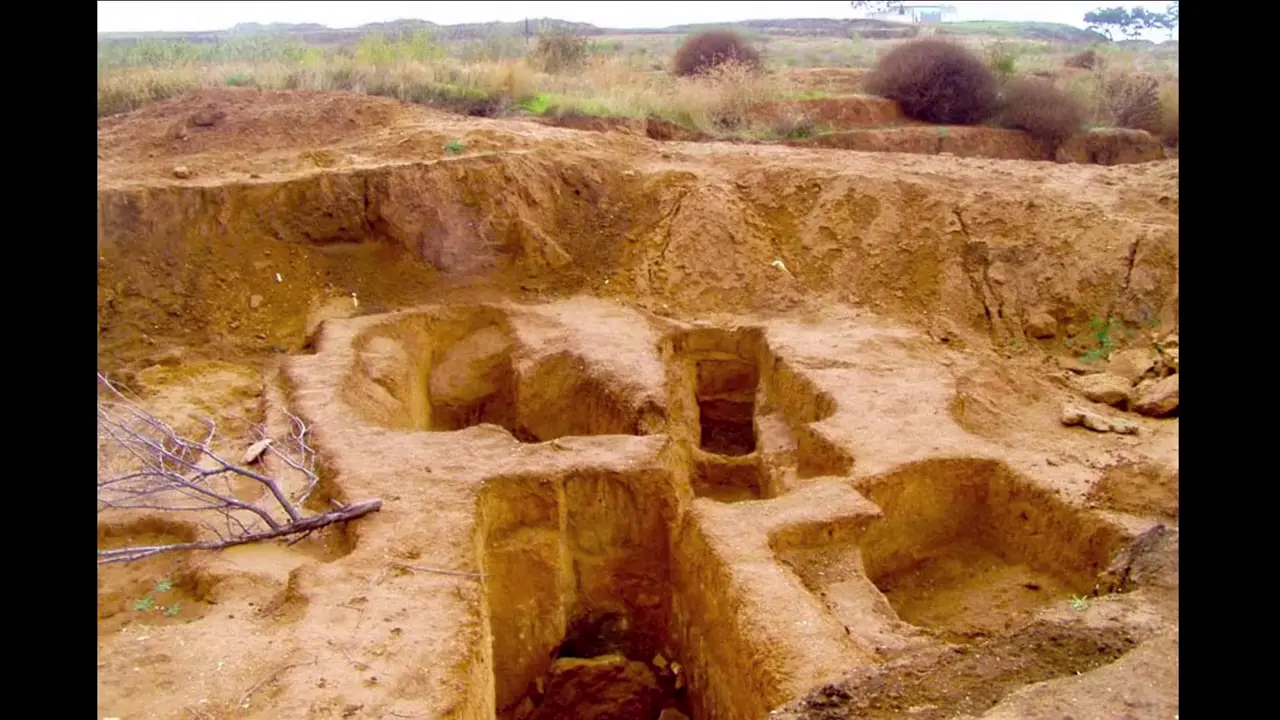
The 2021 excavation season uncovered approximately one third of the main domus, exposing painted wall plaster alongside a hypocaust central heating system with box flue tiles bearing geometric designs, a furnace, and a stoke hole [V1]. A west wing or annex approximately 4 meters wide featured substantial walls, intact opus signinum mortar flooring, and partition walls with later additions—interpreted as ancillary rather than the main residence. An additional building range is considered a possible bath house, positioned roughly 5 meters from Pulford Brook for water access. Magnetometry also revealed large areas of industrial burning near the annex, and a copper alloy enameled hairpin suggests women were present. The household is reconstructed as an extended family likely including enslaved people, with farm workers possibly residing in outlying buildings. The broader complex includes outbuildings, an associated field system, and a trackway interpreted as high-status.

Eight rectangular pits have been identified at Sanxingdui, all aligned in the same direction. Formally termed sacrificial pits (牺牲坑) in Chinese reporting, the six new pits yielded more than 17,000 artifacts in bronze, jade, gold, ivory, and elephant tusk [3], though some press accounts cite “over 500 items,” an unresolved numerical discrepancy.
Remote Sensing & Technology
In the 1980s, the King’s Chamber floor of the Great Pyramid of Giza was subjected to both microgravimetry and electromagnetic surveys — two non-invasive techniques aimed at detecting what lay beneath the ancient paving [V5]. Microgravimetry located small negative, low-density anomalies in the northeastern, southeastern, and southwestern corners of the floor, while the electromagnetic survey recorded anomalies below the floor in the southwestern and northeastern corners but found nothing in the southeastern corner, making the two datasets asymmetric in that location. Both methods also registered a large anomaly at the center of the room, which corresponds spatially to a known historical excavation pit beneath the sarcophagus, sunk to a depth of roughly 4.2 meters during the 1837 explorations of Vyse and his associates [V4] [V6].
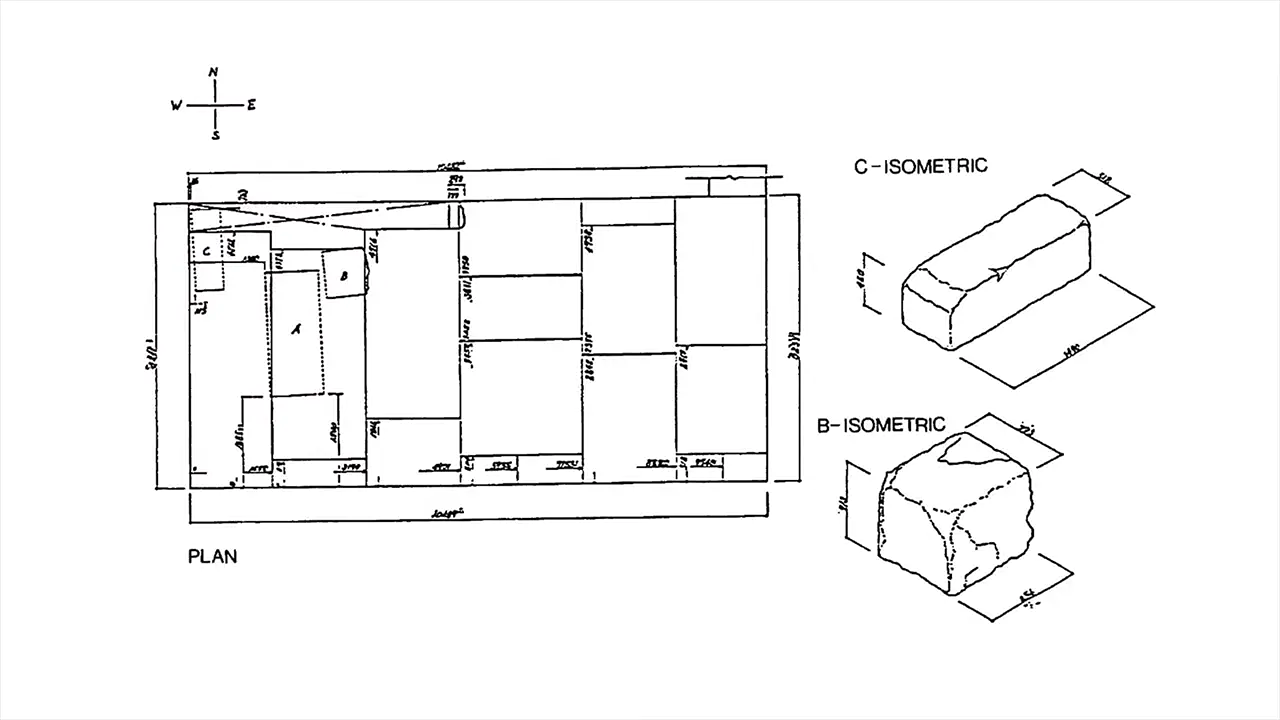
The southeastern-corner discrepancy between the two methods may stem from a difference in fill composition in that corner, perhaps limestone rubble rather than quartz sand, since electromagnetic response depends on electrical property contrasts whereas gravimetry senses bulk mass deficit regardless of fill type [V5]. The surveys fit within a broader program of geophysical anomaly mapping in the King’s Chamber and its relieving chambers above, including later thermal-multiphysics work, and a 2020s re-evaluation has even proposed that high-precision microgravimetry could in principle be deployed to map hidden chambers elsewhere in the Great Pyramid [4].
Bioarchaeology & Ancient DNA
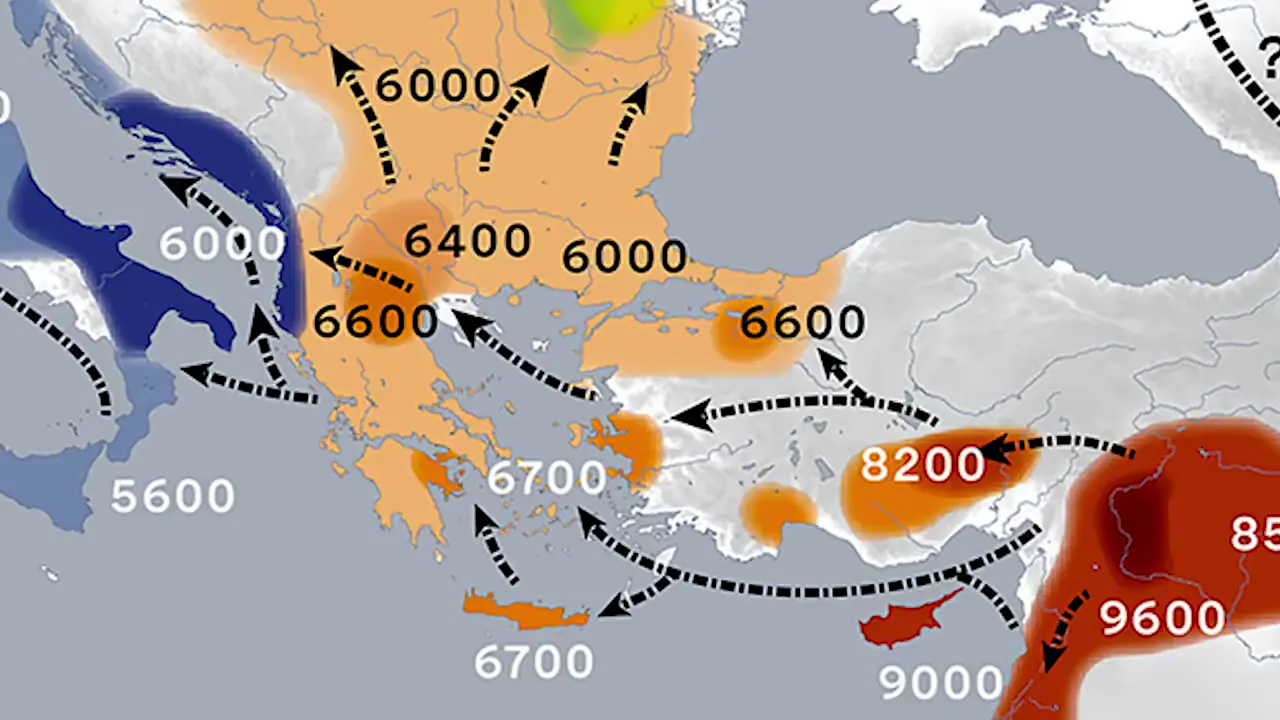
VC32 from Vinča-Belo Brdo dates to 5616–5477 cal BC and belongs to the underlying Starčevo occupation beneath the tell, not to the Vinča cultural horizon itself [V7]. He carried Y-DNA haplogroup G2a and mitochondrial HV, placing him close to Neolithic Anatolian farmers rather than to local Balkan hunter-gatherers. Indigenous Balkan foragers nevertheless contributed ancestry: generally up to ~10% in Balkan Neolithic farmer genomes, but rising to roughly a 50/50 farmer/hunter-gatherer ratio at the Iron Gates.
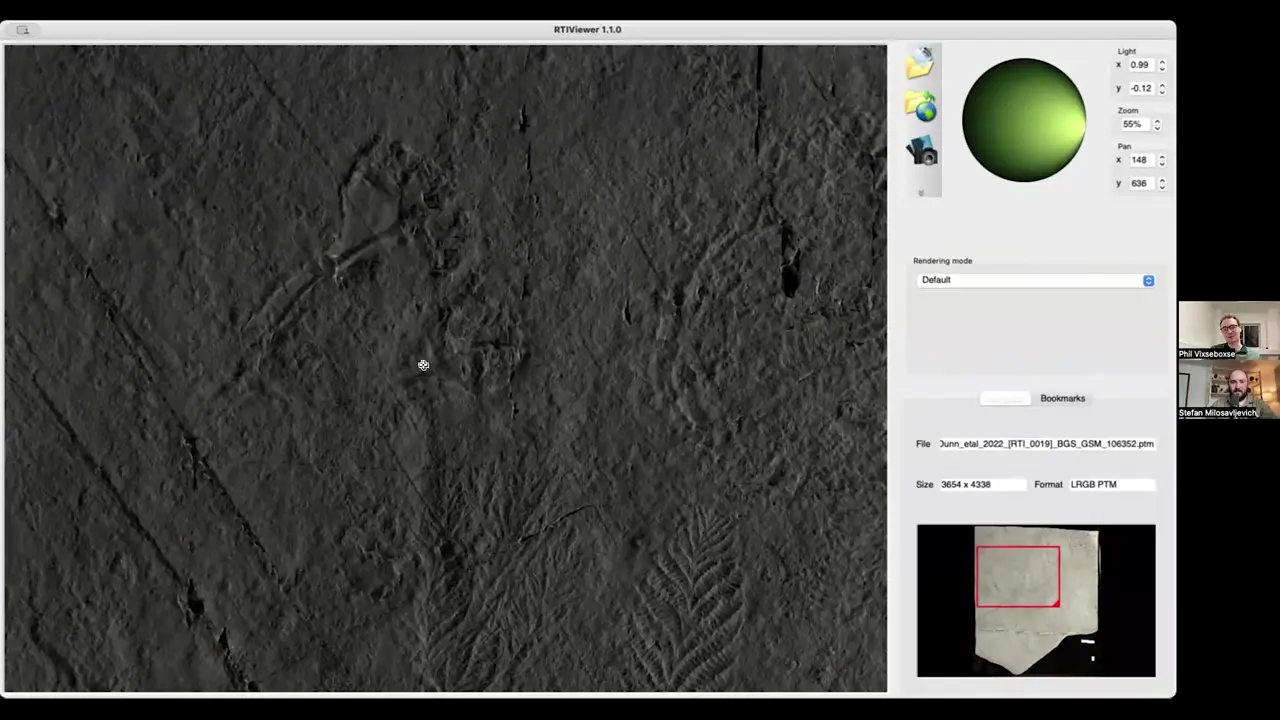
In 2022, Frankie Dunn formally described Auroralumina attenboroughii from the Ediacaran rocks of Charnwood Forest, UK, representing the oldest known crown-group cnidarian at approximately 557–562 million years old. The fossil’s distinctive tuning-fork morphology consists of two bifurcating polyps enclosed within a rigid, polyhedral organic skeleton, with each “fork” terminating in a cup-like structure that likely housed anemone-like polyps bearing simple, densely packed tentacles [V8]. Phylogenetic analyses place Auroralumina as a stem-group medusozoan — situated on the lineage leading to Medusozoa (the group containing modern jellyfish) — making it the earliest confirmed representative of a living animal phylum, predating the Cambrian diversification of animal life by tens of millions of years. Notably, the creature displays a mosaic of features, with some characters aligning it to early medusozoans while others are more typical of Anthozoa (corals and sea anemones), complicating straightforward placement within any single modern cnidarian class.
Architecture & Monuments
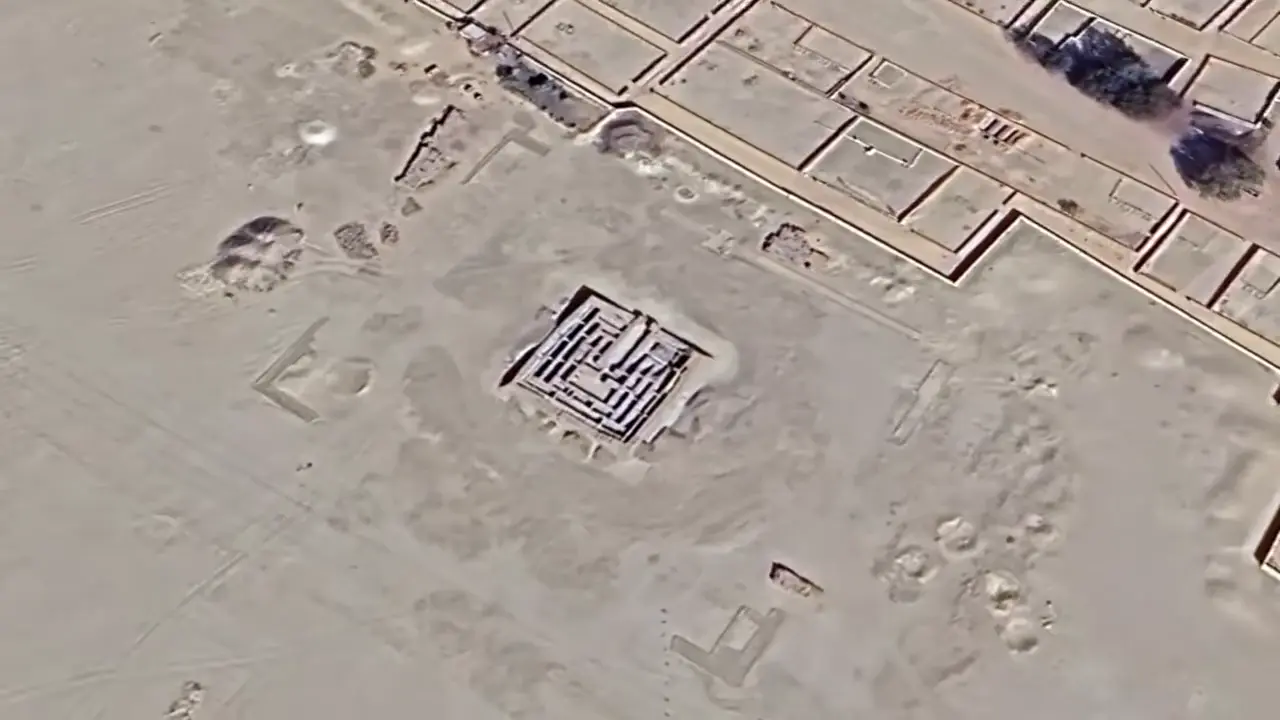
Approximately 500 meters southwest of the Pyramid of Ahmose I at Abydos stands a monument of unusual historical importance: the last royal pyramid ever built for an Egyptian queen [V10]. Commissioned by Pharaoh Ahmose I, founder of the 18th Dynasty, the structure was erected to honor and deify his grandmother, Queen Tetisheri of the late 17th Dynasty [6] [V9]. Inside the pyramid, excavators discovered a monumental stela roughly two meters high, recovered in 1902 by Charles Currelly during Egypt Exploration Fund excavations and now housed in the Egyptian Museum in Cairo. Its inscriptions explicitly reference both a pyramid (Egyptian ‘mer’) and an associated enclosure (‘hut’), providing rare textual confirmation of the monument’s architectural components [5].
It sits at the Sakuramon Gate on the east side of the castle’s central core, where the surrounding wall section was constructed in 1624 during the broader Tokugawa-period rebuilding (c. 1620–1628) that followed the 1615 destruction of Toyotomi Hideyoshi’s original fortress [V11].
The framing of Osaka Castle’s stones as “megalithic” remains contested. One video presentation argues that foundational stones may predate the conventional Tokugawa reconstruction, suggesting the rebuilding was designed in part to erase the Toyotomi legacy, and further claims the Takoishi ranks among the largest single stones in any Japanese castle wall—an assertion not corroborated by governmental or institutional sources [V11] [V12]. Detailed physical features observed within the walls—including a weathered circular mason mark, interlocking joints resembling Japanese woodworking joinery, dowel rods connecting blocks, and an outer casing layer that has been knocked off—are described for stones in the walls generally rather than specifically attested for the Takoishi itself.

Ancient Art
The Spiro Mounds site stands as one of the most prolific centers of artistic production within the Southeastern Ceremonial Complex (SECC), with its iconography spreading to sites like Etowah and Moundville, sometimes carried by marine shells exported from Spiro itself [V13]. Cahokia served as the early birthplace of the Braden tradition, with its formal definition ultimately derived from engraved shell cups found at Spiro [7]. AMS radiocarbon dating places Braden A style at Cahokia around 1275 CE, yet Cahokia was abandoned around 1200 CE while Spiro rebounded to peak population between 1250 and 1350 CE [V14].
This later phase saw the emergence of the Craig style in the fourteenth century, representing a fusion of Cahokian traditions with other influences [8].
In Brief
The plant assemblage broadened to include lentils, vetch, wild barley, oats, pistachios, almonds, wild pears, and peas, with cereals and legumes becoming regular after about 7,900 BCE. Mesolithic deposits also show a dramatic rise in sea bream, bass, mullet, and probably tuna, alongside masses of marine shells [V15]. Behind these economic shifts, loss of the Late Pleistocene coastal steppe-woodland habitat to post-glacial sea-level rise acted as the catalyst for selective introduction of domesticated cereals rather than a wholesale package introduced by incoming populations.
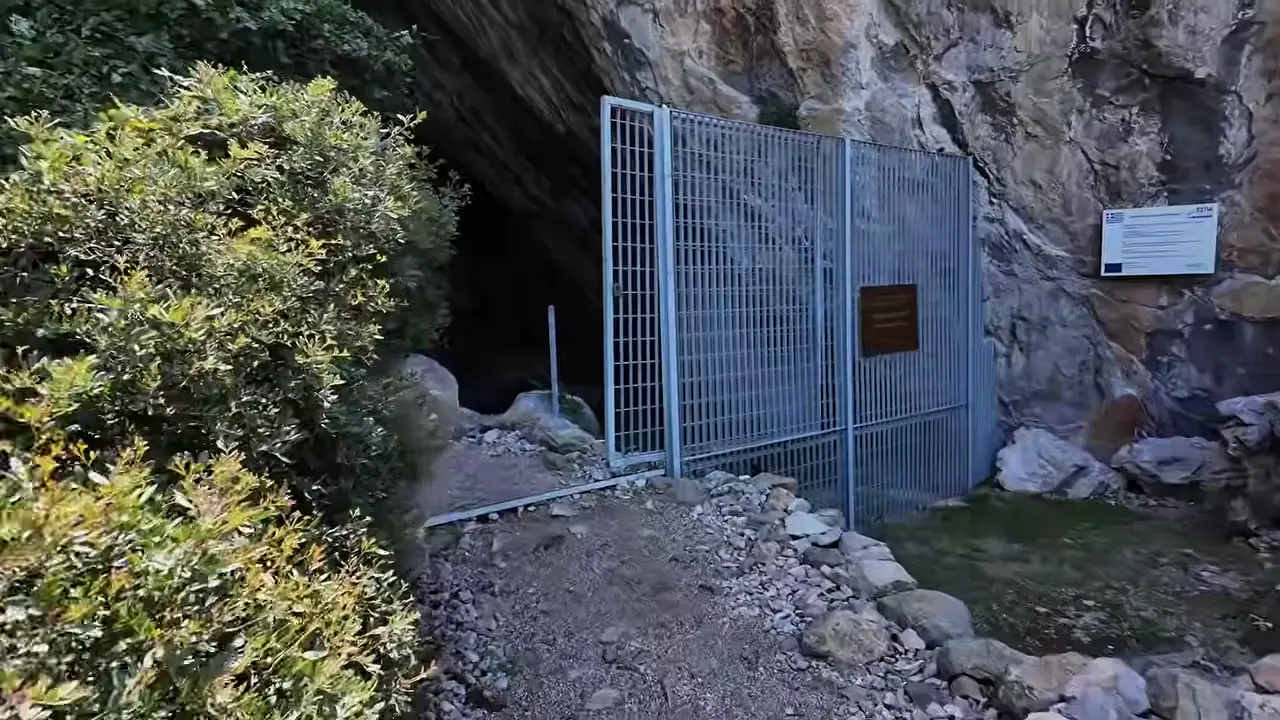
The most famous is a young man (~25) laid on his back in a shallow pit, legs folded behind and hands on chest, on crushed shell and ash beneath a small mound of stones. A 2025 direct-dating study has now confirmed Mesolithic human bones within Franchthi’s ~40,000-year sequence [9].
Catacombs are reported to exist beneath Sacsayhuaman, the massive Inca ceremonial complex overlooking Cusco, Peru, with the first written mention appearing as early as the 1500s in the work of a writer of half-Inca, half-Spaniard heritage — a description that closely matches the chronicler Garcilaso de la Vega, though the source does not name him and no provided material confirms the identification [V16]. Despite these early references, only in recent years have Peruvian authorities begun properly investigating and excavating the underground chambers, which are suspected to have been extensively looted before any official archaeological work could begin. Sacsayhuaman itself has long been recognized as a major monument: the site was excavated in the twentieth century and was inscribed as part of the City of Cusco UNESCO World Heritage Site in 1983 [10].

However, the strength of these catacomb claims is limited by significant sourcing issues. That source’s framing indicates engagement with alternative-historical narratives rather than mainstream scholarship, warranting caution despite its “Reputable” flag [V16]. Until peer-reviewed fieldwork is published, the existence and nature of these chambers remain provisionally attested rather than established.
Dated between the late 2nd century BC and the mid 3rd century CE, they measure 3–8 cm in diameter — the same size range as the Roman dodecahedra that have long puzzled scholars [V17].
Neapolis, also known as Kermenchik, lay near modern Simferopol and served as the Royal Scythian capital from the 3rd century BC, holding richly furnished tombs. In the late 1st–2nd centuries CE, Crimean Scythia was entangled with the Bosporan kingdom and Rome, fighting as a Bosporan ally in the Bosporan–Roman War [11]. Yet because Celtic frontier territories maintained contact with the Pontic steppe from roughly 450 BC onward while the Roman heartland did not, the most plausible route for these forms is a steppe-mediated westward transmission rather than a Roman origin [V17]. One source’s reference to 72 richly furnished “Neapolis” tombs may relate to Scythian Neapolis or to a different ancient city bearing the same name [12].
The Younger Dryas impact hypothesis (YDIH), first proposed by Firestone et al. in 2007, posits that a cosmic event approximately 12,900 years ago triggered abrupt cooling and contributed to megafaunal extinctions. Proponents cite a carbon-rich black layer at roughly 50 Clovis-age sites containing magnetic grains with iridium, microspherules, nanodiamonds, and fullerenes with extraterrestrial helium, alongside reported shocked quartz, hexagonal diamonds, a platinum anomaly in Greenland ice cores, and impact melt products [20]. Bayesian analyses have placed the Younger Dryas boundary at 12,835–12,735 Cal B.P. across four continents [15].

The hypothesis remains deeply contested. Critical characterizations include Pinter et al.’s 2011 paper titled “A requiem” (179 citations) in Earth-Science Reviews, Wikipedia’s “fringe hypothesis” label, and Chapman’s 2025 Skeptical Inquirer piece “A Failed Hypothesis” [17] [18]. Independent evaluations and critical assessments have appeared in Earth-Science Reviews and Science Advances. Powell (2022) argues the YDIH may represent “premature rejection,” drawing parallels to historically rejected but later-accepted ideas [14]. A 2024 Heritage Daily article referenced “new evidence supporting” the hypothesis, though Heritage Daily is a news aggregator rather than a primary source [19].
Critically, claims that the YDIH team has “published 4–6 papers in the past six months” and that the hypothesis is “moving toward accepted theory” originate solely from a single YouTube speaker [V18] and cannot be independently verified. The Younger Dryas cooling itself (~12,900–11,600 years ago) is well established, though its causal mechanism remains debated [16] [13].
A 15-17 m deep excavation at Apple Grove, West Virginia, located 238 km downstream from the nearest mapped Lake Wisconsin glacier margin, exposes a striking paleoflood record: a lower boulder unit 0-1 m thick resting directly on the bedrock floor of the Ohio River valley, with the five largest boulders averaging roughly 0.9 m across [V19]. Paleohydraulic equations applied to these boulders yield an estimated mean flow depth of about 64 m and a peak discharge of approximately 212,000 m³/s — roughly 7.5 million cubic feet per second — about eleven times greater than the January 1937 flood, the largest historic Ohio River flood, which crested more than 19 ft above flood stage at Huntington, WV [21]. The presence of Canadian Shield erratics is interpreted as supporting a jökulhlaup (glacial outburst flood) origin rather than precipitation-driven runoff, consistent with meltwater routed from the retreating Laurentide ice sheet.
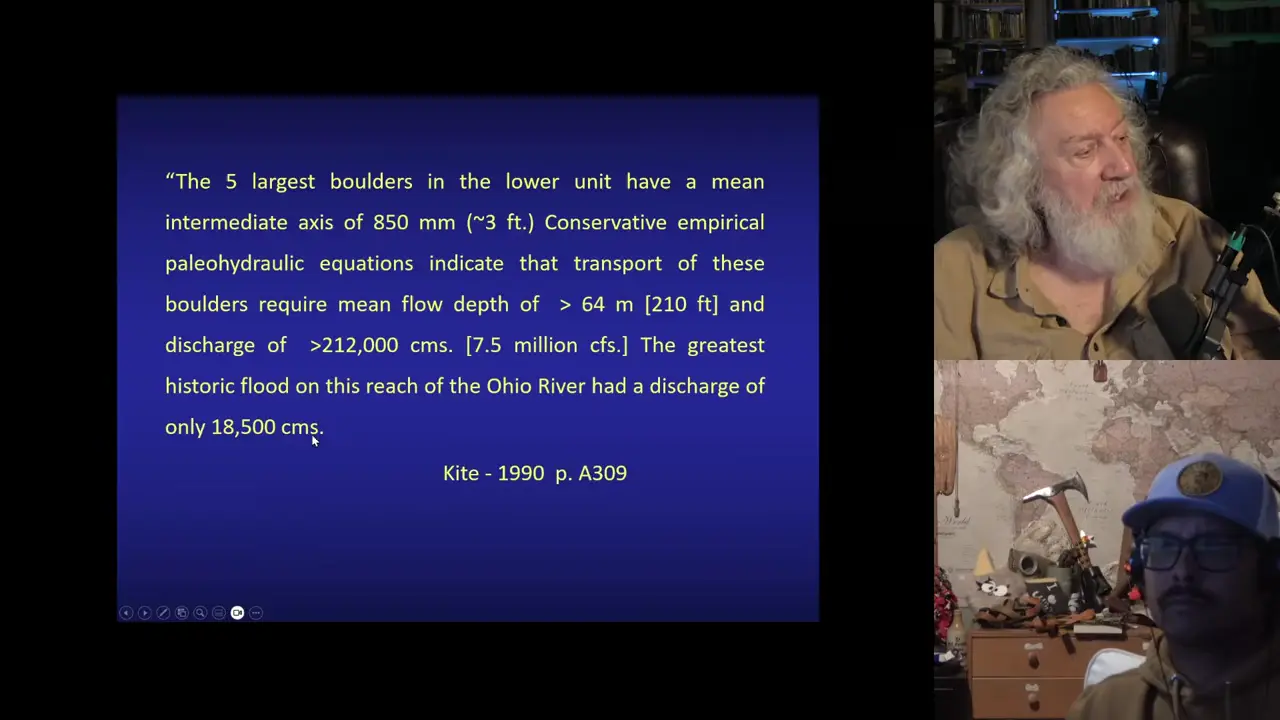
Several caveats temper these reconstructions. The principal source is a Randall Carlson presentation publicly associated with advocacy for Younger Dryas-impact megaflood hypotheses — a contested framework — making it an advocacy-informed secondary source rather than a neutral geological report [V19]. Documentation of the specific paleohydraulic equations and channel-geometry assumptions used at the site is absent, limiting independent verification. Setting aside the deep-time record, Apple Grove today remains on hydrological monitoring lists as a flood-prone Ohio River community, with 49 properties (31.4%) assessed at significant flood risk over the next 30 years.
Sources
- Rossett Roman Villa - DigVentures
- Historic England Research Records
- Newly discovered sacrificial pits at the Sanxingdui site - ScienceDirect.com
- The discovery of the “muons-chamber” in the Great pyramid …
- ABYDOS - Institute for the Study of Ancient Cultures
- Tetisheri Pyramid and cemetery discovery - The Past
- (PDF) Cahokia and the Southeastern Ceremonial Complex
- The Emergence of an Art Style and Associated Cultrual …
- Scientists Analyze Bones From Greece’s Franchthi Cave
- Sacsayhuaman: Fortress Of Cusco, Peru
- Weapons in Obsequial Rite of Ust-Alminsk Necropolis …
- Information about the place NEAPOLIS (Ancient city) …
- What Caused the Younger Dryas Cold Event? | Geology
- Premature rejection in science: The case of the Younger Dryas …
- Bayesian chronological analyses consistent with synchronous age of 12,835–12,735 Cal B.P. for Younger Dryas boundary on four continents
- Younger Dryas | Definition, Causes, & Termination
- The Younger Dryas impact hypothesis: A requiem
- Younger Dryas impact hypothesis
- Study uncovers new evidence supporting Younger Dryas …
- Large Pt anomaly in the Greenland ice core points to a cataclysm at the onset of Younger Dryas
- Flood of 1937
Videos
V1. Inside Archaeology — “What Did I Discover Digging Up This Roman Villa in Wales” V2. Inside Archaeology — “What Did I Discover Digging Up This Roman Villa in Wales” V3. Inside Archaeology — “What Did I Discover Digging Up This Roman Villa in Wales” V4. Ancient Architects — “What’s Below the Floor of the Great Pyramid King’s Chamber?” V5. Ancient Architects — “What’s Below the Floor of the Great Pyramid King’s Chamber?” V6. Ancient Architects — “What’s Below the Floor of the Great Pyramid King’s Chamber?” V7. Timeless with Fred Snyder — “Vinča people (from genetics, writing, tech, etc.)” V8. Stefan Milo — “The strange animals EVERYTHING descends from” V9. Ancient Architects — “The LAST PYRAMID of Egypt was NOT a Tomb!” V10. Ancient Architects — “The LAST PYRAMID of Egypt was NOT a Tomb!” V11. Wandering Wolf — “Japan’s Castles Have Megalithic Mysteries (Himeji, Osaka, Tokyo)” V12. Wandering Wolf — “Japan’s Castles Have Megalithic Mysteries (Himeji, Osaka, Tokyo)” V13. Archaeologist Ed Barnhart — “Spiro Mounds: The Pyramids of Oklahoma” V14. Archaeologist Ed Barnhart — “Spiro Mounds: The Pyramids of Oklahoma” V15. The Prehistory Guys — “Franchthi Cave: A Window into Prehistoric Europe” V16. DeDunking — “Americas & Pacific Island Elongated Skull Breeding Cult Q&A” V17. Curious Being — “The Roman Dodecahedron Wasn’t Roman: The Forgotten Eurasian Connection” V18. The Cosmic Summit — “3 School Teachers: The Curriculum Is the Problem, Not the Students” V19. The Randall Carlson — “Niagara, Watkins Glen & the Flood That Buried North America”
Keep exploring
Every site on this page sits on the globe, and the people who research them are on the Discord.
3D Globe · Sites by country · Story Archive · Research Library · Weekly Journal · Search