

Week of August 3: 2,600-Year-Old Picene Chariot Burial, Hiawatha Crater Redated, and More
A 2,600-year-old Picene funerary complex organized around a prince's tomb containing a two-wheeled chariot, helmet, axe, and weapons has been identified near Sirolo on Italy's Adriatic coast. The 31-kilometer-wide Hiawatha impact crater beneath Greenland has been redated to 57.99 ± 0.54 million years ago via multiple radiometric analyses, separating it from any Younger Dryas scenario. Genome-wide ancient DNA from Roopkund Lake revealed three distinct ancestry clusters among remains dating to approximately 800 CE and 1800 CE, while a Rapa Nui DNA study spanning AD 1670 to 1950 showed steady population growth before European contact in 1722, directly refuting the ecological suicide hypothesis.
A 2,600-year-old Picene funerary complex organized around a prince’s tomb containing a two-wheeled chariot, helmet, axe, and weapons has been identified near Sirolo on Italy’s Adriatic coast. The 31-kilometer-wide Hiawatha impact crater beneath Greenland has been redated to 57.99 ± 0.54 million years ago via multiple radiometric analyses, separating it from any Younger Dryas scenario. Genome-wide ancient DNA from Roopkund Lake revealed three distinct ancestry clusters among remains dating to approximately 800 CE and 1800 CE, while a Rapa Nui DNA study spanning AD 1670 to 1950 showed steady population growth before European contact in 1722, directly refuting the ecological suicide hypothesis.
New Excavations & Fieldwork
A funerary complex over 2,600 years old, organized around the monumental tomb of a Picene “prince,” has been identified near the town of Sirolo on Italy’s Adriatic coast, close to Monte Conero [V1] [1]. It sits near the celebrated “Tomb of the Queen,” one of the richest known Piceni burials from the Adriatic Iron Age.
The central male burial contained a two-wheeled chariot placed alongside the deceased, accompanied by a helmet, an axe, and additional weapons [V1]. One source specifically identifies the vehicle as a “currus,” a distinctly Italic/Roman chariot form, while others use the general term “chariot”.
Remote Sensing & Technology
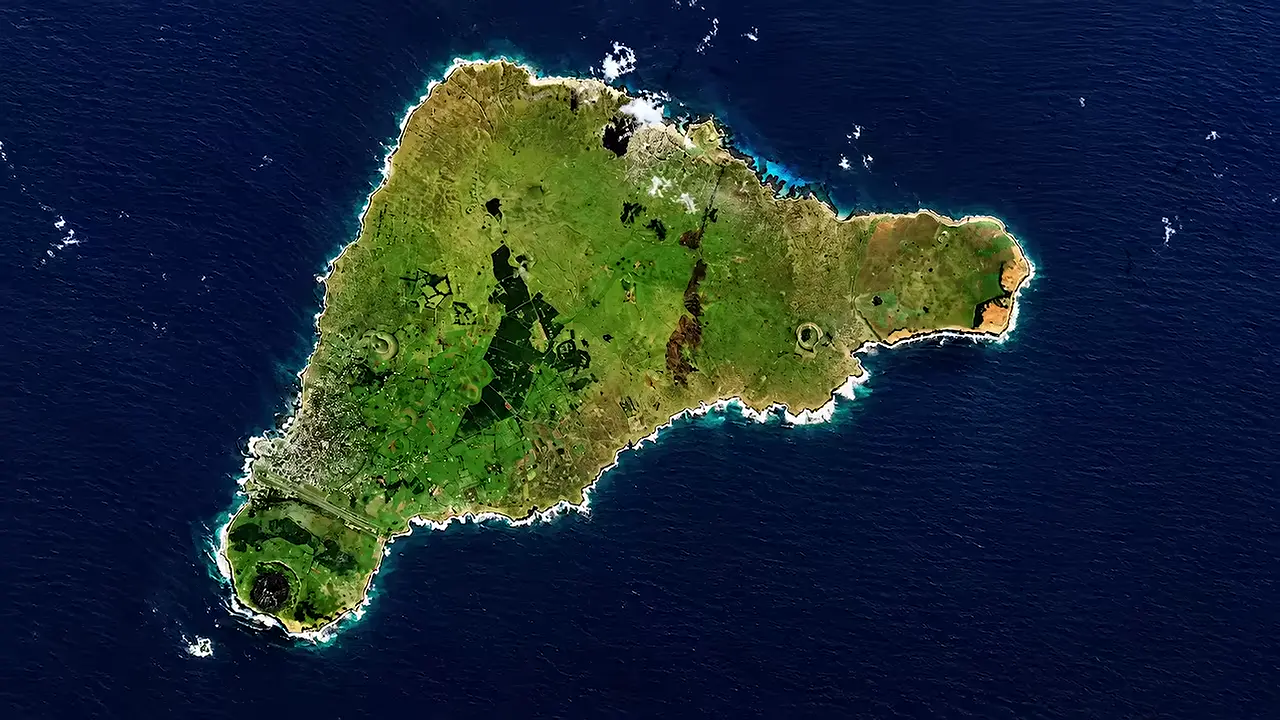
Rapa Nui farmers constructed these gardens by spreading broken volcanic rock across fields to retain moisture and shelter plants, with the sweet potato serving as the primary crop. The nutrient-rich volcanic rocks likely also helped fertilize the soil [2]. These findings challenge the long-popular “ecocide” narrative, instead supporting a view that islanders sustained a relatively small, resilient population in balance with their resources over the long term.
Bioarchaeology & Ancient DNA
The samples, dating between AD 1670 and 1950, show no genetic bottleneck or population crash before European contact in 1722 — instead, the population grew slowly and steadily from the 13th century through the 18th century [3] [4] [5] [V2]. These findings directly refute the “ecological suicide” hypothesis popularized by Jared Diamond, which held that Rapa Nui society had imploded before outsiders ever set foot on the island.
Researcher Maria Wheatley has identified two distinct types of elongated skulls among remains recovered from British long barrows: naturally elongated skulls, which she describes as 100 percent natural in form, and skulls that were artificially deformed using the board method [V3].

Roopkund Lake, perched at over 5,000 meters in the Himalayas, harbors one of the most puzzling skeletal assemblages ever uncovered. When melting ice exposed the remains to a forest ranger in 1942, the world learned that hundreds — possibly as many as 500 — skeletons lay scattered in and around the frigid waters. Radiocarbon dating has since resolved the assemblage into two temporally distinct groups separated by roughly a millennium: one dating to approximately 800 CE and the other to around 1800 CE [V4]. Alongside the bones, archaeologists recovered iron arrowheads, fur slippers, and wooden artifacts, while many skulls bear blunt force trauma suggestive of a sudden catastrophic event — which local folklore attributes to a devastating hailstorm sent by angered deities.

Genome-wide ancient DNA analysis of 38 individuals has deepened the mystery by identifying three distinct ancestry clusters within the remains. The earlier (~800 CE) group carried South Asian ancestry consistent with being indigenous to the region, and evidence suggests they were deposited across multiple events rather than a single disaster [V4]. Stable isotope analysis further supports distinct geographic origins or lifeways between the two main groups, raising the question of how such diverse peoples met their end at this remote Himalayan lake.
Architecture & Monuments
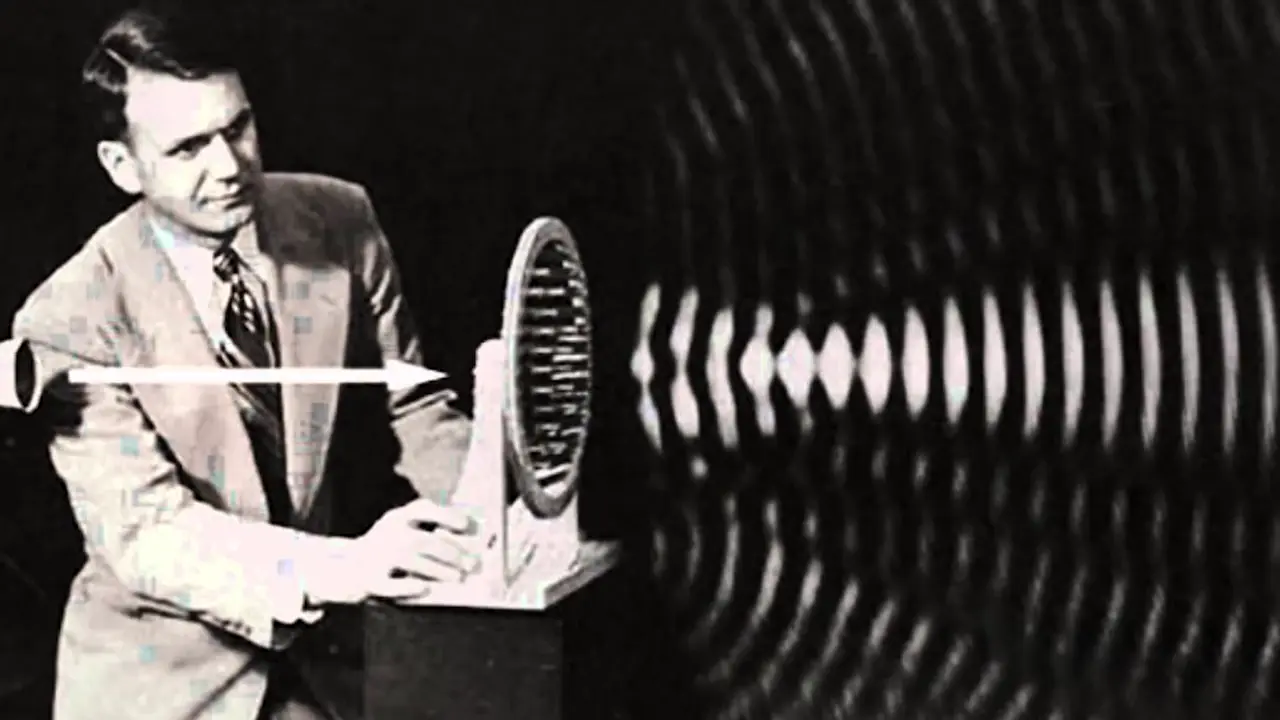
The specific acoustic measurements at the heart of this question — a 62-second echo in the Sudama chamber, a 72-second echo in the Vadatica chamber, and a 34.4 Hz infrasound resonance — appear in only one source within the research corpus: a non-peer-reviewed YouTube documentary by the Ancient Builders Project [V5]. These figures are not corroborated by any academic paper, governmental publication, or peer-reviewed encyclopedia entry consulted. A more general echo phenomenon is, however, acknowledged in heritage writing, where reverberations of “nearly three minutes” have been described [7]. The asymmetry — precise quantitative claims in a single popular video versus qualitative descriptions elsewhere — means the dramatic acoustic figures should be treated as unverified pending further acoustic study.
Their interiors are polished to a mirror-like sheen that remains an open scholarly question, with no consensus on how the finish was achieved. Ashoka dedicated the Barabar caves to the Ajivika ascetics around his 12th regnal year (~250 BCE), making these chambers among the only surviving material traces of a now-extinct religious tradition [6].
Inscriptions & Texts

Diogenes explained his motivation directly in the inscription’s opening, declaring that the fear of death and fear of the gods grip many people and that genuine joy is not generated by theatres and baths. The inscription offered a thorough summary of orthodox Epicureanism, covering physics, epistemology, and ethics, while upholding the doctrine that happiness — equated with pleasure and virtue — is the final telos toward which human nature strives. Woven into this synthesis was a sustained polemic against Stoic positions, particularly the Stoic conception of the gods, alongside critiques of Plato and Platonic psychology [V6]. Diogenes reserved the final portion of the wall for his own original contribution: a treatise on old age, making the monument not merely a compilation of Epicurean sayings but a hybrid of inherited doctrine and personal philosophical composition. Today it anchors a dedicated scholarly tradition, from Martin Ferguson Smith’s foundational editions to the 2017 Hammerstaedt, Morel, and Güremen collected volume on Epicureanism and philosophical debates [8] [9] [10].
In Brief
The syllogism links the platinum spike and volcanic sulfate spike through their respective temporal proximity to the Younger Dryas onset, concluding that the two spikes must be close in time to each other. It is explicitly framed as a logical fallacy rooted in a failed transitivity of temporal proximity: proximity to a shared event does not entail proximity between the two events [V7]. Charlotte Green et al. (2024/2025) directly illustrate this problem by reporting a chronological offset of approximately 45 years between the volcanic sulfate/sulphur spike in the NGRIP ice core and the platinum spike in the GISP2 ice core, with the sulfate spike preceding the platinum spike.

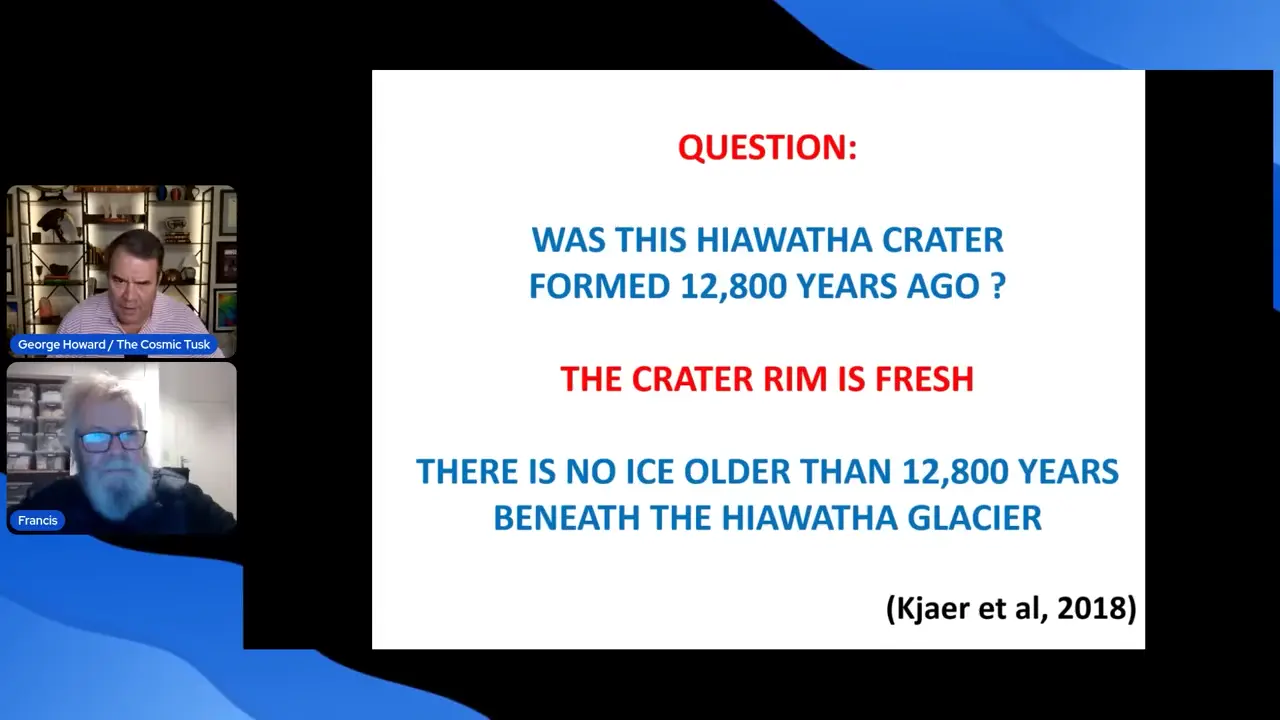
A 31-kilometer-wide impact crater was discovered beneath Hiawatha Glacier in northwest Greenland using airborne ice-penetrating radar, identified as a circular bedrock depression with an elevated rim beneath nearly a kilometer of ice [11]. Multiple independent radiometric analyses—40Ar/39Ar on glaciofluvial sand and U-Pb on shocked zircon and monazite—converge on a Late Paleocene age of 57.99 ± 0.54 million years, contemporaneous with the Paleocene Carbon Isotope Maximum. This is corroborated by U-Pb geochronology of shocked monazite revealing novel nanophases, while melt grain analysis shows mordenite microspherulites indicating impact into a water-rich terrestrial environment at approximately 250°C.
Regarding Younger Dryas connections, a large platinum anomaly was identified at the Bølling-Allerød/Younger Dryas boundary in the GISP2 Greenland ice core approximately 12,800 years ago, with Pt/Ir ratios exceeding known terrestrial and extraterrestrial materials and ruling out mantle and chondritic sources. However, the broader Younger Dryas impact hypothesis is characterized in mainstream scientific literature as widely refuted, with documented concerns about inconsistent evidence and the 2021 retraction of the Comet Research Group’s Tell el-Hammam paper after manipulated data was discovered [12]. Although NASA described Hiawatha in 2018 as “potentially one of the youngest large impact craters on Earth”, the Paleocene dating has since shifted the consensus, separating the crater from any Younger Dryas scenario.
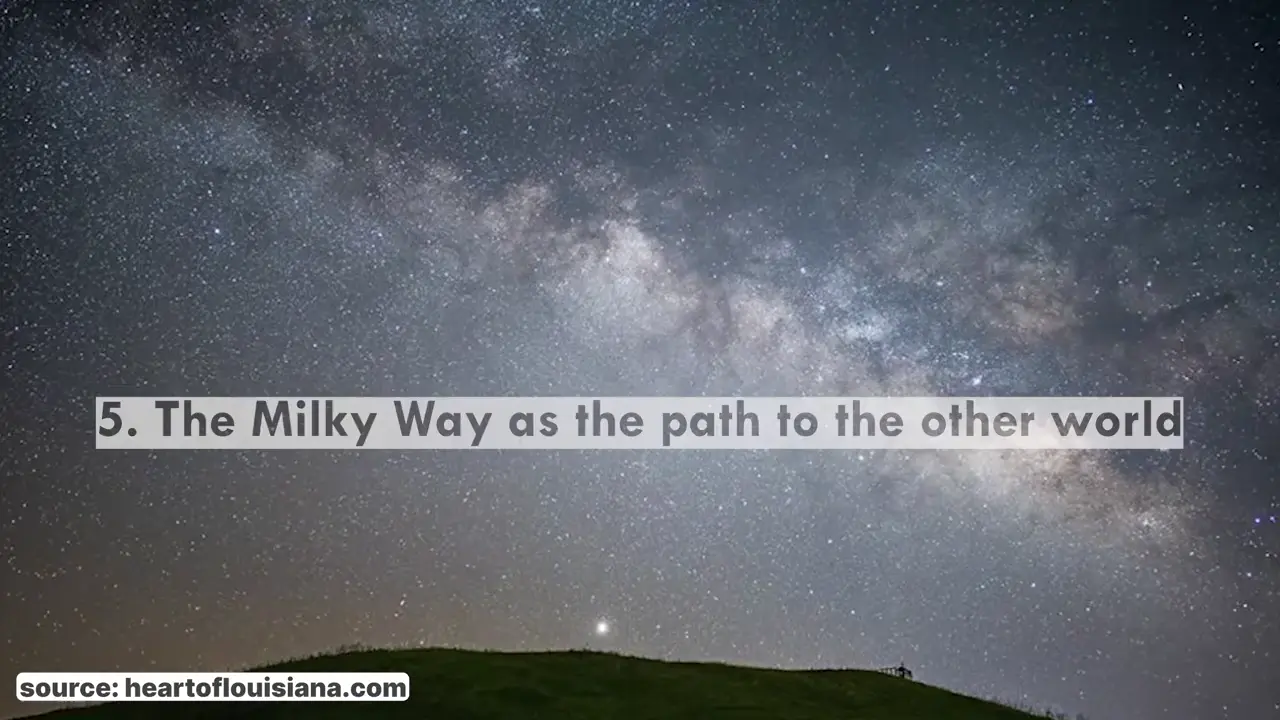
Across North America, Native American communities viewed the Milky Way as the road the dead follow to reach the afterlife in the underworld [V8] [14] [13]. Scholar William Roma conducted extensive research on this path-of-souls journey, linking it directly to monumental architecture. The Adena-Hopewell earthwork tradition is associated with the Milky Way Path of Souls concept, and at Cahokia, the main site axis and Rattlesnake Causeway align with the Milky Way Path of Souls at nightfall on the summer solstice circa 1050 AD. In particular, the Rattlesnake Causeway functioned as a terrestrial metaphor for the Milky Way Path of Souls used by the deceased to cross to the Land of the Dead. In Mesoamerican tradition, the Milky Way was conceived as a trail made by departing spirits, with souls following the path for four days to arrive in a land of peace, and Mississippian mysticism ritually enacted the Path of Souls through alignment with the Milky Way, Orion, and the lunar cycle.
The House of the Tiles at Lerna was destroyed by fire in the 22nd century BCE (c. 2200 BCE), with radiocarbon dating supporting this chronology [15] [V9]. Striking before construction was completed, the conflagration left an imposing pile of ruins in which thousands of fired clay roof tiles were preserved — ceramic elements retained their structural form through the fire while the building’s wooden superstructure burned away.

The Pedestals of Biamu (also spelled Biyahmū or Biahmu) are the basal remnants of two colossal seated statues erected by Pharaoh Amenemhat III, and they have been identified by modern researchers as the puzzling “pyramids in the lake” that Herodotus described from his vantage point at nearby Hawara [V10]. Amenemhat III is identified with the pharaoh the Greeks and Romans called “Moeris,” after whom the adjoining lake was named following his expansion of a natural basin by means of an irrigation canal.
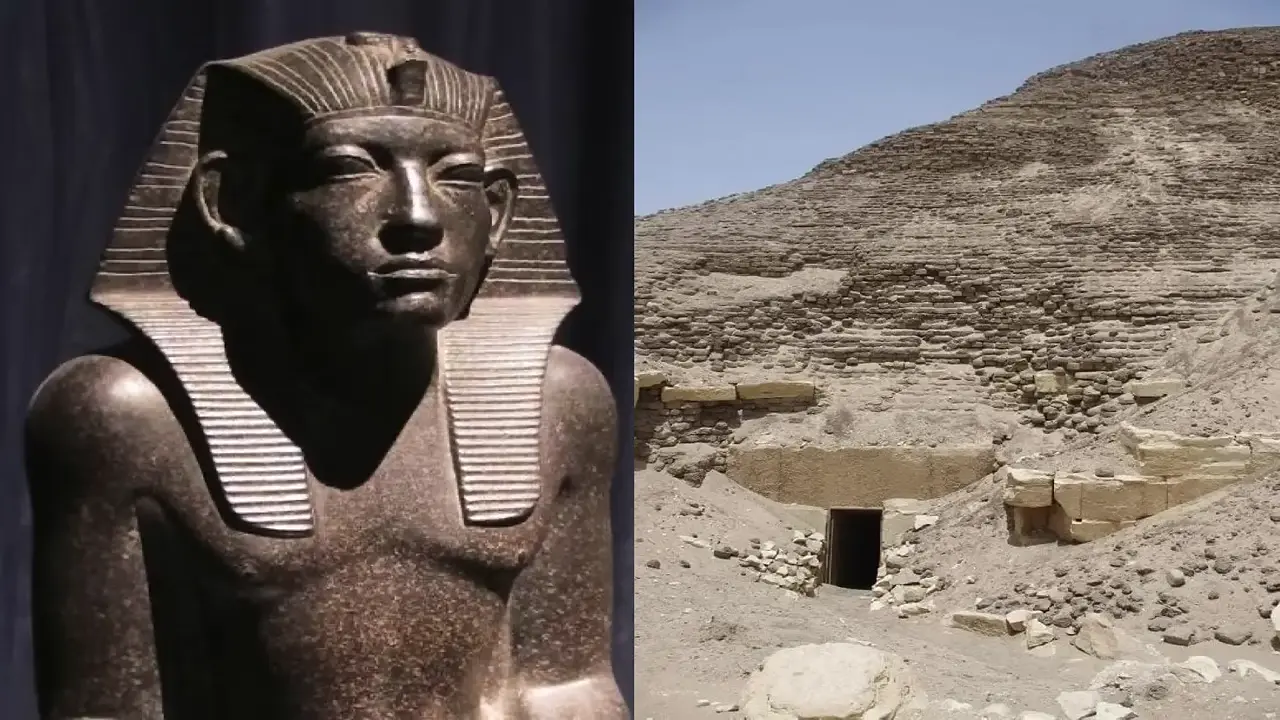
The monuments survived at least in degraded form into the 13th century, were partially damaged by treasure hunters, were progressively quarried away, and had completely vanished by the late 1600s [V10]. These monuments sit within a broader context of Herodotus’s architectural claims about the Hawara and Faiyum region, which also encompass the so-called Labyrinth associated with Senusret III’s pyramid complex.
Sources
- Princely Tomb Unearthed in Italy - Archaeology Magazine
- New Interpretation of Evidence About the History of Rapa Nui | NOVA
- Ancient DNA from Rapa Nui (Easter Island) refutes best-selling …
- Ancient DNA from Rapa Nui (Easter Island) refutes best-selling …
- Ancient DNA debunks Rapa Nui ‘ecological suicide’ theory - Nature
- Barabar Caves
- Discover Barabar Hills: India’s Ancient Rock-Cut Caves - Saffron Sight
- Martin Ferguson Smith: Supplement to Diogenes of Oenoanda, the Epicurean inscription
- Diogenes of Oinoanda. Epicureanism and Philosophical Debates …
- (J.) Hammerstaedt, (P.-M.) Morel, (R.) Güremen (edd.) Diogenes of …
- Hiawatha Impact Crater
- Younger Dryas impact hypothesis
- In Ancient Egypt, The Milky Way Was A Ladder To The Afterlife
- The Milky Way Path of Souls and Adena-Hopewell Earthworks
- House of the Tiles - Wikipedia
Videos
V1. Inside Archaeology — “What Did Archaeologists #Discover in July 2026?” V2. Michael Button — “Something Was Very Wrong With Easter Island” V3. The Cosmic Summit — “She Says Britain’s Elongated Skulls Come in Two Types” V4. Michael Button — “Archaeologists Found Something Horrifying Underground” V5. Ancient Builders Project — “MYSTERIOUS Artifacts of India That Rewrite History” V6. toldinstone — “The Most Controversial Ancient Philosophy” V7. The Cosmic Summit — “The Younger Dryas Impact Evidence Has Reached Africa” V8. Archaeologist Ed Barnhart — “Ancient Mississippian Religion Explained” V9. The Prehistory Guys — “LERNA: The Most Extraordinary Prehistoric Archaeological Site You’ve Never Heard Of.” V10. The Historian’s Craft — “How We Lost Two Pyramids”
Keep exploring
Every site on this page sits on the globe, and the people who research them are on the Discord.
3D Globe · Sites by country · Story Archive · Research Library · Weekly Journal · Search